
Experiences
CaliforniaVisiting La Jolla Cove: Sea Lions, Cormorants and Sunset
Some links earn us a commission. Disclosure
Visited April 2026Last checked What we check

Why La Jolla Cove Is Worth Stopping For
If you are planning a family trip to San Diego, La Jolla Cove should be on your list. It is free, it is accessible, and it delivers the kind of close-up wildlife encounter that you honestly do not expect to find just off a city street. We visited around sunset and came away more impressed than we anticipated.
This post covers what you will actually see, the best time to go, and the one thing that catches almost every visitor off guard: parking.
Quick Summary
- Free to visit, no admission fee
- California sea lions visible year-round on the beach and rocks
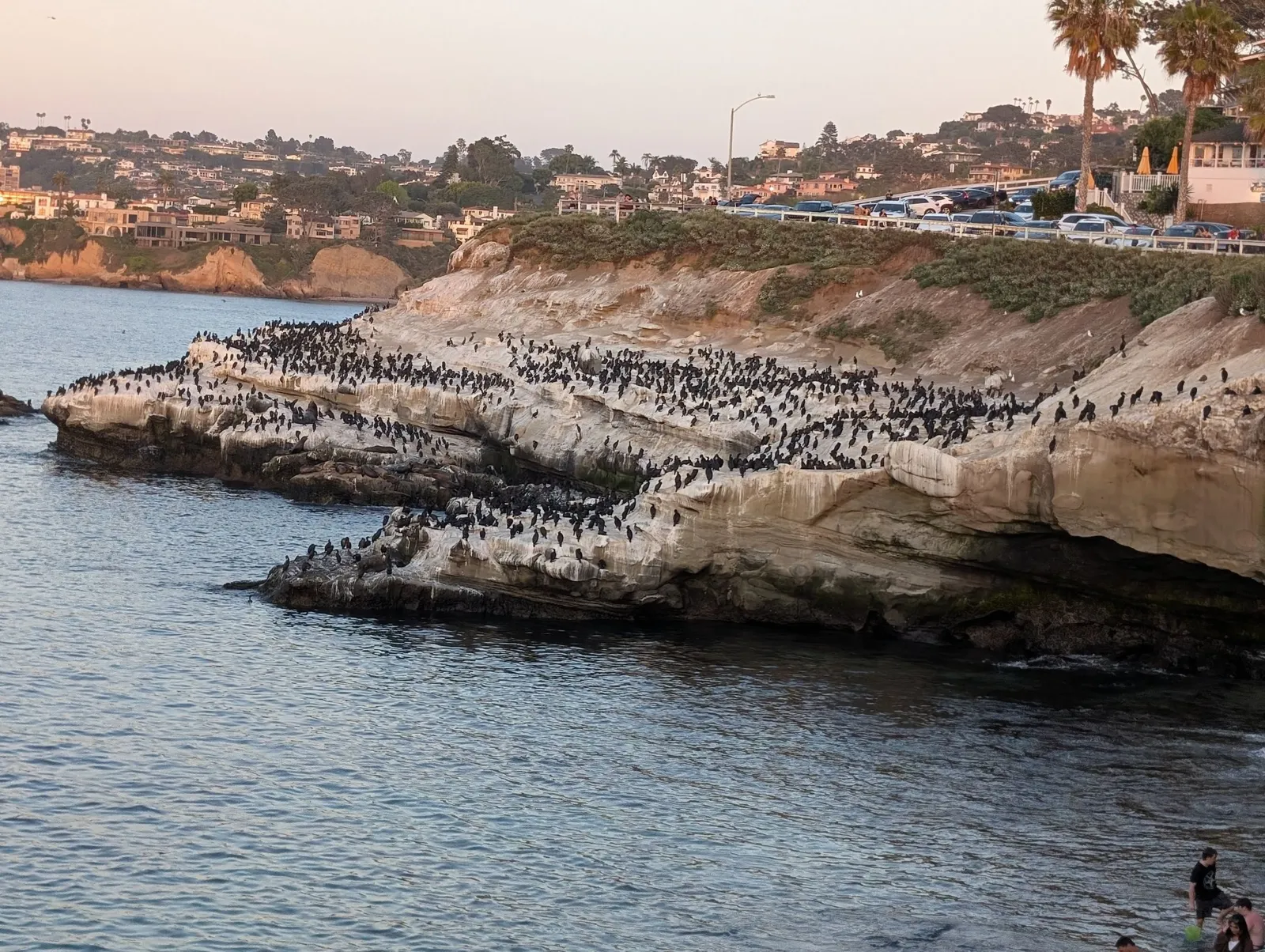
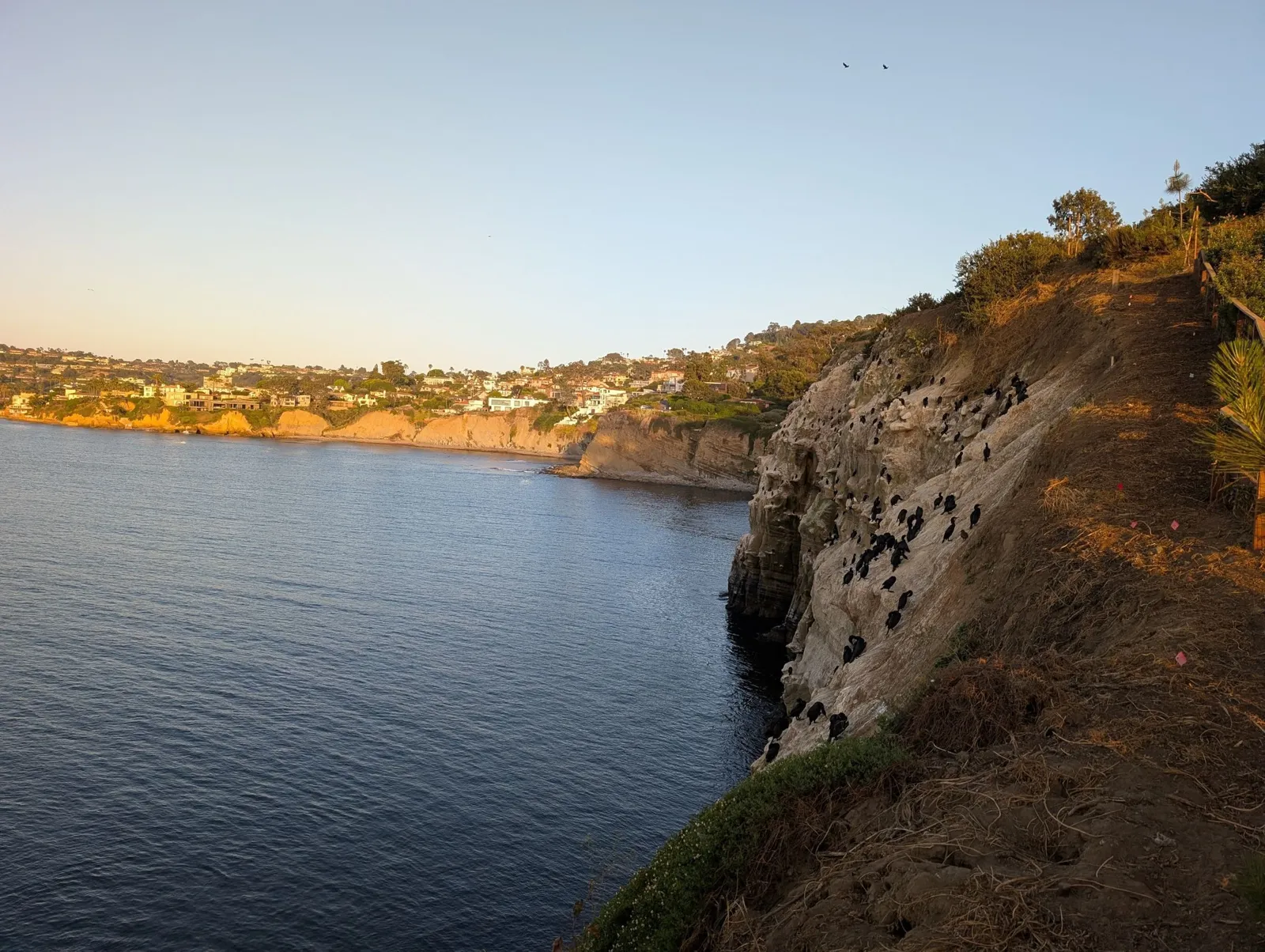
- One of the largest urban Brandt's Cormorant nesting colonies in Southern California covers the cliffs
- Brown pelicans and western gulls also present
- Sunset visits are the sweet spot, lighting is incredible and wildlife activity is high
- Parking is genuinely difficult; plan for 10 to 20 extra minutes
- Great for kids ages 5 and up, no hiking required, everything is visible from the clifftop path
What to Expect at La Jolla Cove
La Jolla Cove sits at the edge of a small protected beach surrounded by sandstone cliffs. The area is part of the San Diego-La Jolla Underwater Park, which means the marine life here has been protected for decades. That protection is obvious the moment you arrive.
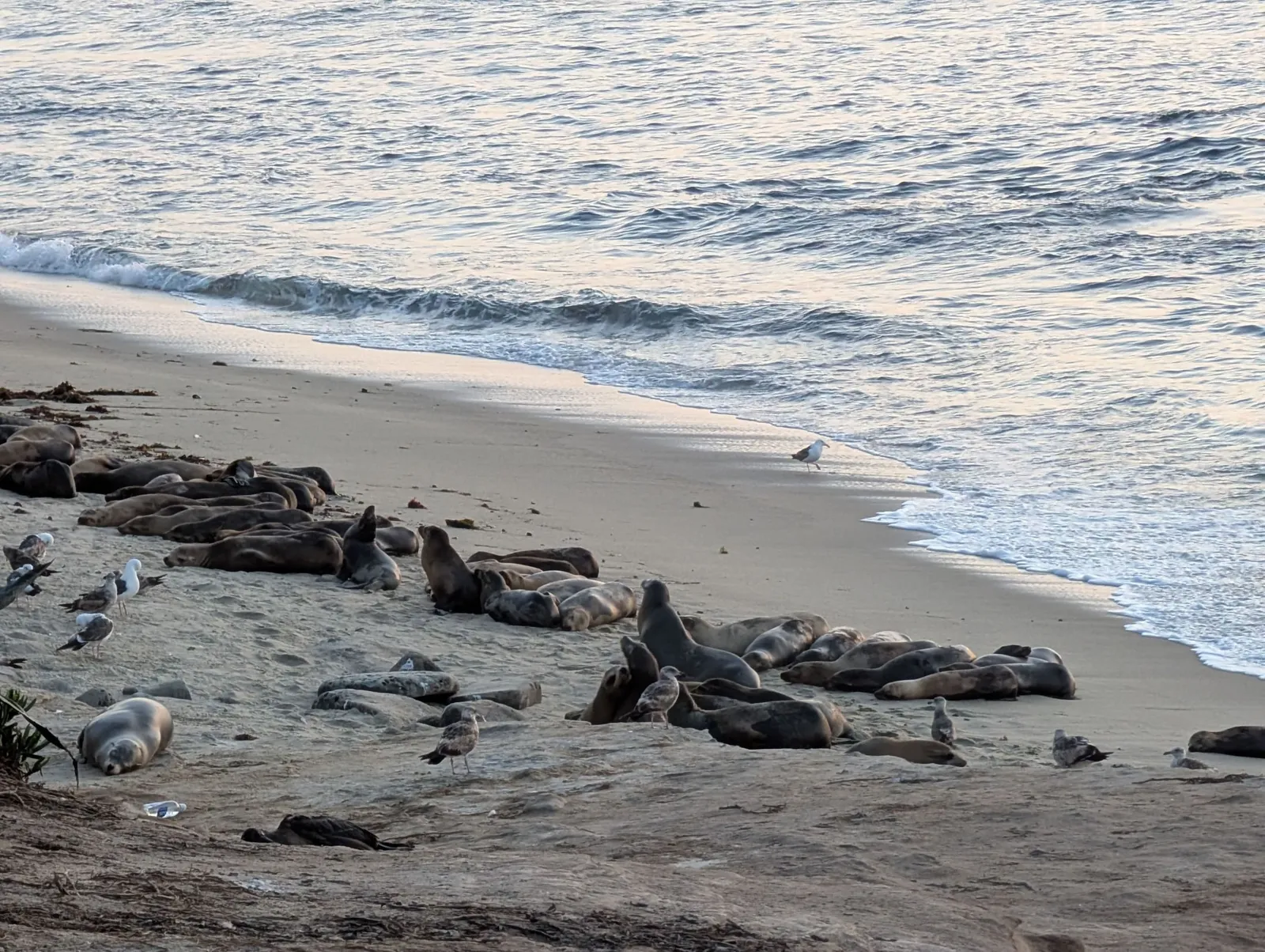
The sea lions do not seem to notice or care that people are watching from just a few feet above. They haul out on the beach and rocks to rest, which is completely normal behavior. City of San Diego informational signs posted along the walkway explain the difference between seals and sea lions, why they come ashore, and why you should absolutely not approach them.
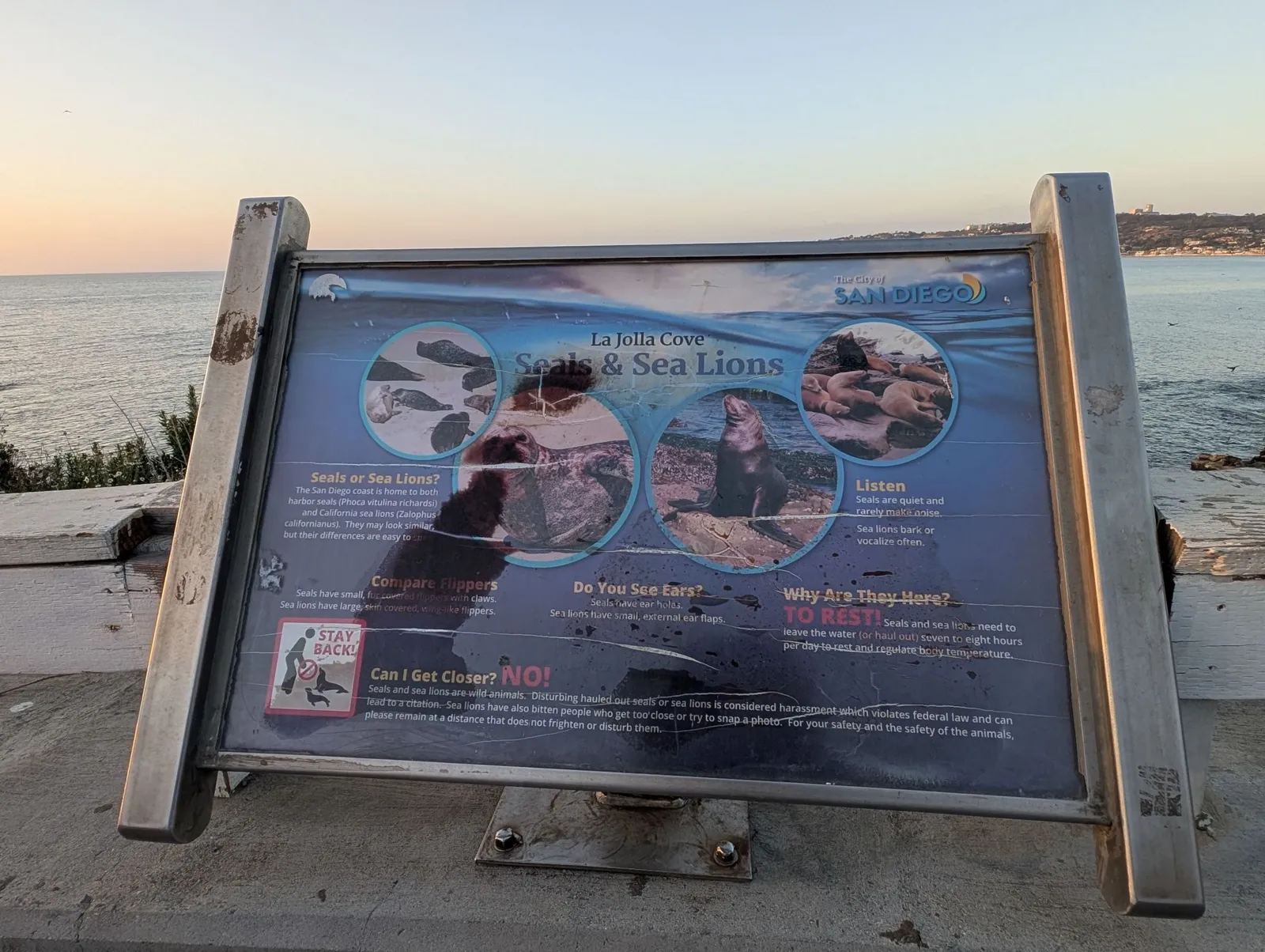
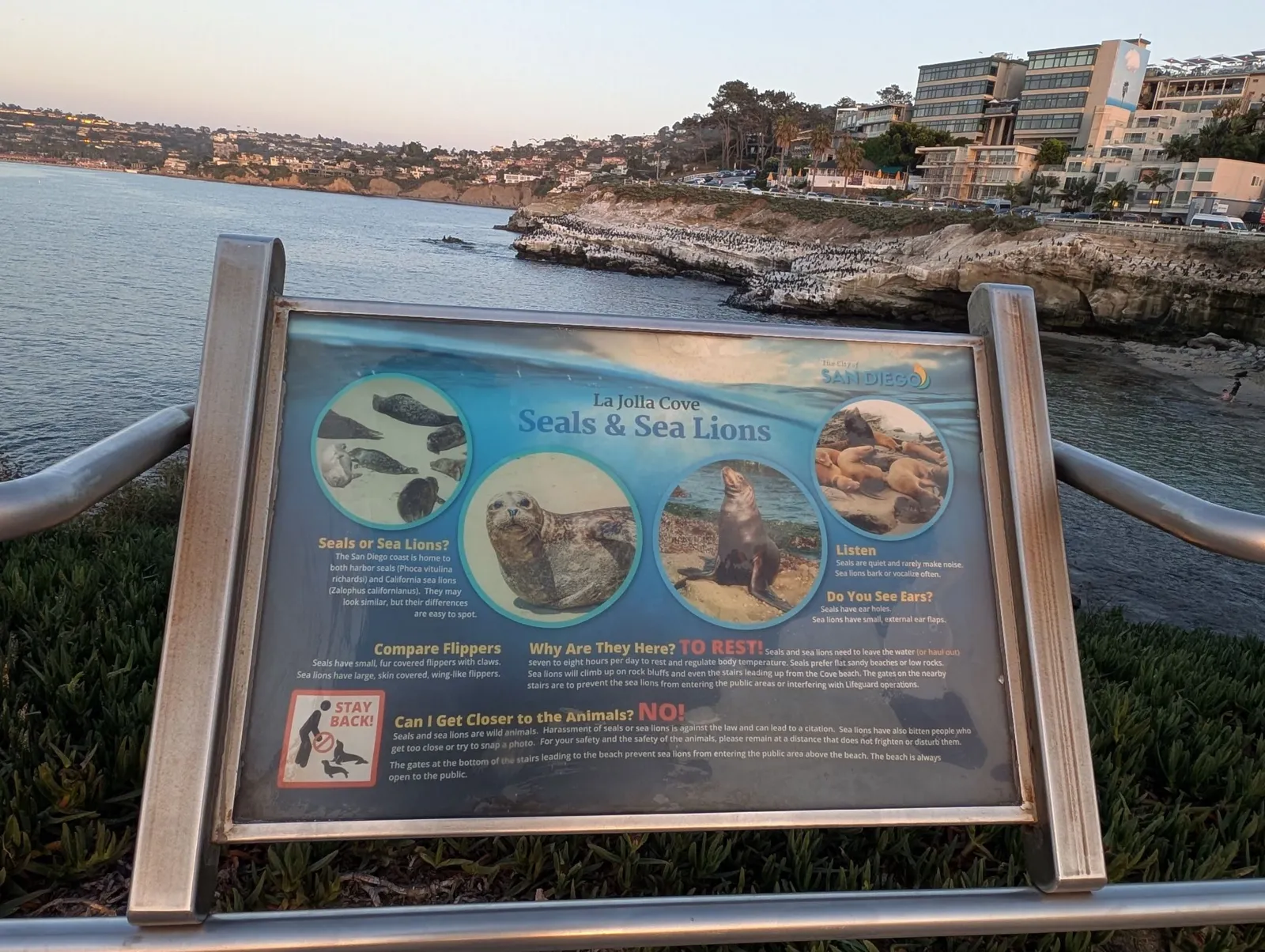
The signs are genuinely useful and our kid read through all of them without prompting, which tells you something about how engaging the whole scene is.
The Wildlife Up Close: Sea Lions, Cormorants, and Pelicans
California Sea Lions
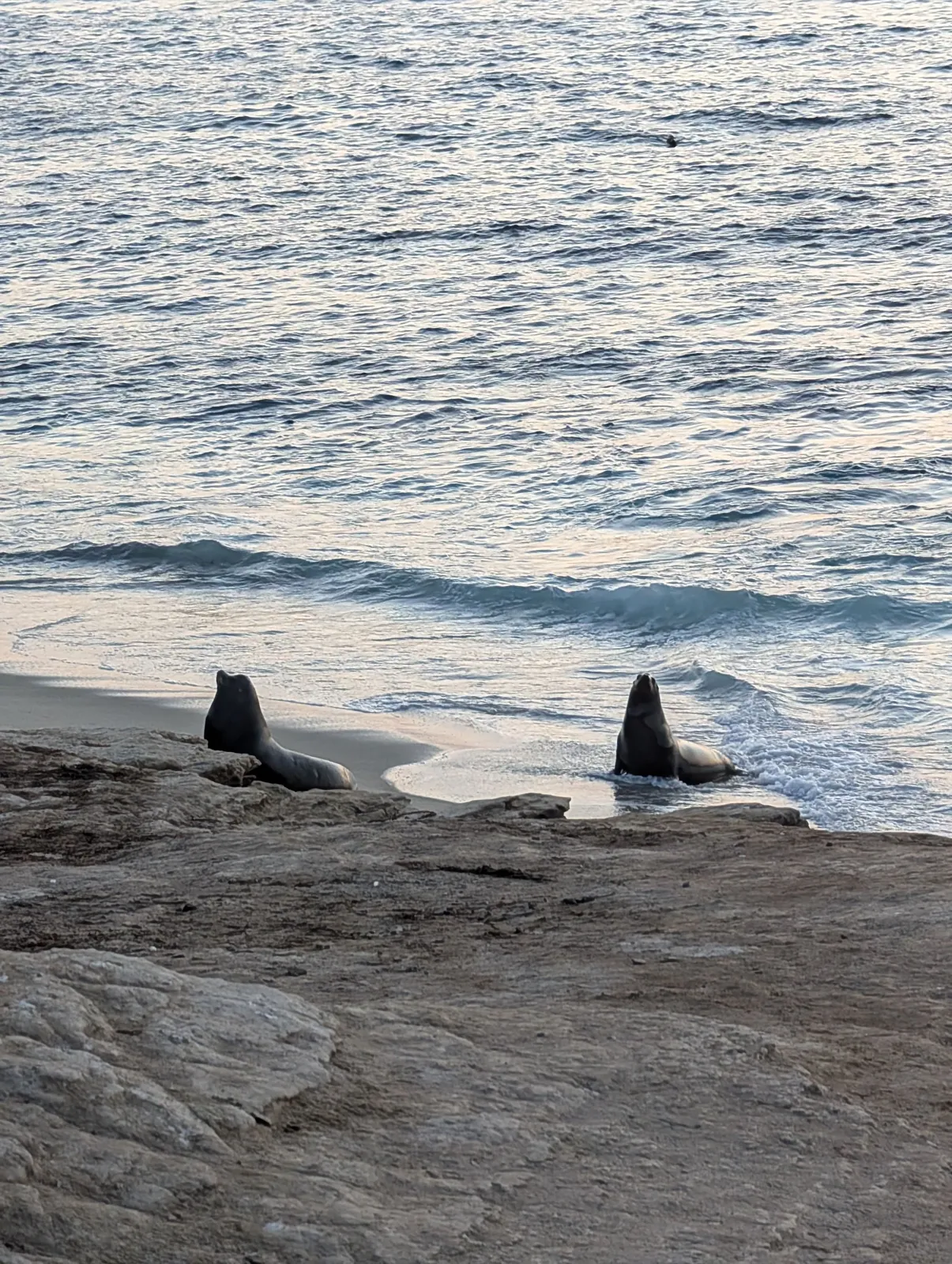
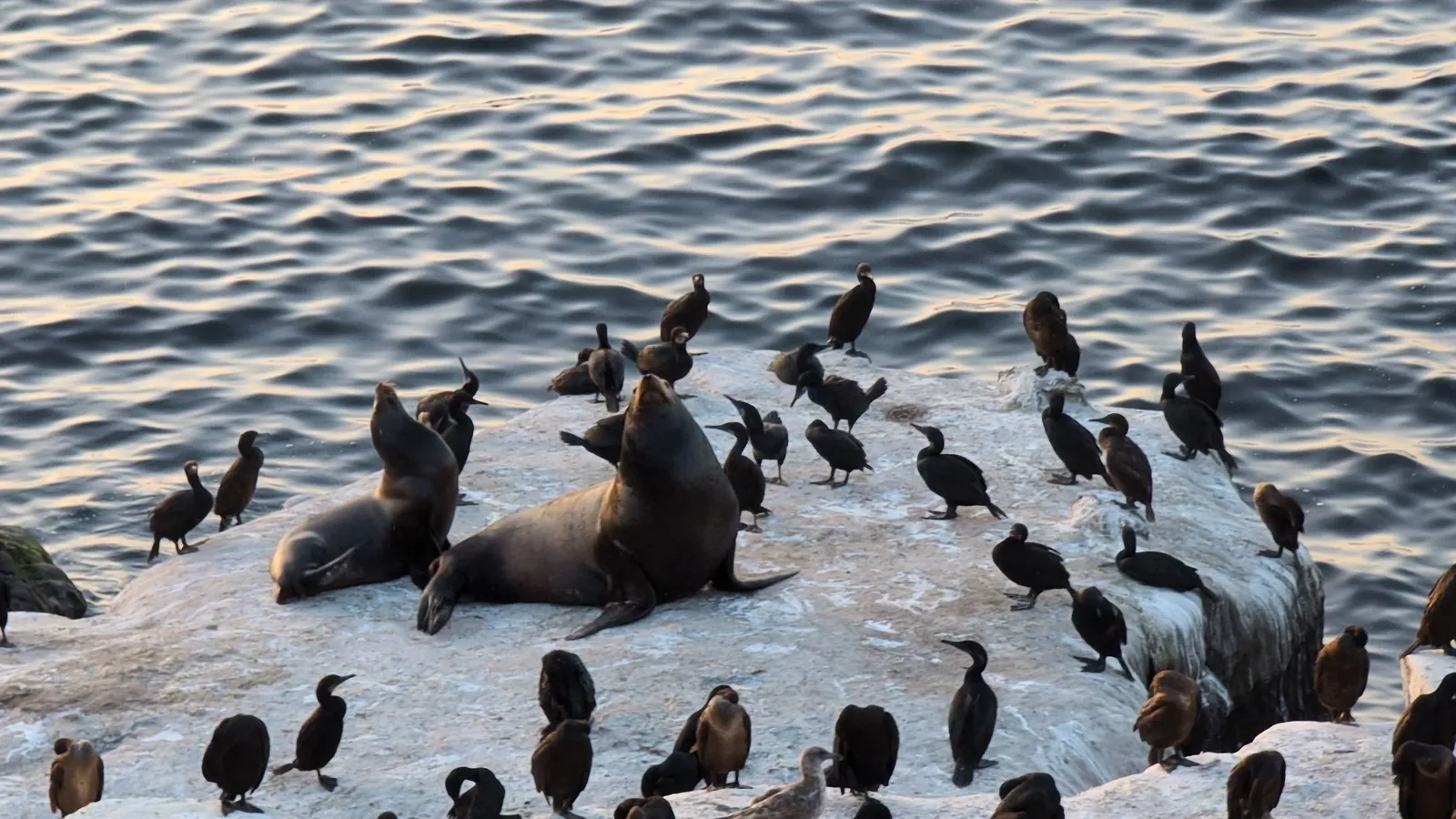
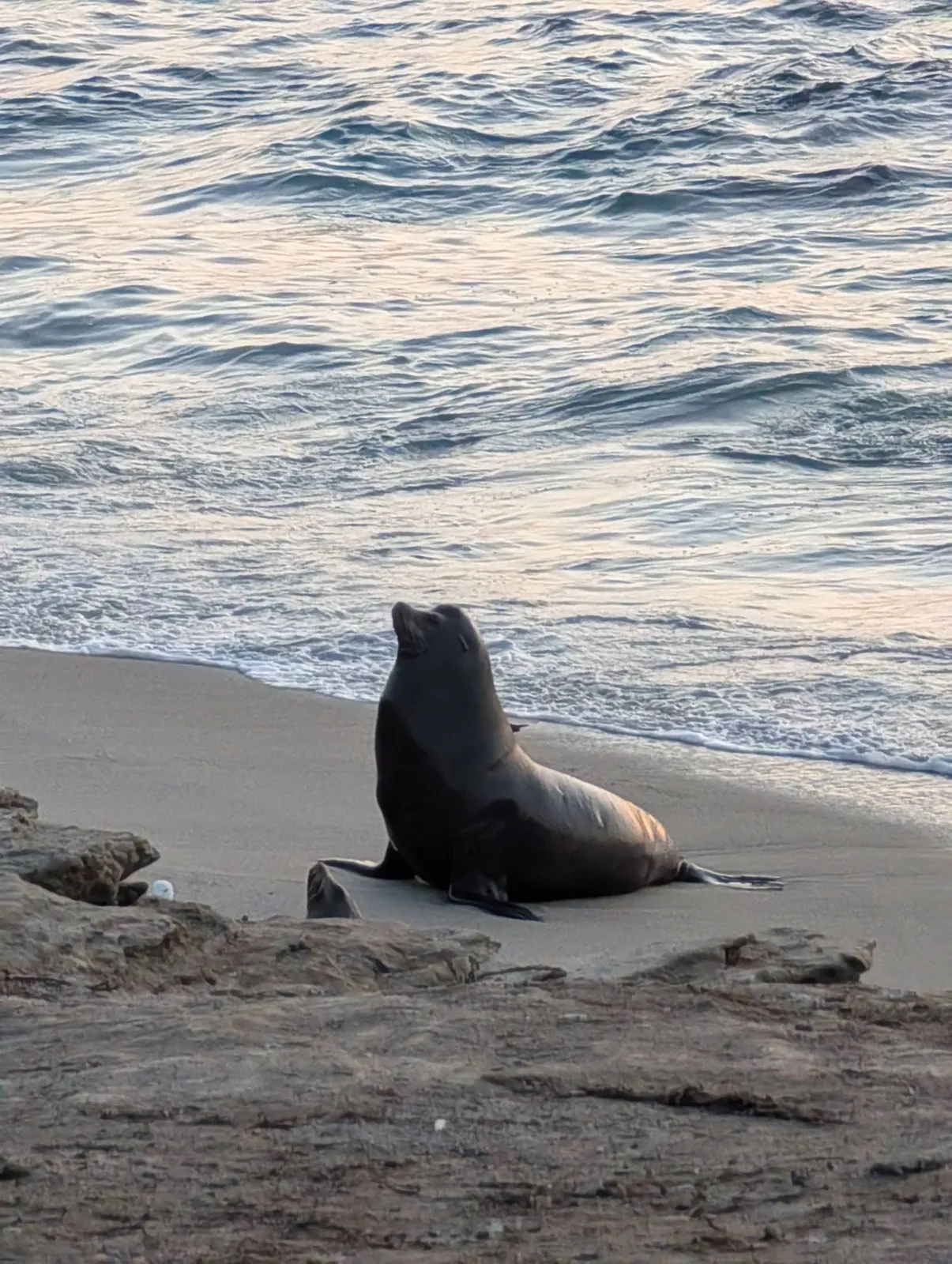
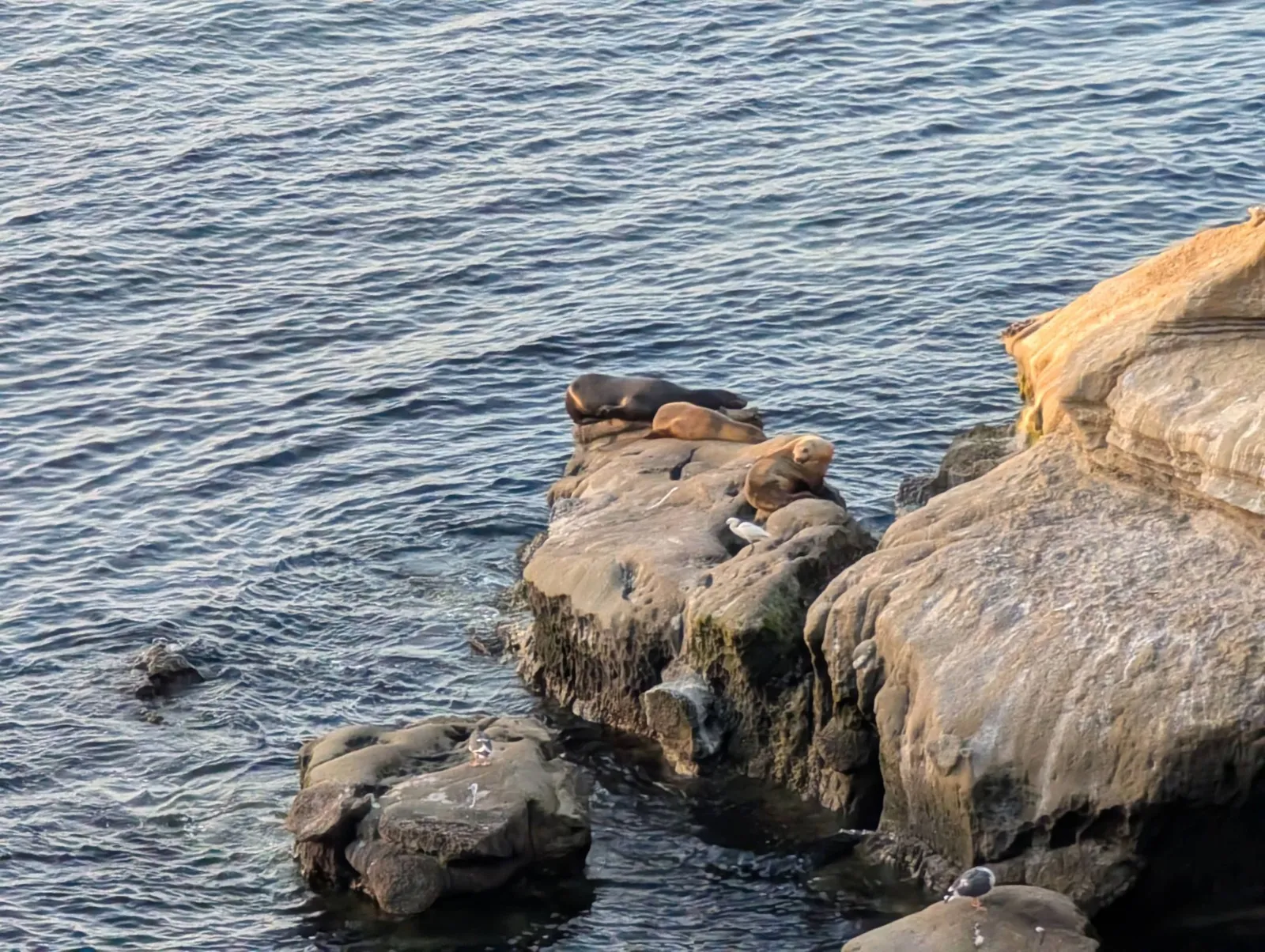
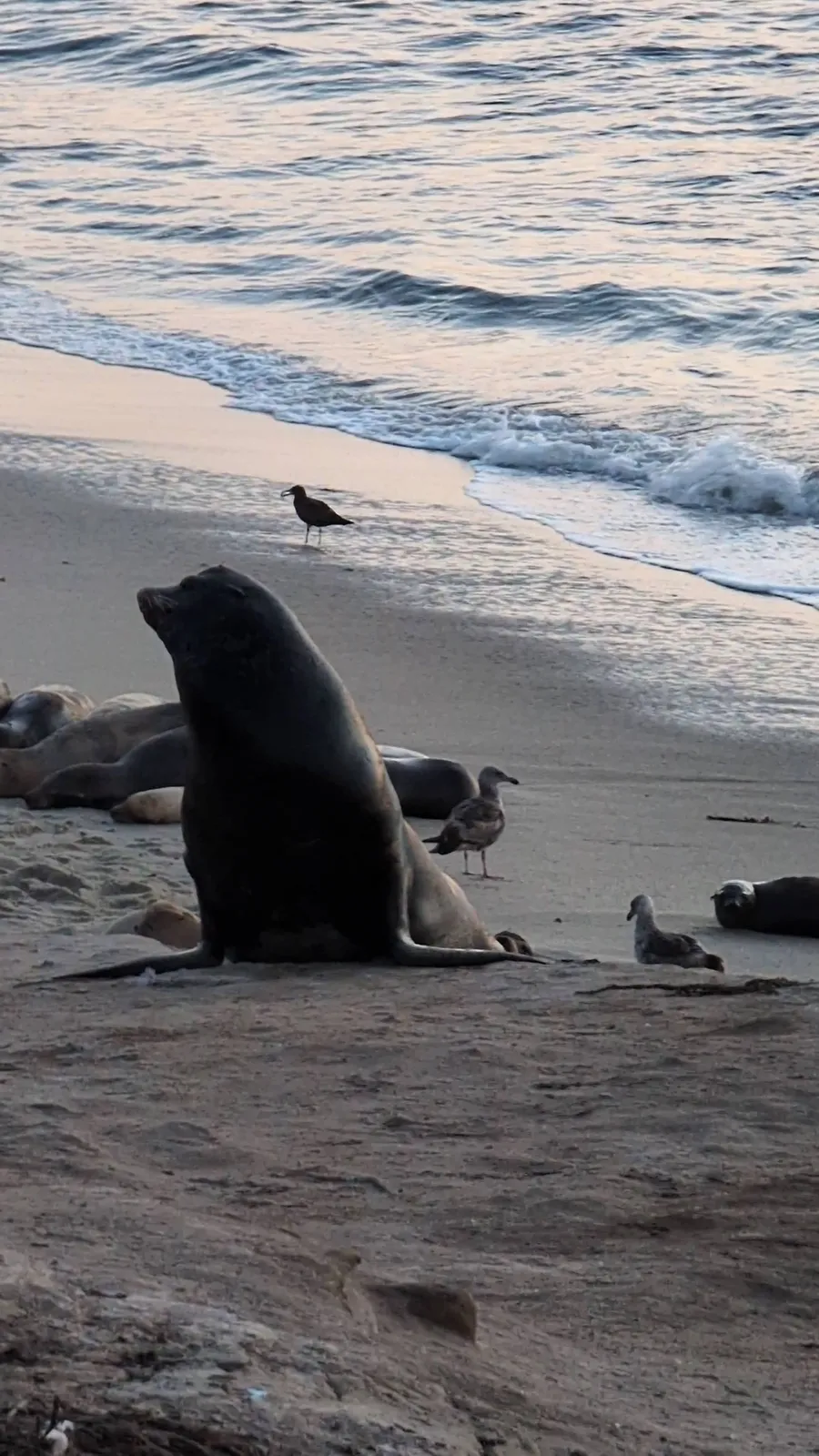
The California sea lions are the main draw for most families. You can see them hauled out on the beach below the cliffs and resting on the rocks just offshore. Some come right up to the waterline. We watched several moving in and out of the surf during our visit.
Keep a respectful distance. They are wild animals and federal law protects them under the Marine Mammal Protection Act. The signs make clear that approaching them is illegal and that sea lions have bitten people who got too close. From the clifftop walkway, you are at the right distance automatically.
Brandt's Cormorants
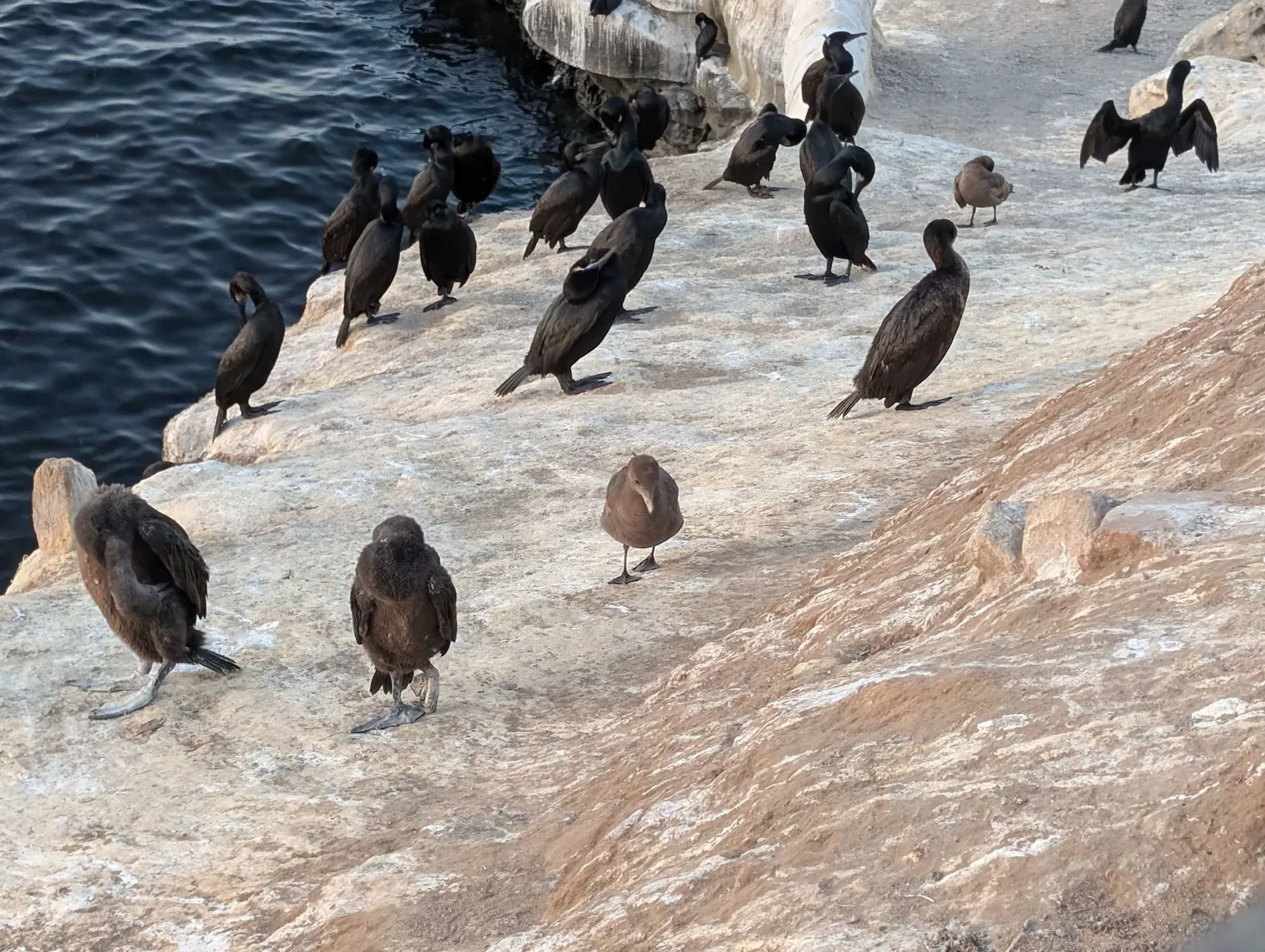
Honestly, the cormorant colony surprised us more than the sea lions did. The white sandstone cliffs are covered, and we mean covered, in Brandt's Cormorants (Nannopterum penicillatum). La Jolla Cove is home to one of the largest urban nesting colonies of this species in Southern California. During our visit there were hundreds of birds packed onto the cliff face and the flat rocks below.
Up close, you can see them drying their wings, preening, and jostling for position. They are striking birds with iridescent dark feathers and bright blue throat pouches during breeding season.
Brown Pelicans and Western Gulls
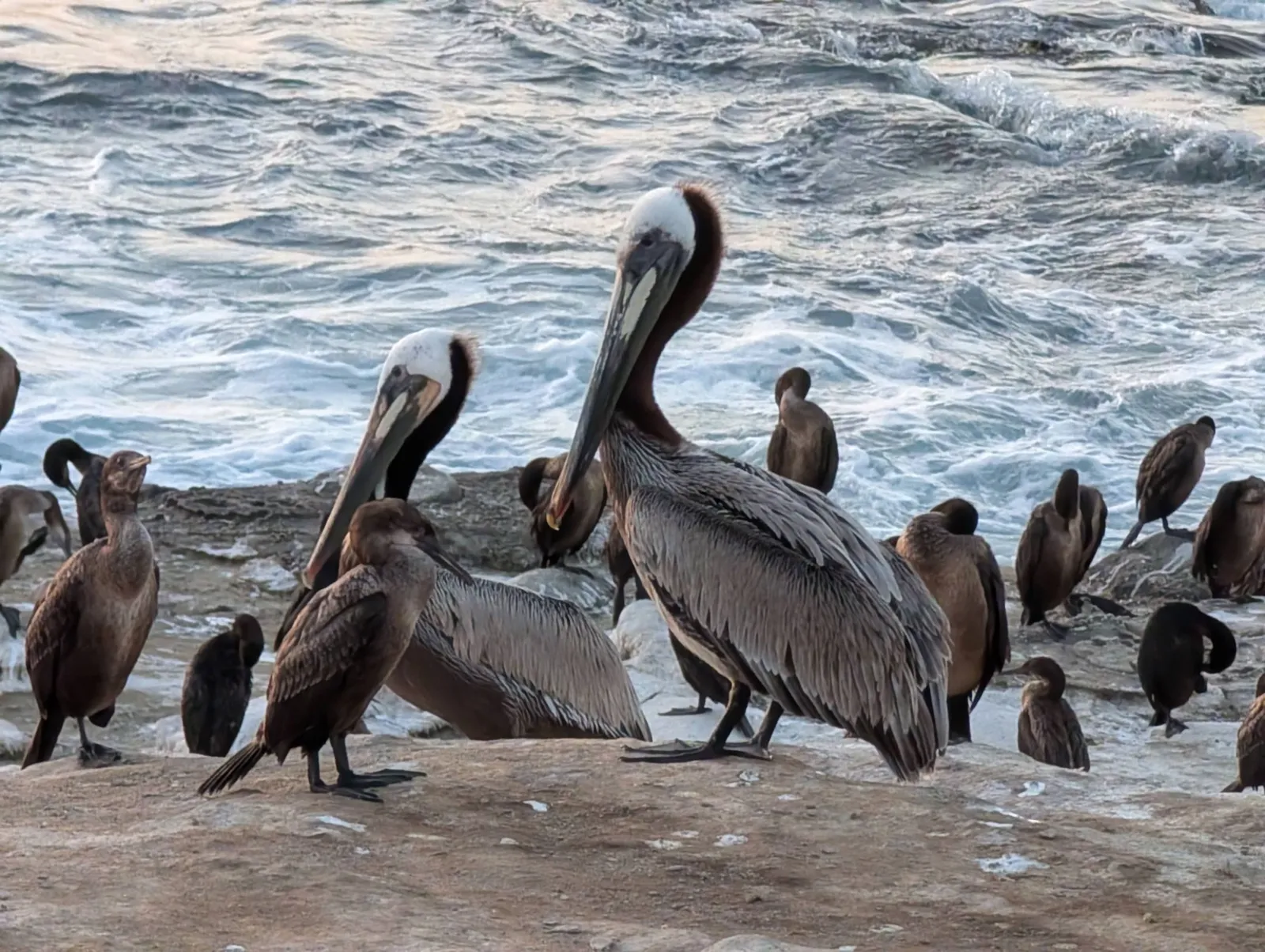
Brown pelicans (Pelecanus occidentalis) share the rocks with the cormorants and sea lions. They are hard to miss, large birds with the distinctive long pouched bill. Western gulls (Larus occidentalis) are present throughout the area, wandering the beach and waterline alongside the sea lions.
The Best Time to Visit La Jolla Cove
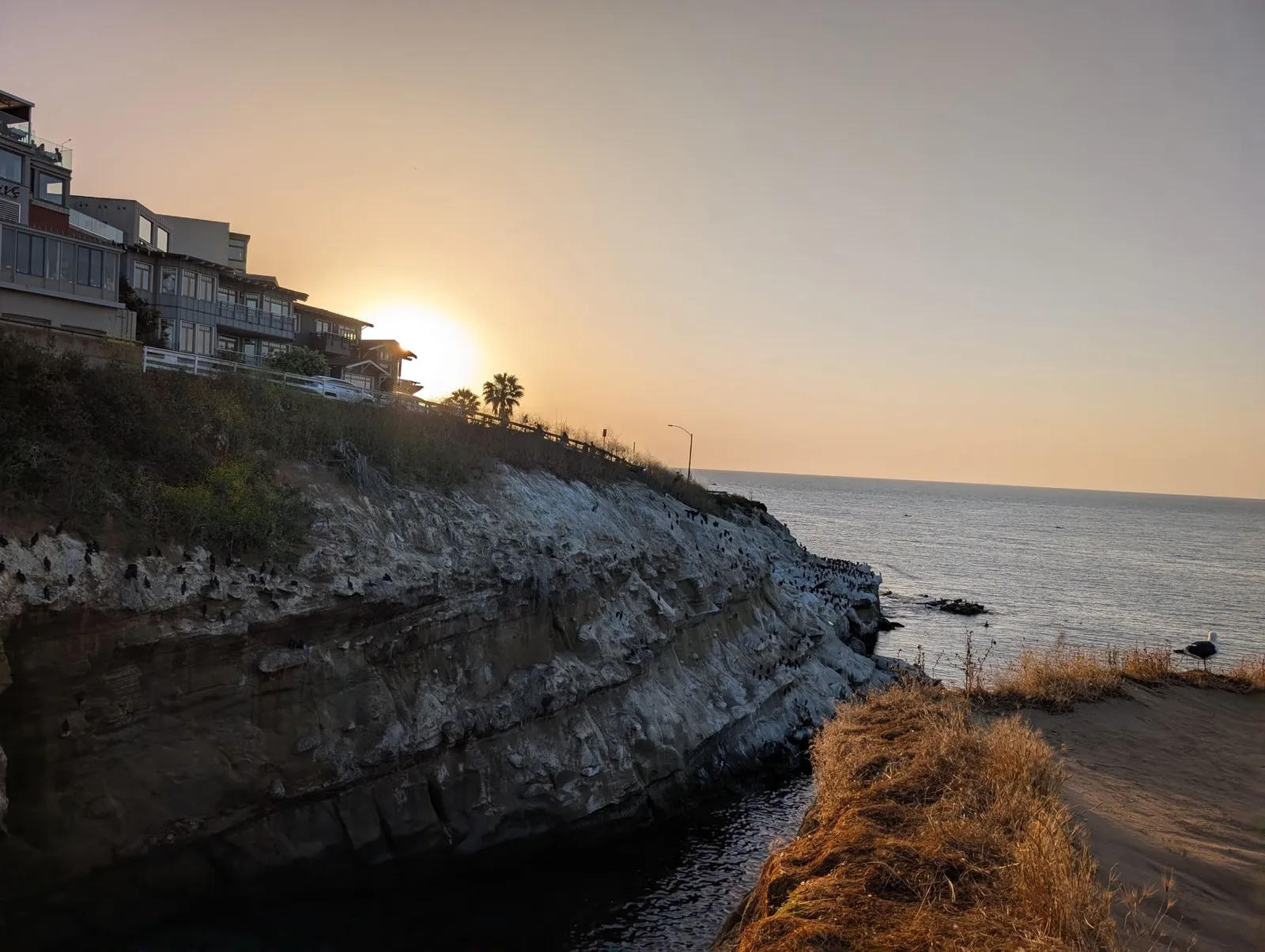
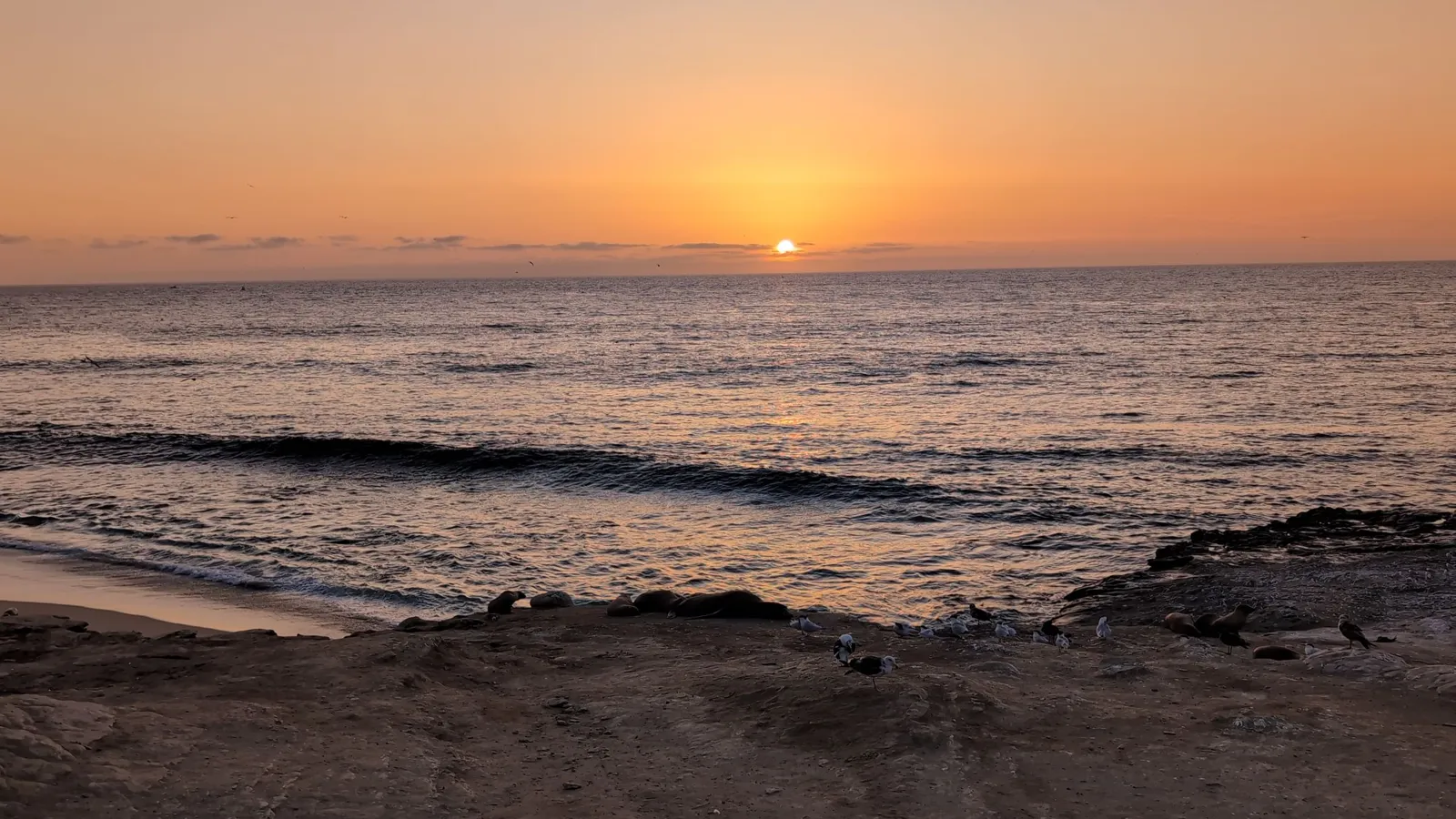
Go at sunset. We cannot stress this enough. The light on the cliffs and water during the last hour before dark is genuinely beautiful, and the wildlife activity seems to peak as the day winds down. The sea lions are active, the birds are settling in for the evening, and the whole scene feels alive in a way that midday visits probably do not match.
The sunset views from the cliffs looking west over the Pacific are worth staying for on their own. We watched the sun drop into the water and the sky turn deep orange. Our kid was completely locked in the whole time, which is the highest possible endorsement.

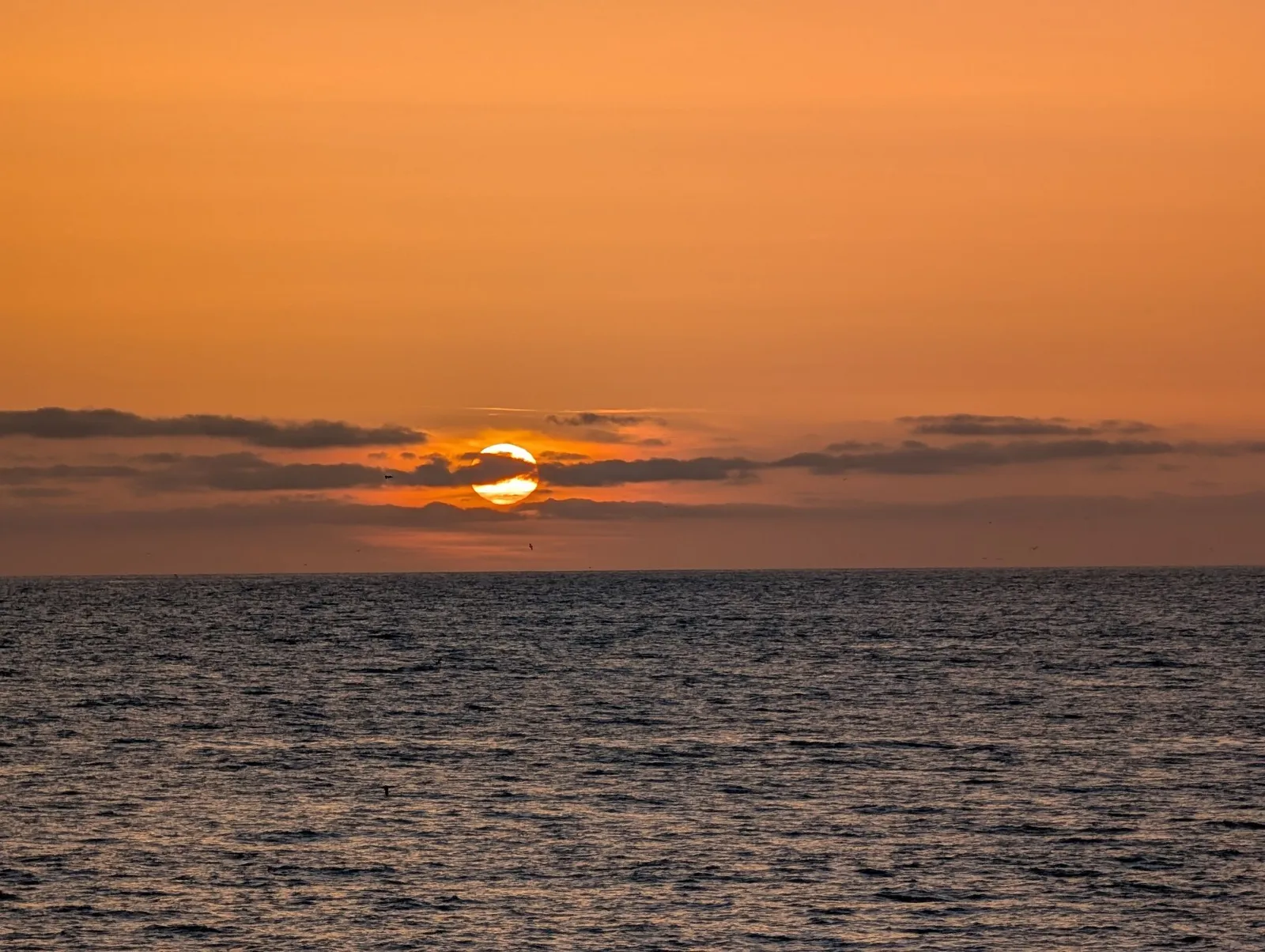
One practical note: if you time your visit for sunset, you will be there when a lot of other people have the same idea. It is a popular spot. Weekdays are noticeably less crowded than weekends.
Parking at La Jolla Cove: What You Need to Know
This is the part most travel guides gloss over, so we are going to be direct with you: parking at La Jolla Cove is hard, especially around sunset.
Here is how we handled it:
- Coast Walk parking lot: There is a lot right near the cove. It is public parking but runs around $40. If you are planning a longer visit, it may make sense. We pulled in and pulled right back out because we were not planning to stay that long.
- Parking in front of the Cave Store: There are a handful of spots on the street in front of the Cave Store on Cave Street. We got lucky and grabbed one as another car was leaving. It is worth a slow pass before committing to a lot.
- Coast Boulevard street parking: If you do not find anything near the cove, drive along Coast Boulevard. There is street parking scattered along the road. You may need to loop a few times depending on when you arrive.
Budget extra time for parking. If you arrive 15 to 20 minutes before you want to start watching, you will not be stressed about it.
If you have more time in the area, there are restaurants within walking distance once you have parked. It is a nice setup for a sunset dinner after the wildlife watching.
Practical Details
- Address: La Jolla Cove, 1100 Coast Blvd, La Jolla, CA 92037
- Cost: Free to visit
- Best time: The hour before sunset
- Time needed: 45 minutes to 1.5 hours
- Kid suitability: Great for ages 5 and up. No hiking required. The clifftop path is paved and easy to walk.
- Restrooms: Available near the beach area
- Parking: Paid lot nearby (~$40), limited street spots on Cave Street, additional street parking on Coast Boulevard
- Crowds: Busy at sunset and on weekends; plan accordingly
Tips for Visiting La Jolla Cove
- Read the informational signs together, they are engaging and give kids real context for what they are seeing
- Bring binoculars if you have them; the close-up views of the cormorant colony are impressive, and binoculars make them even better
- Wear layers, it cools down quickly once the sun drops, especially near the water
- Do not let kids run toward the beach or the water's edge near the sea lions; the descent is steep and the animals are protected
- Children's Pool, south of the cove along the coast walk, closes to beach access from December 15 to May 15 each year for harbor seal pupping
- Stay on the designated paths, the cliffs are eroded and some areas are fenced off for good reason
- Go on a weekday if your schedule allows
- For a closer look at the sea caves, kayak and snorkel tours
 run from La Jolla Shores; check the age limits if you have younger kids
Frequently Asked Questions
Is La Jolla Cove free?
Yes, visiting the cove and walking the cliffs is free. Parking is the cost to account for, paid lots run around $40, but street parking is available if you are patient.
Can kids get close to the sea lions at La Jolla Cove?
The clifftop walkway puts you very close to the action. You can see the sea lions clearly without any effort. Getting down to the beach near them is not allowed, it is against federal law to approach or disturb marine mammals, and the city posts clear signs explaining this.
What birds are at La Jolla Cove?
La Jolla Cove is home to one of the largest urban Brandt's Cormorant nesting colonies in Southern California. You will also see brown pelicans and western gulls. The sheer number of cormorants on the cliffs is genuinely impressive and worth looking for even if you came just for the sea lions.
What time should I visit La Jolla Cove?
The hour before sunset is the best time. The light is beautiful, the wildlife is active, and the sunset view over the Pacific is hard to beat. Arrive early enough to deal with parking without feeling rushed.
How long should I plan for La Jolla Cove?
For most families, 45 minutes to an hour is plenty to walk the cliffs, watch the wildlife, and catch the sunset. Add more time if you plan to explore the tide pools or grab dinner nearby.
Is La Jolla Cove good for young kids?
Yes. There is no significant hiking and the path is paved. The wildlife is visible without any effort, which keeps younger kids engaged. We would call it appropriate for ages 5 and up without hesitation. Just keep an eye on little ones near the cliff edges.
The Bottom Line
La Jolla Cove is one of those stops that earns its place on a San Diego itinerary without much debate. It is free, genuinely impressive, and takes less than two hours. The combination of sea lions on the beach, one of the largest urban cormorant colonies in the state, and a Pacific sunset in the same visit is hard to match anywhere else in Southern California.
If you are building out a San Diego trip, look at hotels in La Jolla or the broader San Diego area. Staying in La Jolla puts you close to the cove and within easy reach of the rest of the city. Book early if you are visiting during spring or summer; it fills up fast.
Keep Planning
Checked and current
We were there in April 2026. Last checked November 21, 2026. Each month we re-check prices, opening hours and seasons, reservation rules, closures and links. Our own experience stays as it happened; when a fact has changed since our visit, we add a dated note next to it. How we keep it current
Spot something out of date? Email hello@wiztrip.com and we'll check it.