
Sri Lanka's Cultural Triangle is the area between Anuradhapura, Polonnaruwa and Kandy, and it holds most of the country's ancient cities, rock temples and royal ruins. On our trip we covered the Sri Lanka Cultural Triangle on a road trip from Colombo with a private driver: the elephants at Pinnawala, the climb up Sigiriya Rock, the ruins of Polonnaruwa and the cave temples at Dambulla.
We split it into two legs, with three nights in Pasikudah on the east coast in the middle. This post covers the Cultural Triangle stops, where we stayed and how we handled food with our son's allergies. Our south coast and hill country road trip covers the other half of the country, and our Colombo travel guide covers our home base. For how it all fits together, see our full Sri Lanka itinerary.
Quick Summary
- Route: Colombo, Pinnawala, Sigiriya, Polonnaruwa, Pasikudah, Minneriya, Dambulla and back to Colombo.
- Highlight: climbing Sigiriya Rock, the highlight of our whole trip.
- Where we stayed: Sigiriya Jungles (two nights, full board) and Jetwing Lake in Dambulla (one night, half board).
- Guides: we did not hire one anywhere. The sites have good signage, and our driver explained a few things at Polonnaruwa.
- Tickets: Sigiriya and Polonnaruwa are priced in US dollars for foreign visitors. Locals pay a much lower rupee rate.
- Watch out for: heat, crowds and very bold monkeys at Sigiriya.
- Food allergies: both hotels handled our son's allergies well.
Our Sri Lanka Cultural Triangle Route at a Glance
| Day | Route | Main stops | Overnight |
|---|---|---|---|
| Day 1 | Colombo to Sigiriya | Pinnawala Elephant Orphanage, wild elephant by the road | Sigiriya Jungles |
| Day 2 | Sigiriya | Sigiriya Rock climb, afternoon at the hotel | Sigiriya Jungles |
| Day 3 | Sigiriya to Pasikudah | Parakrama Samudra, Polonnaruwa Ancient City | Pasikudah (3 nights) |
| Day 4 | Pasikudah to Dambulla | Minneriya grasslands from the road, Dambulla Cave Temple | Jetwing Lake |
| Day 5 | Dambulla to Colombo | Back to Colombo, partly on the Central Expressway | Colombo |
Getting Around: Our Driver
Like the rest of our trip outside Colombo, we used a private driver, Nilantha Chandimal. He is safe, friendly and knows the Cultural Triangle well, and we would book him again. You can reach him on WhatsApp at +94 77 386 0045.
- At Sigiriya, he waited with the car while we climbed.
- At Polonnaruwa, he walked the site with us and explained some of the history, which was a nice bonus.
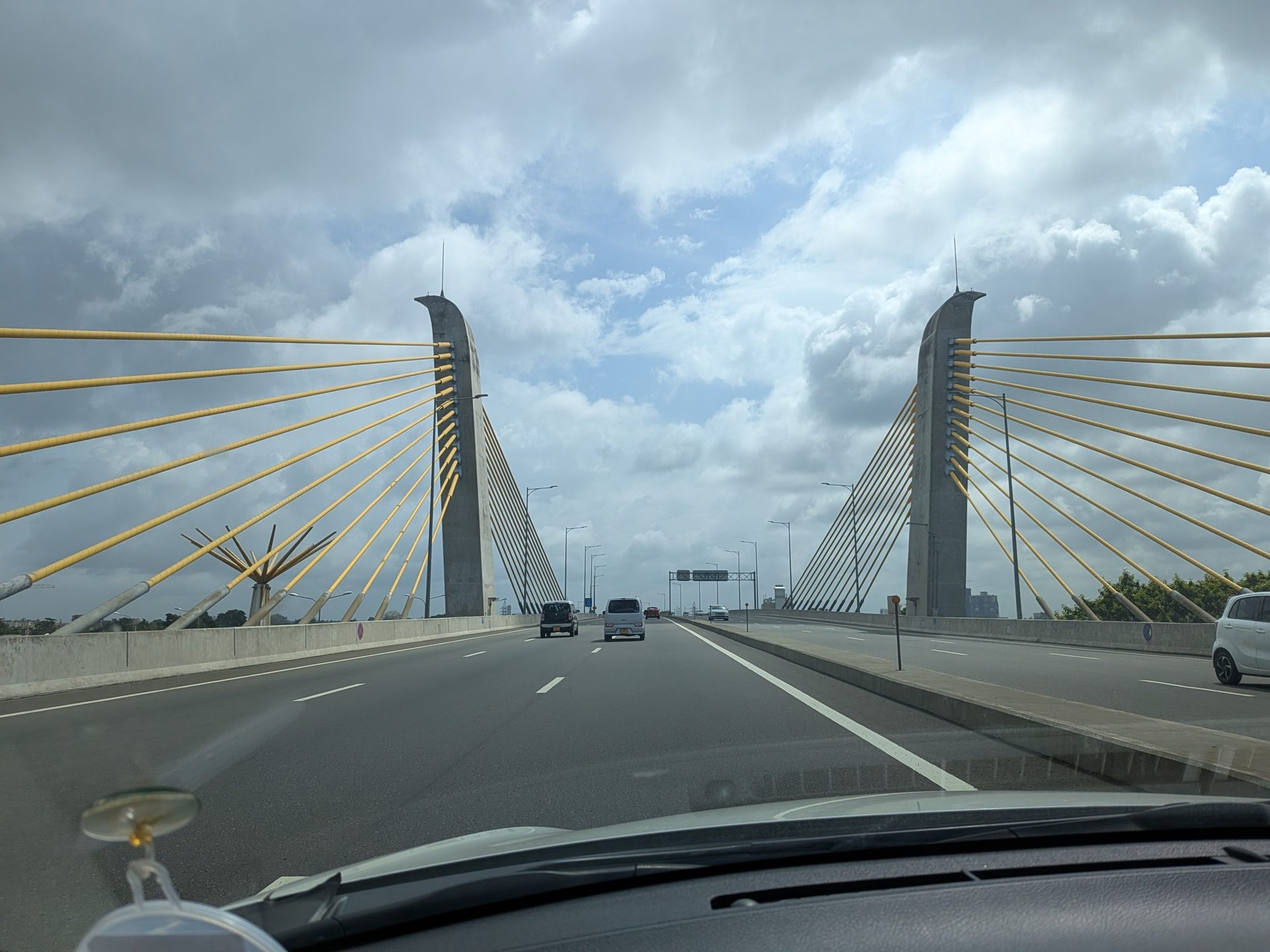
- Distances are short but slow. The open section of the Central Expressway (Mirigama to Kurunegala) speeds up the middle of the drive from Colombo, but most of the Cultural Triangle is on two-lane roads.
Day 1: Pinnawala Elephant Orphanage
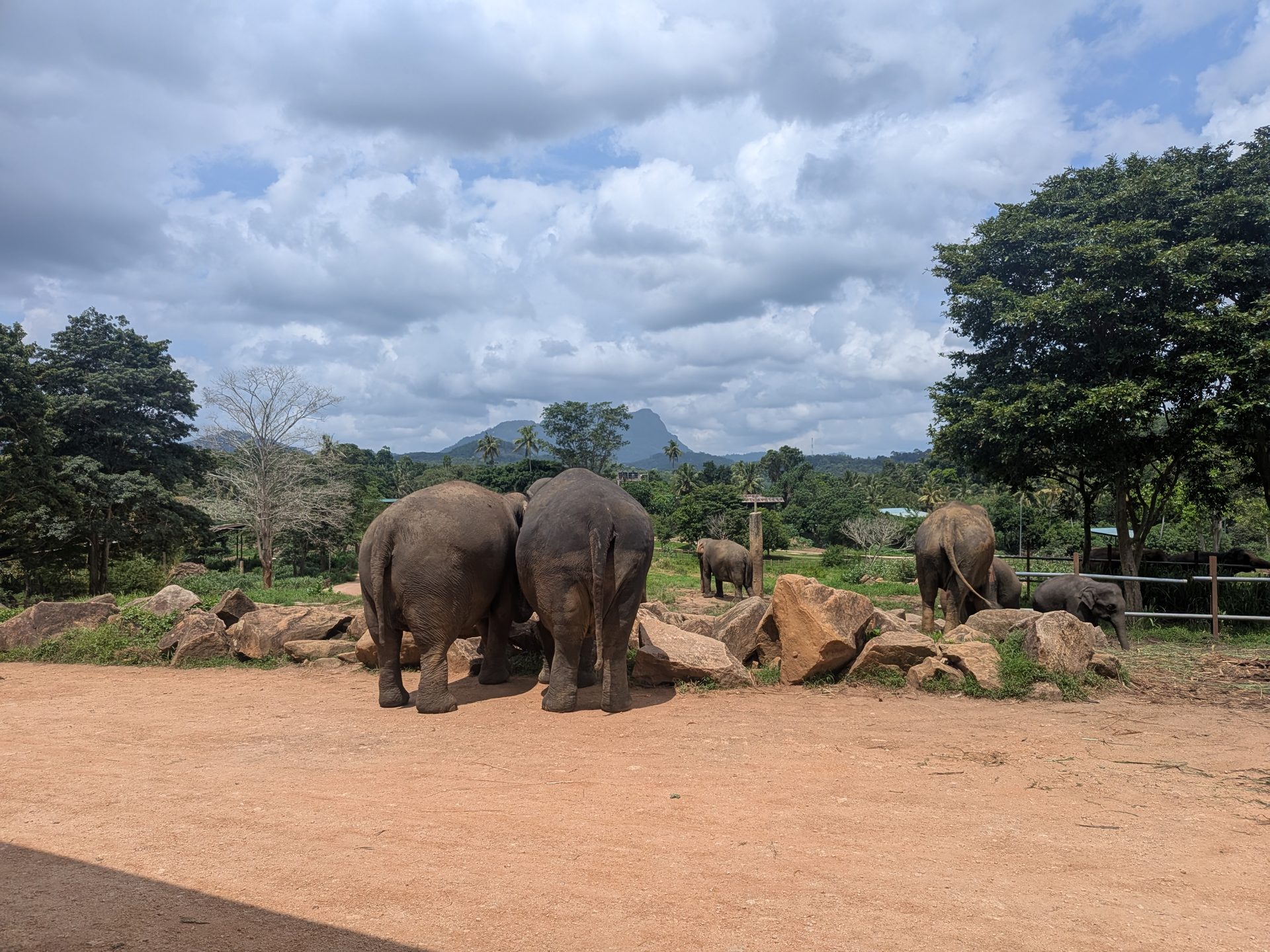
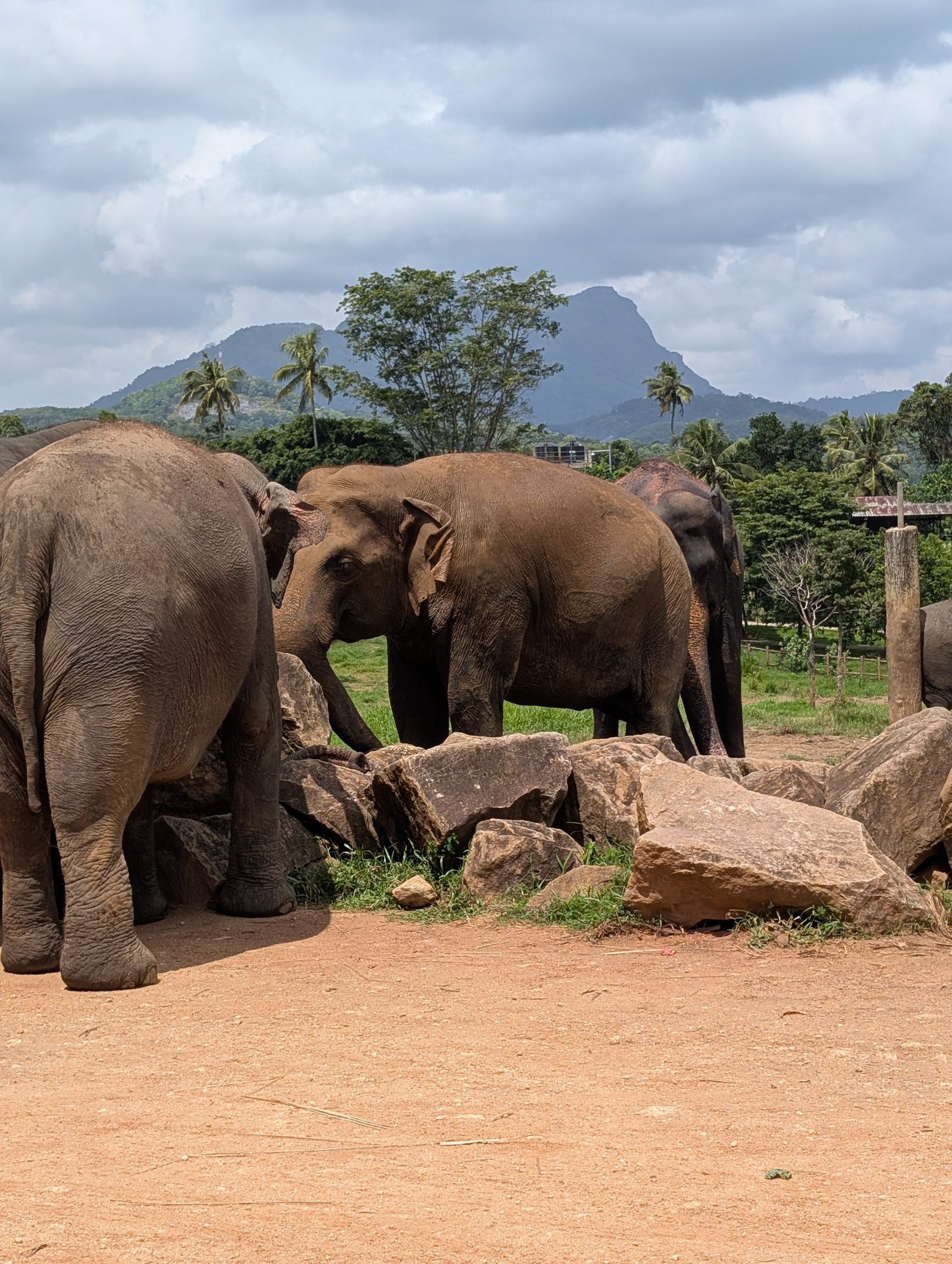
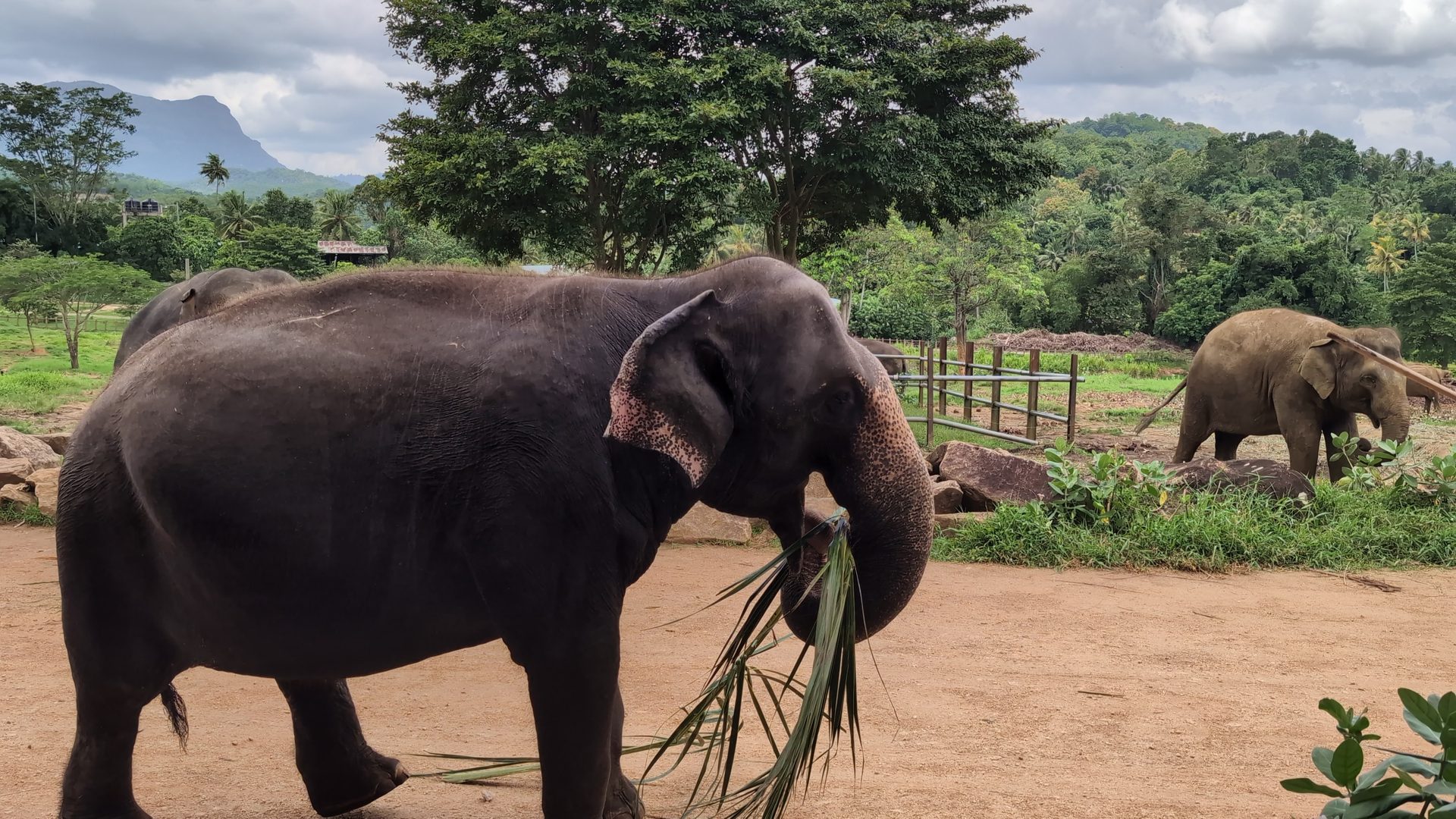
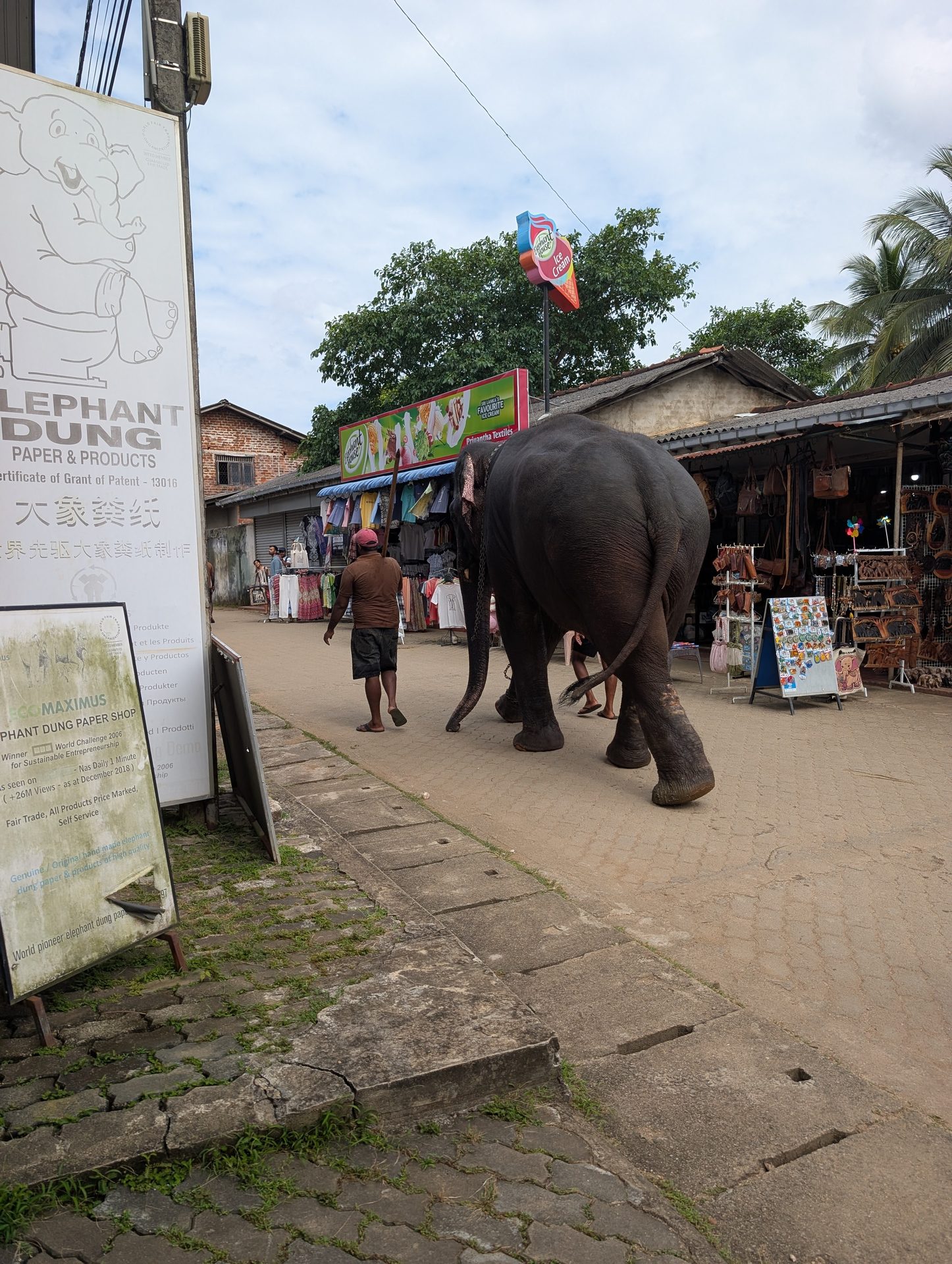
Pinnawala sits between Colombo and Kandy, so it is an easy stop on the way to Sigiriya. The Sri Lankan government set it up in 1975 to care for orphaned and injured wild elephants, and today the herd is around 65 elephants. It was really cool to see so many elephants together, especially when the whole herd walks down the main street to bathe in the river.
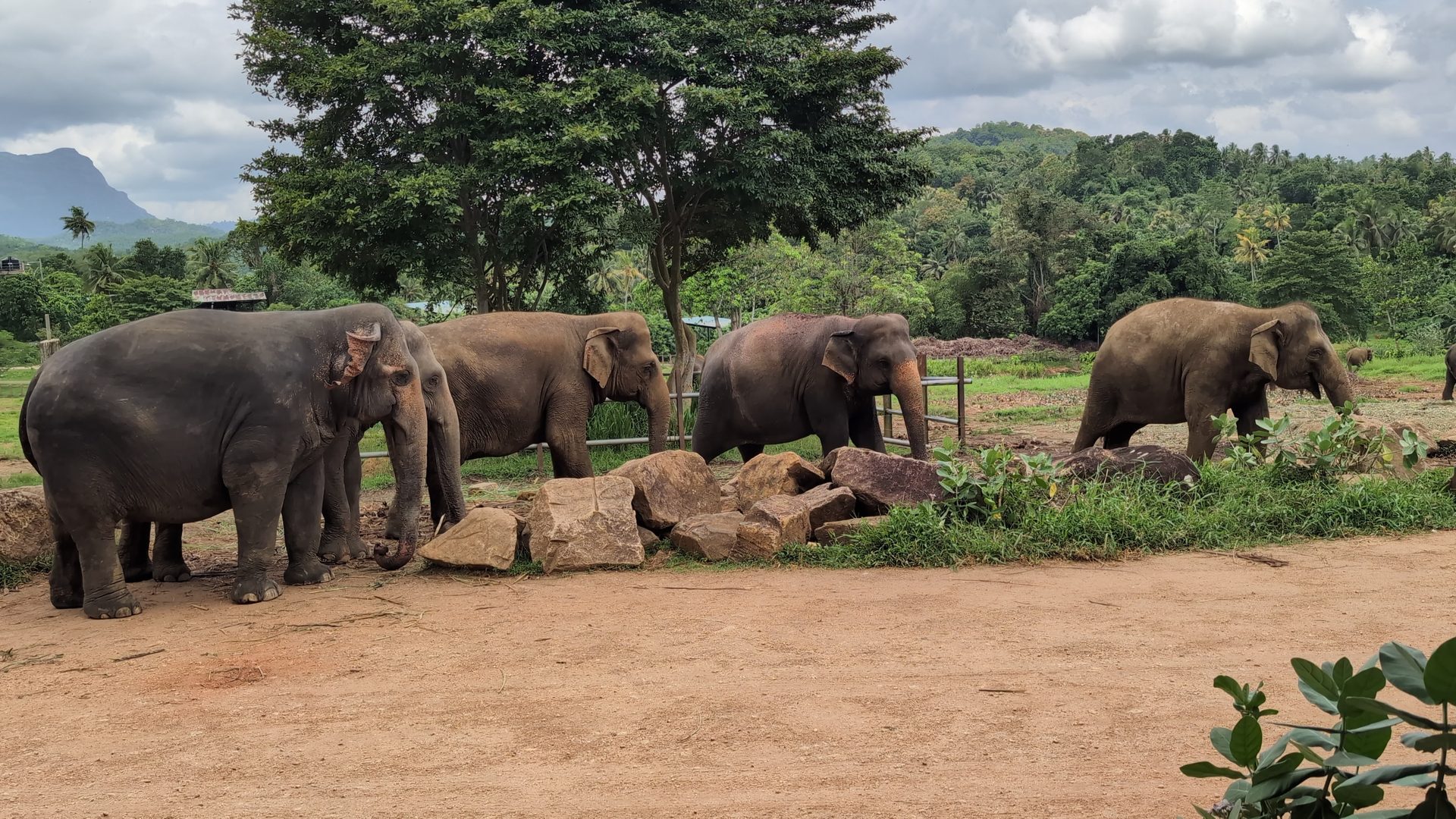
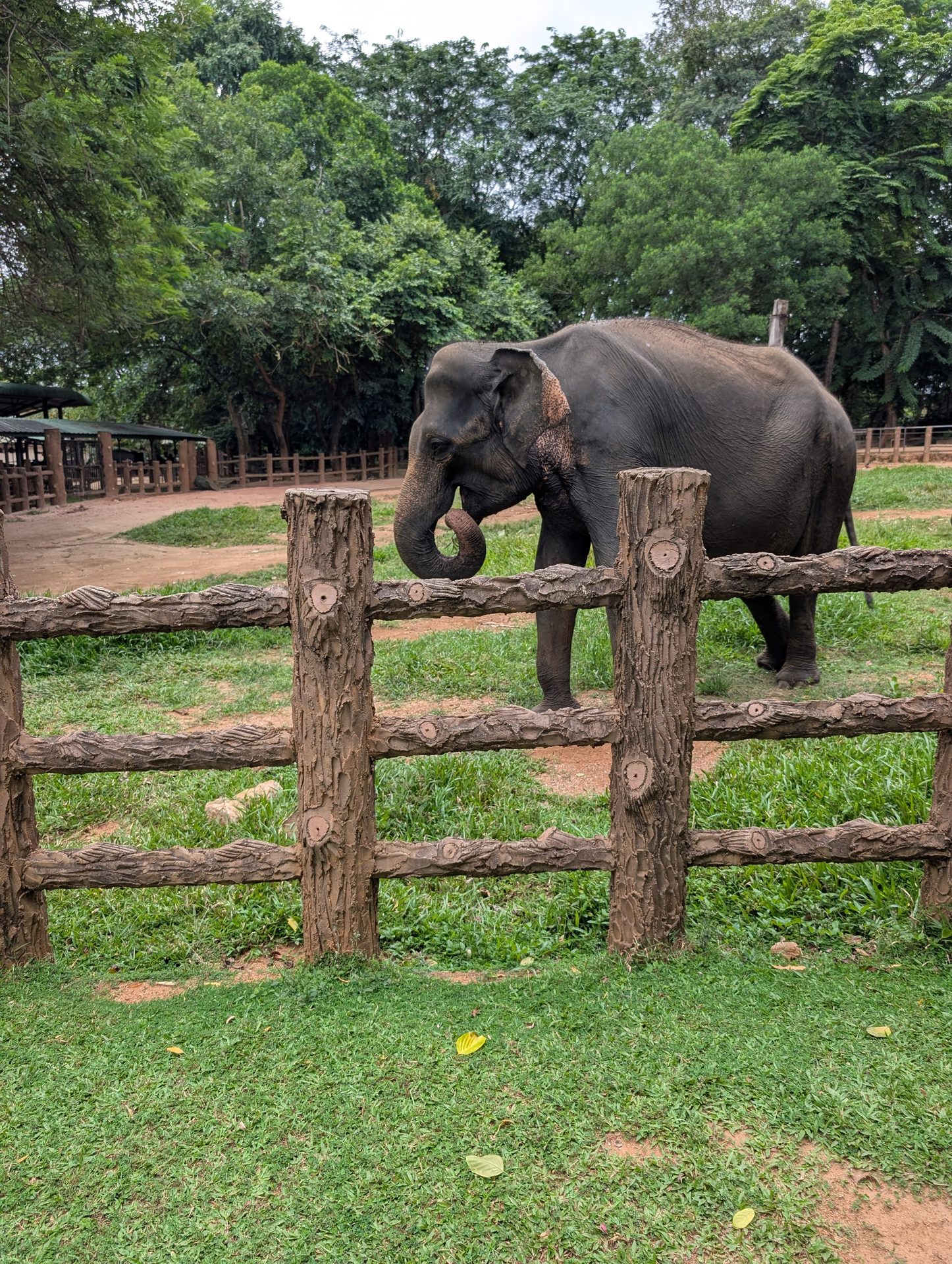
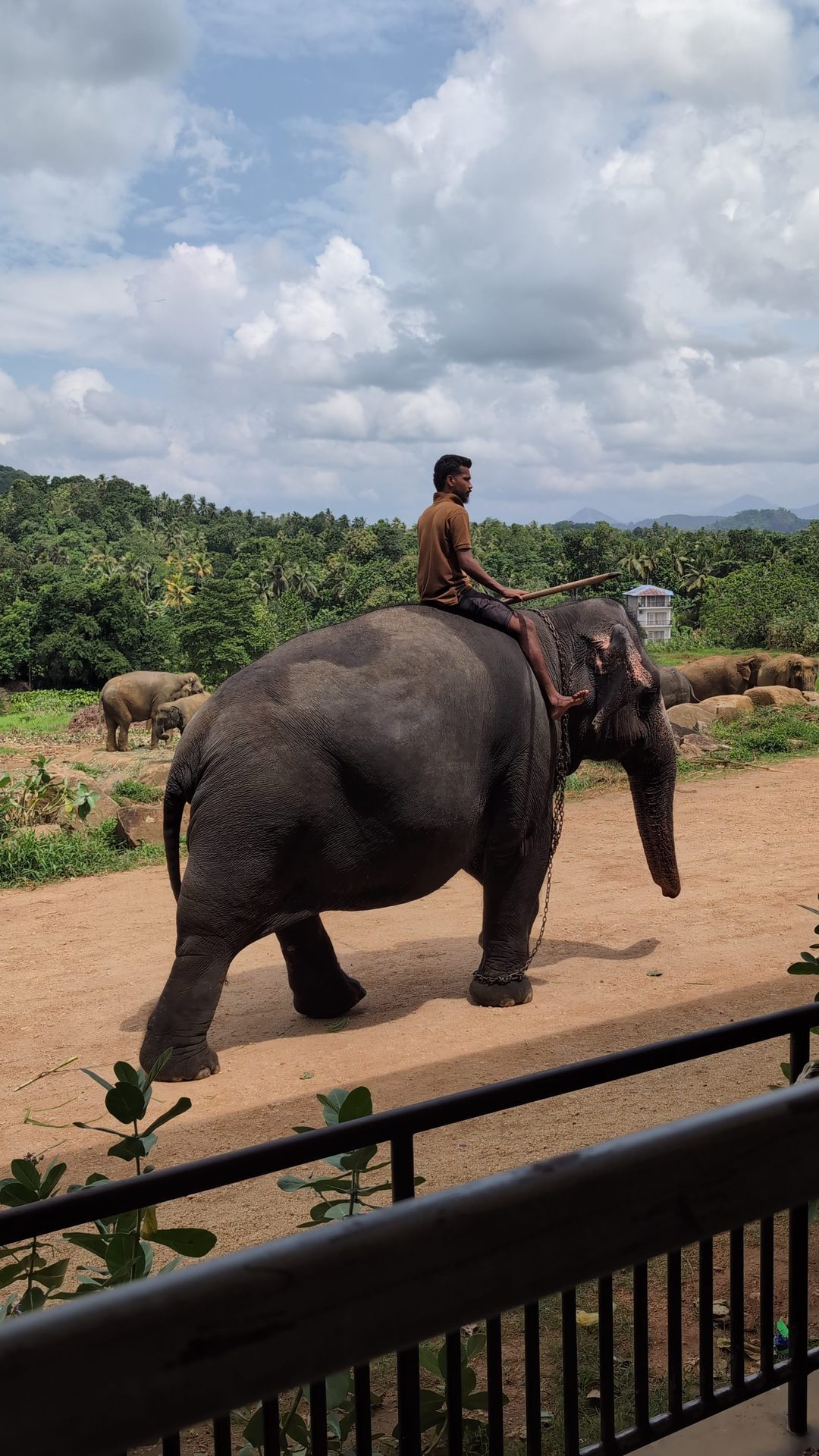
The River Bathing
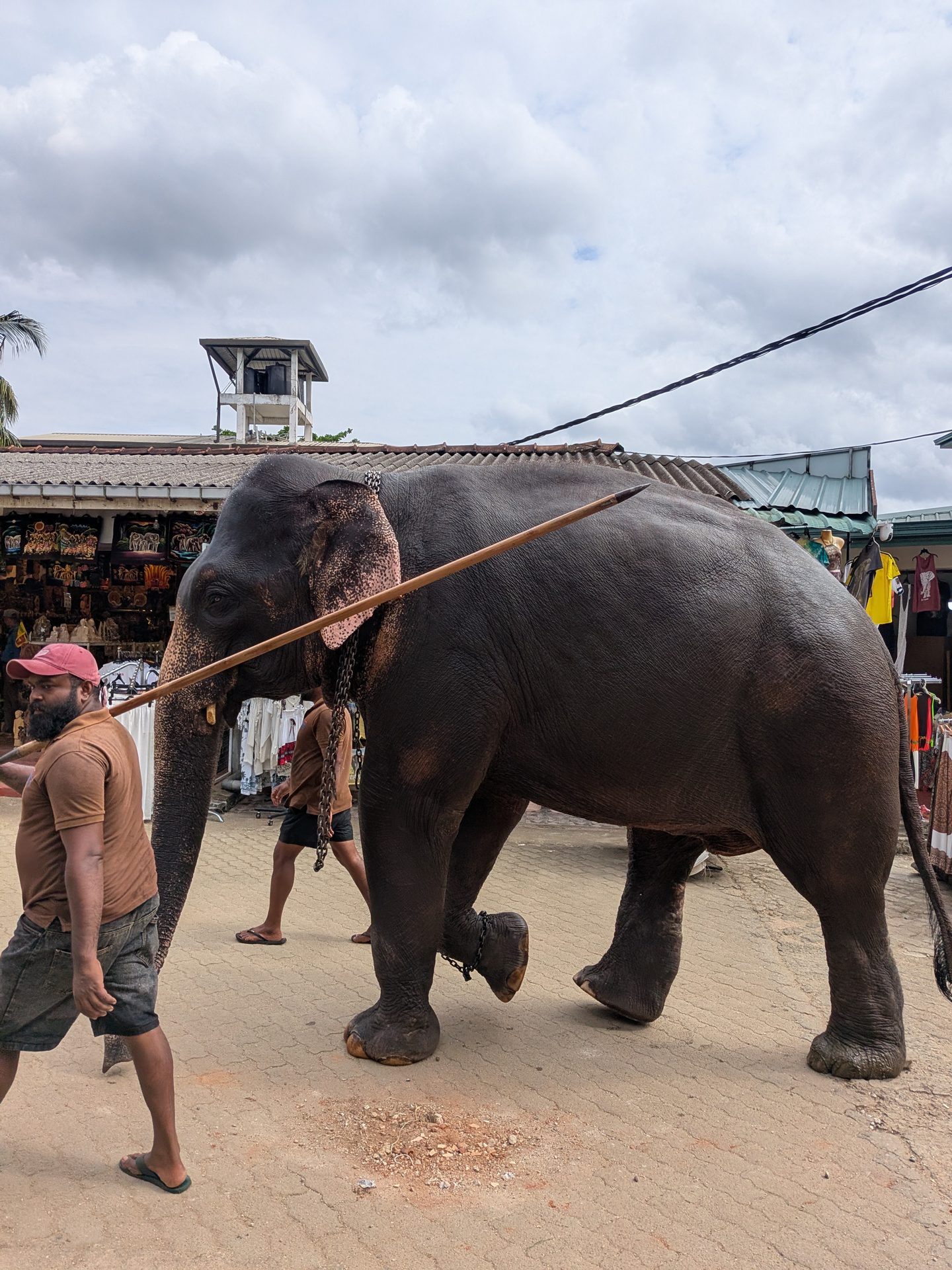
Twice a day the herd is walked from the enclosure, across the road and down a short street lined with shops to the Ma Oya river. We timed our visit for the afternoon session. Mahouts walk alongside, and you can watch from the street or from the restaurants that look over the river.
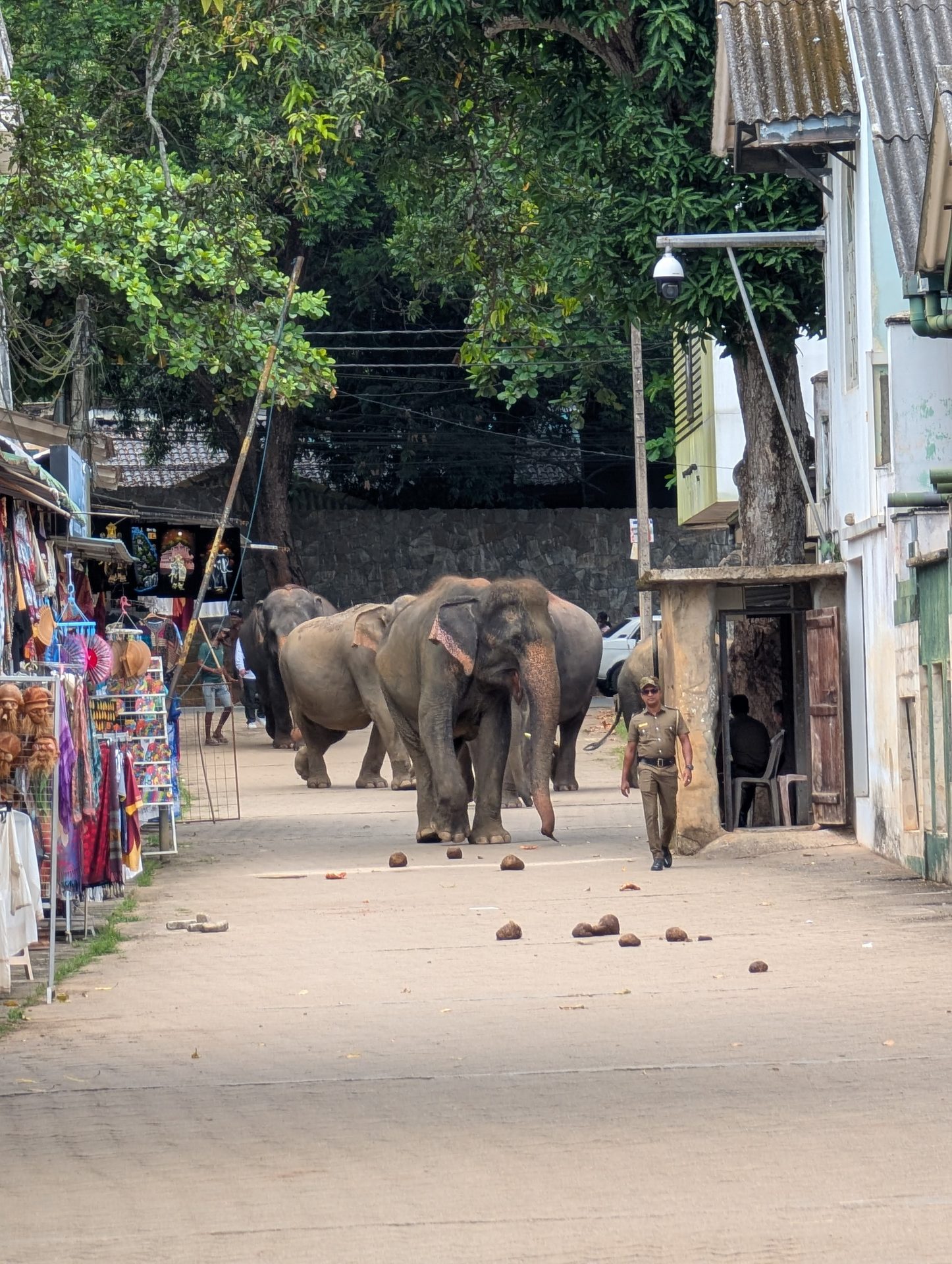
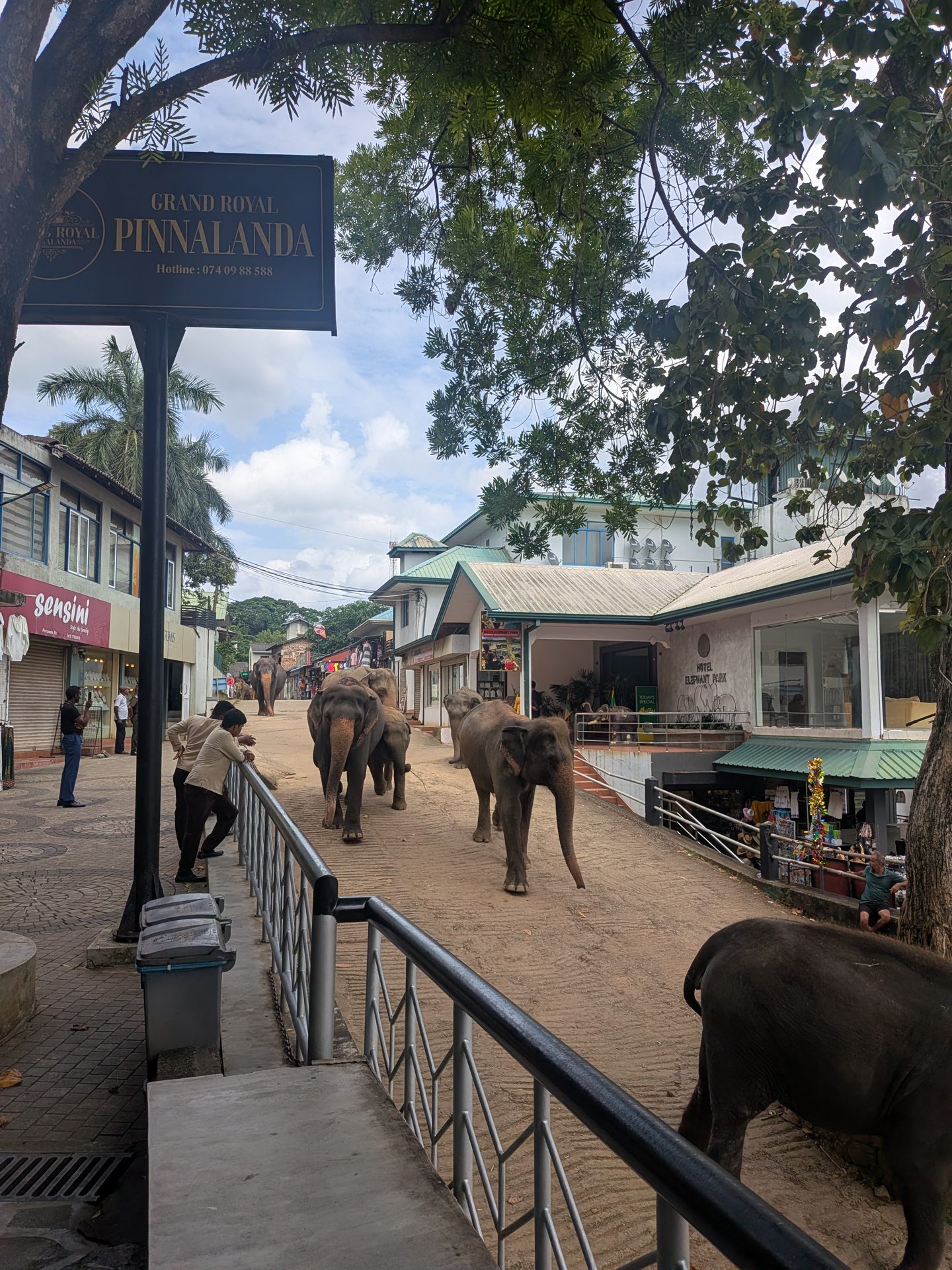
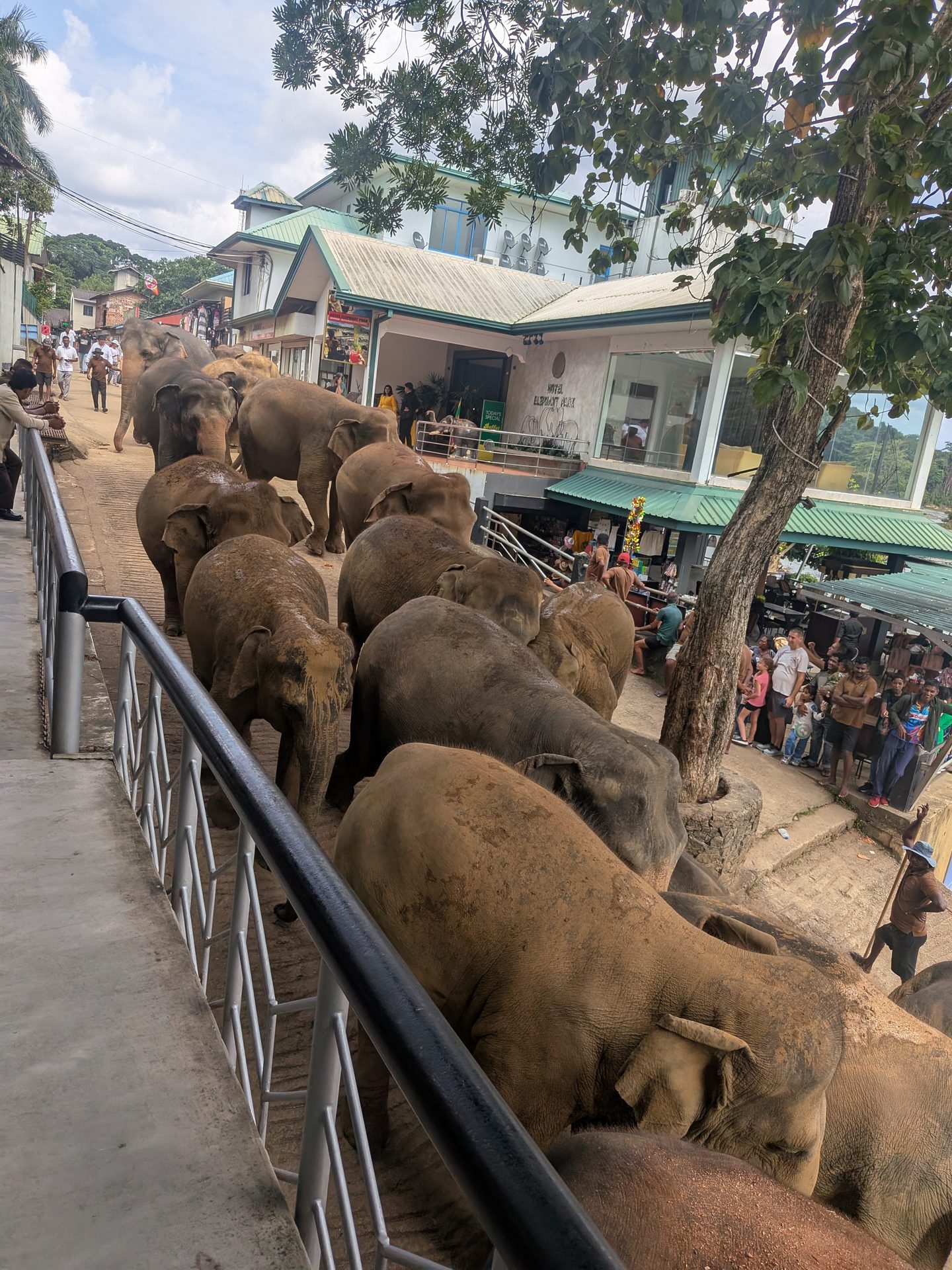
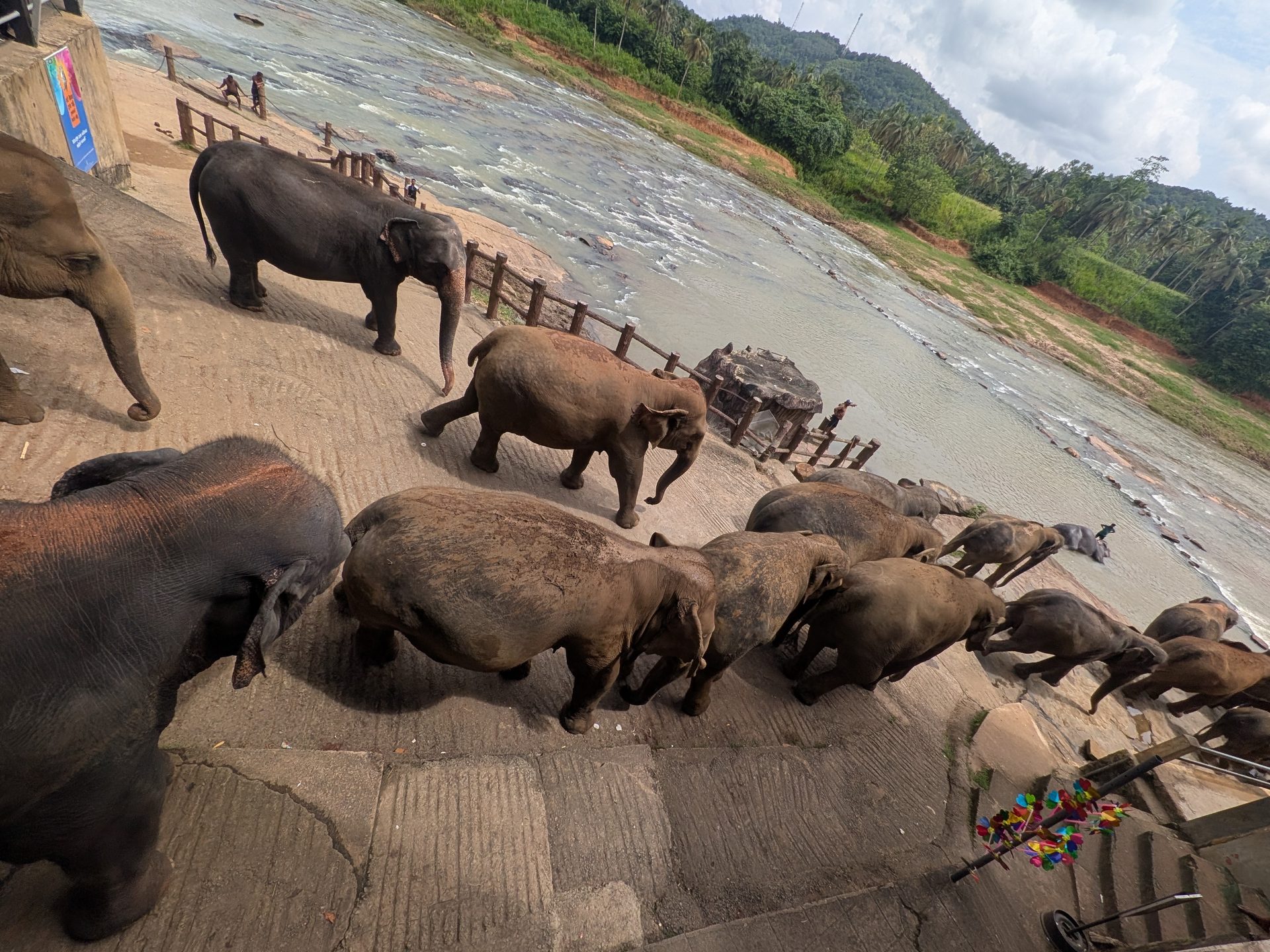
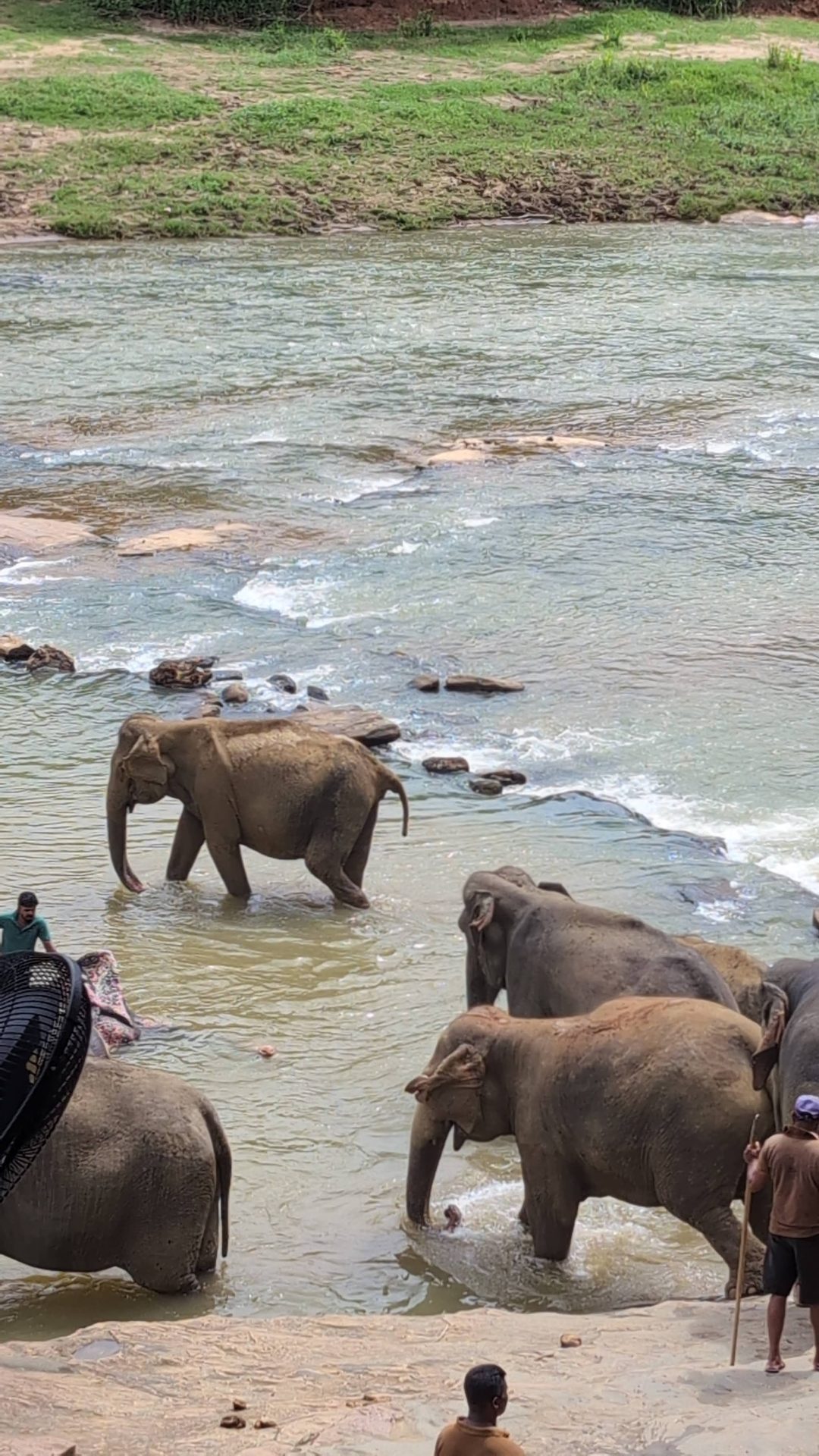
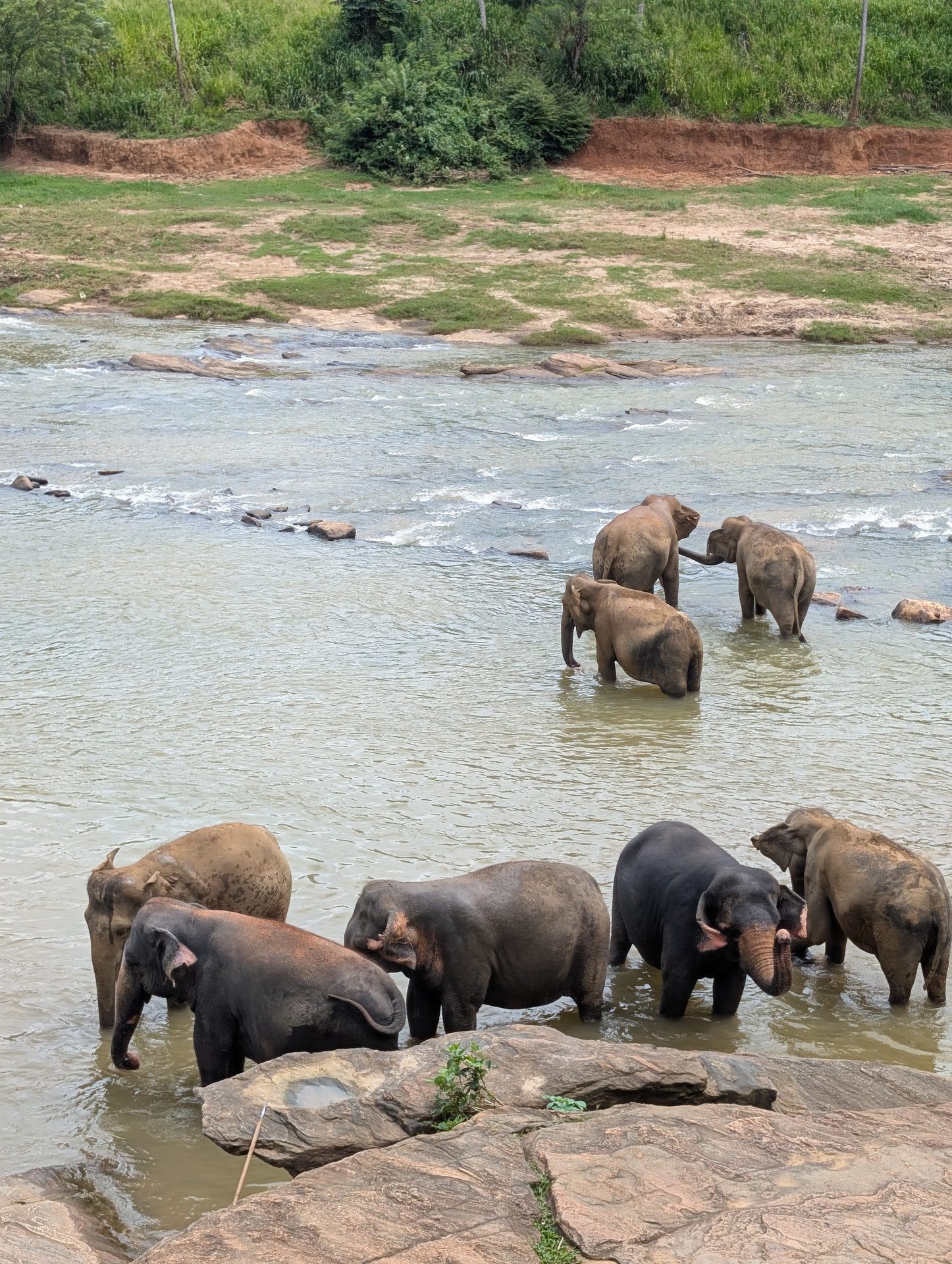
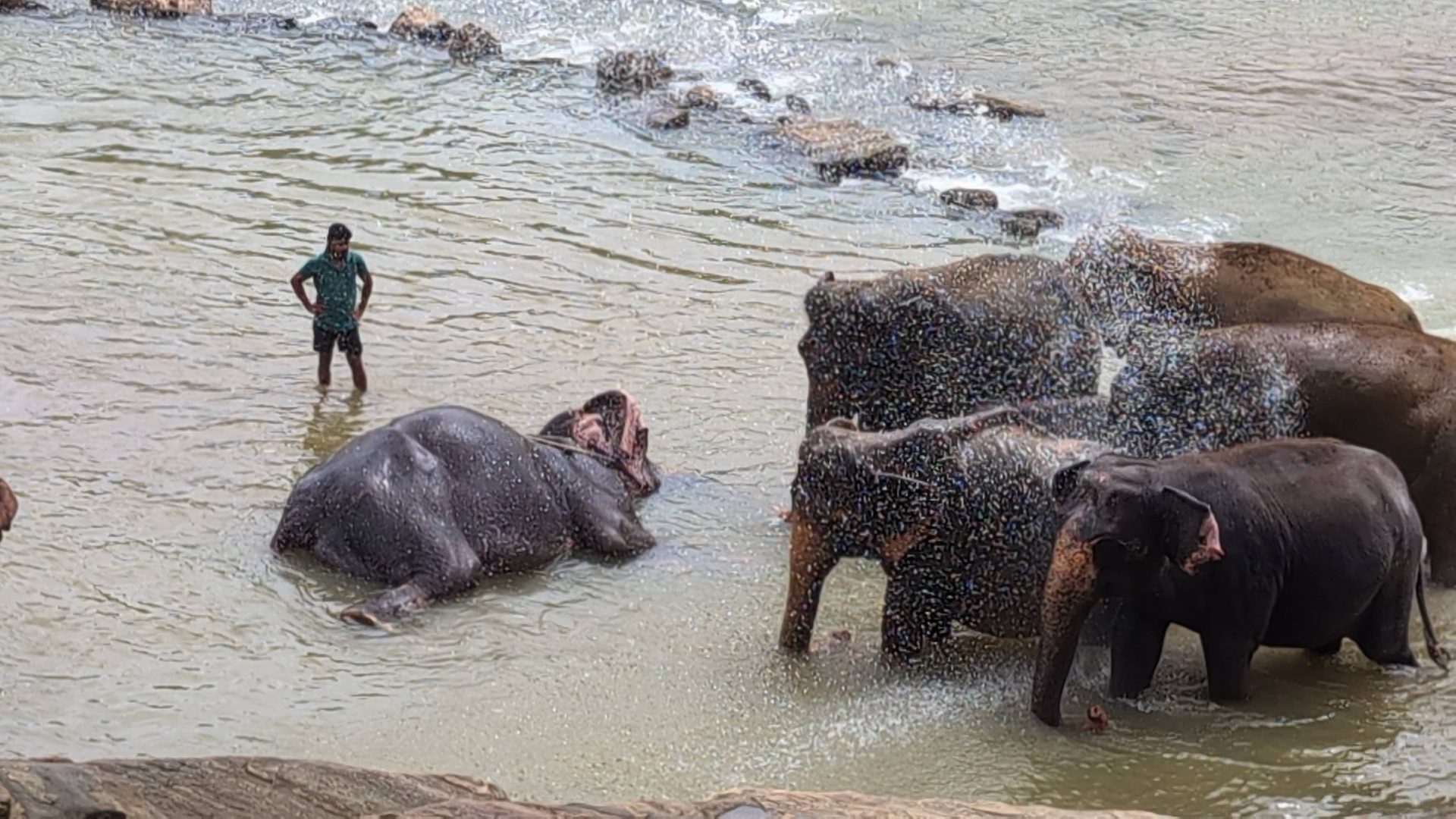
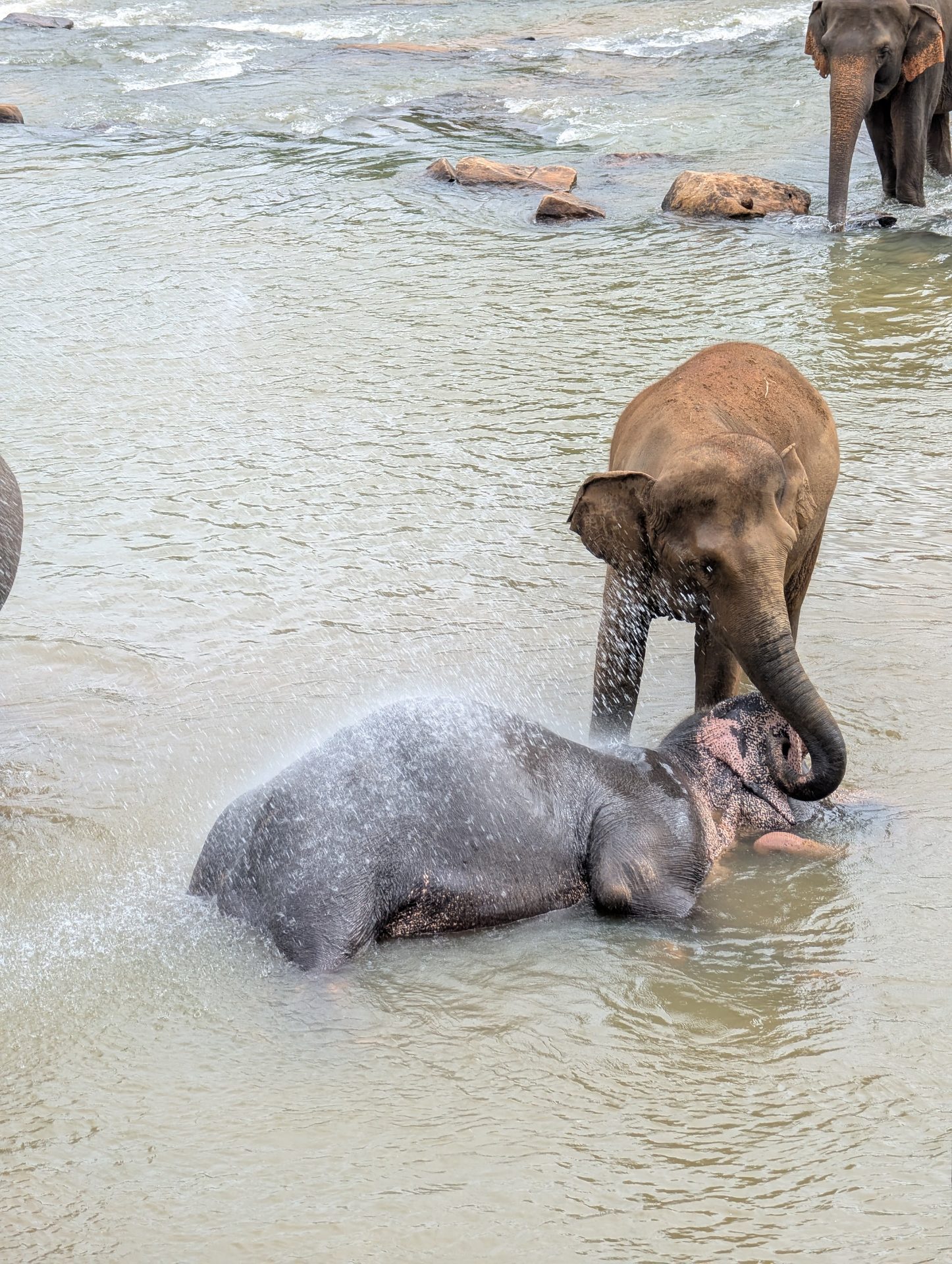
- Bathing times: the main herd goes to the river at about 10 a.m. and 2 p.m. and stays for around two hours. Check the current schedule before you go.
- Tickets: as of October 2026, the official Pinnawala page lists USD 17.70 for foreign adults and USD 8.85 for children. Sri Lankans pay a small rupee fee.
- Hours: opens at 8:30 a.m. The ticket counter closes at 5 p.m.
- Time needed: 2 to 3 hours if you see the enclosure and one river session.
Lunch at Pinnalanda
We had lunch at Pinnalanda, a restaurant right on the river where you can eat while watching the elephants bathe below. Lunch was a buffet, and honestly the food was just okay. You are paying for the view. Our son did not eat here, so we cannot speak to how they handle allergies.
The Criticism of Pinnawala
Pinnawala is popular, but it is also one of the most criticized elephant attractions in Sri Lanka, and it is fair to know that before you go. We did not see any mistreatment during our visit. Still, these are captive elephants, and some practices have drawn criticism from animal welfare groups:
- Some elephants are chained, especially at night and adult males.
- Mahouts use a bullhook to control the elephants.
- The site has bred elephants in captivity since the early 1980s, so many of today's herd were born there rather than rescued.
- Since 1995, orphaned calves found in the wild generally go to the Elephant Transit Home at Udawalawe instead, which raises them for release back into the wild.
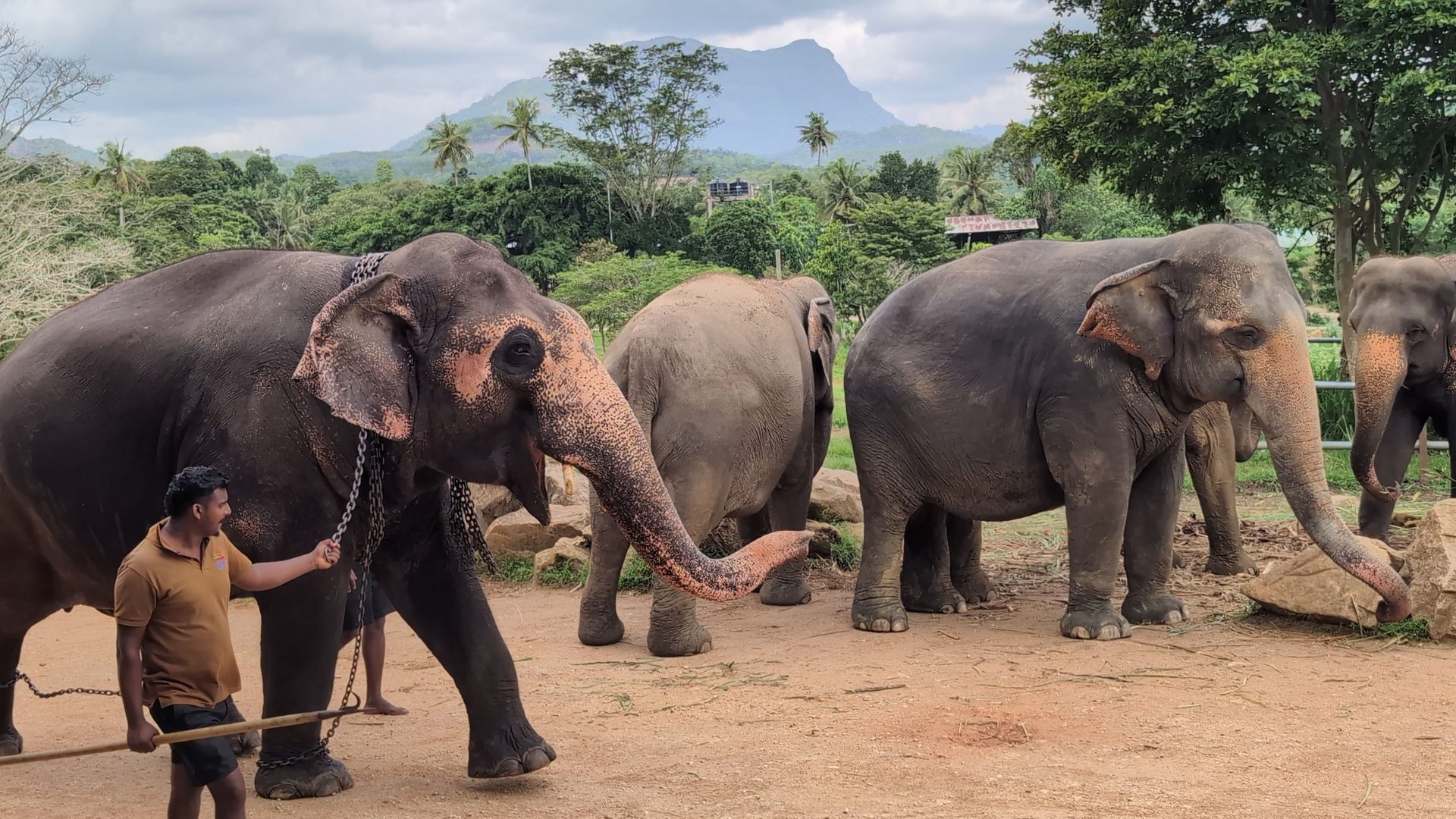
Our take: it was a memorable afternoon, and the river bathing is something you will not forget. If seeing elephants in the wild matters more to you, a safari at Minneriya, Kaudulla or Udawalawe is the better choice. We saw a wild elephant by the road that same evening, which felt very different.
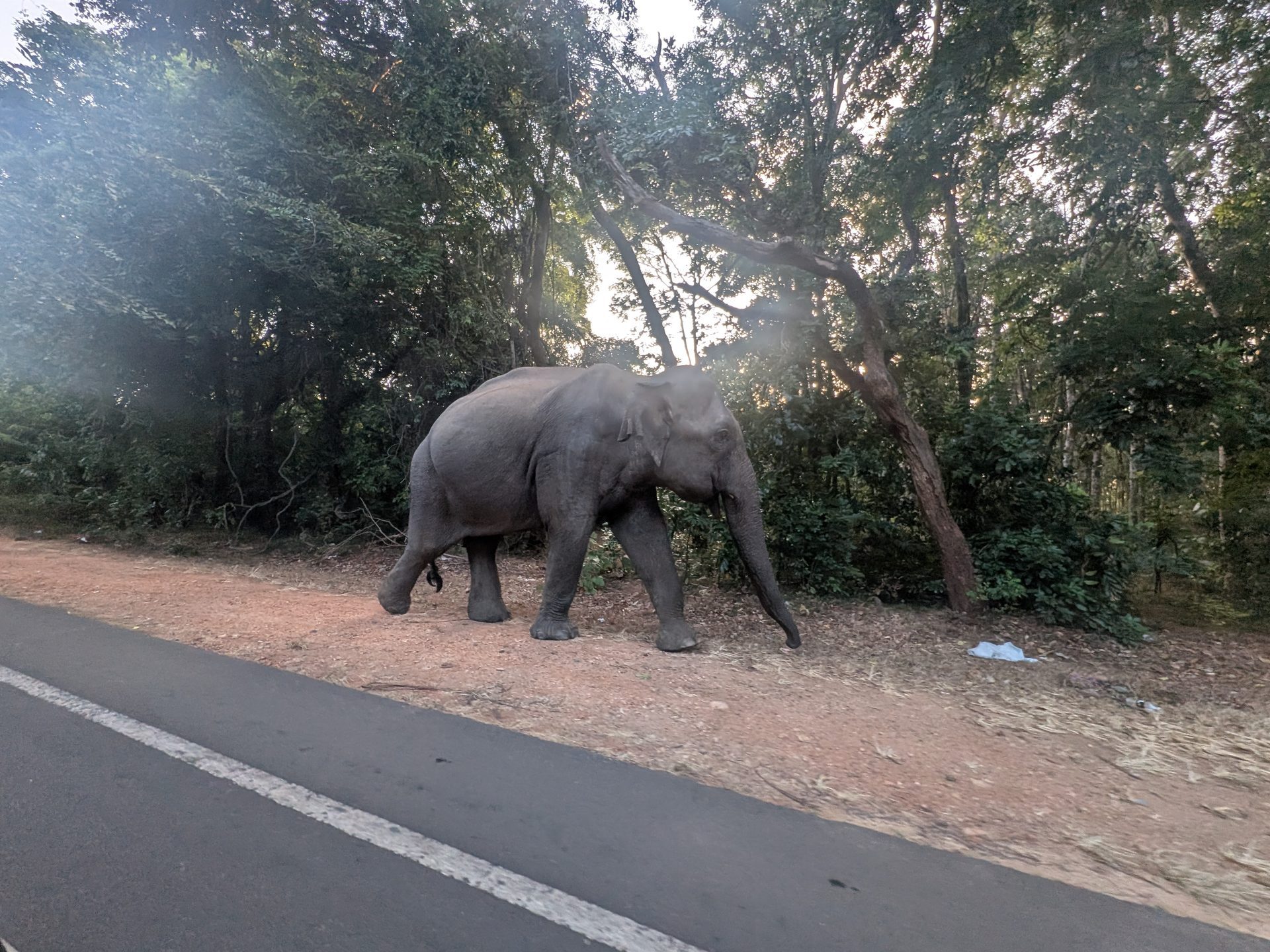
A Wild Elephant by the Road
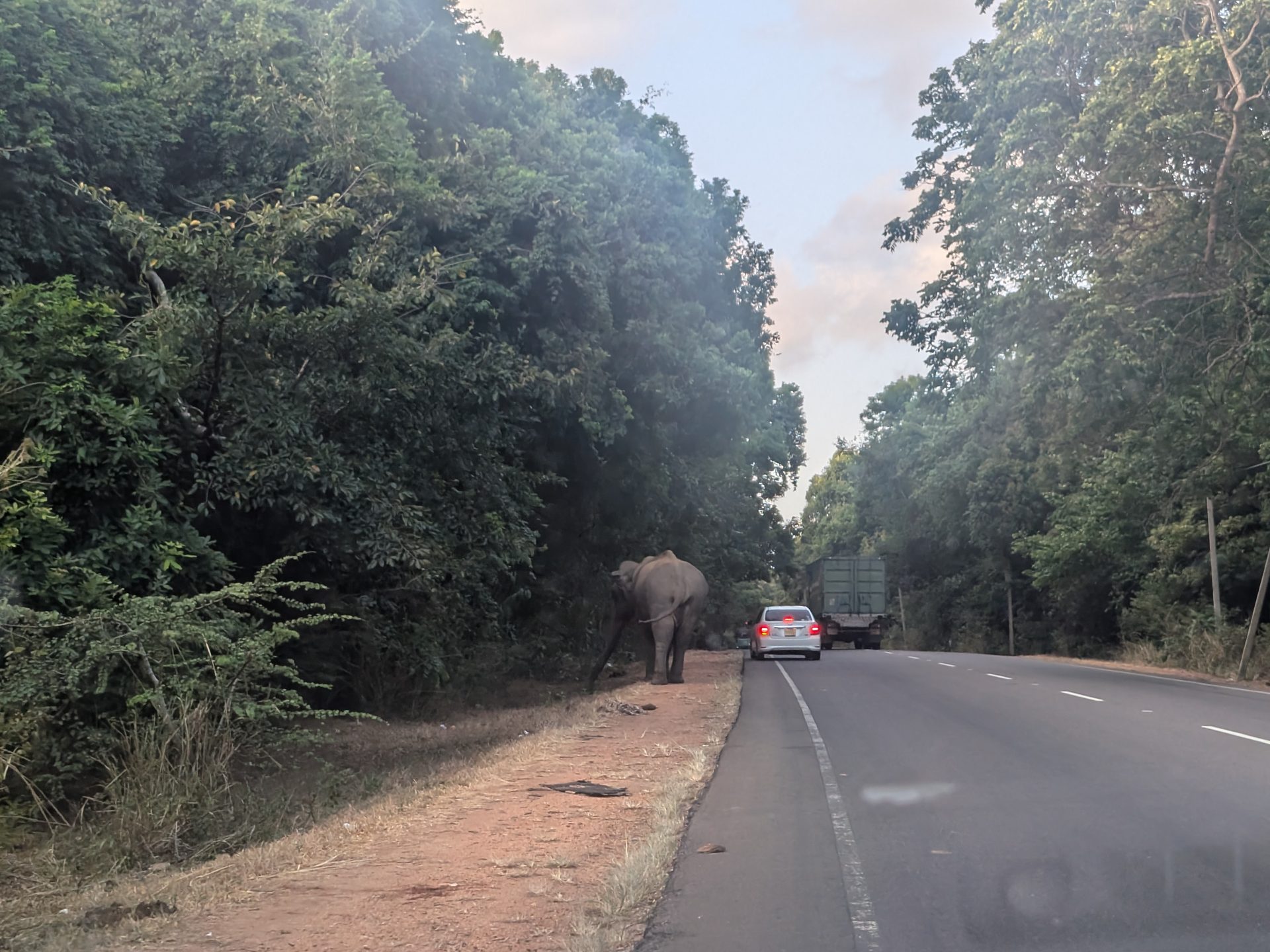
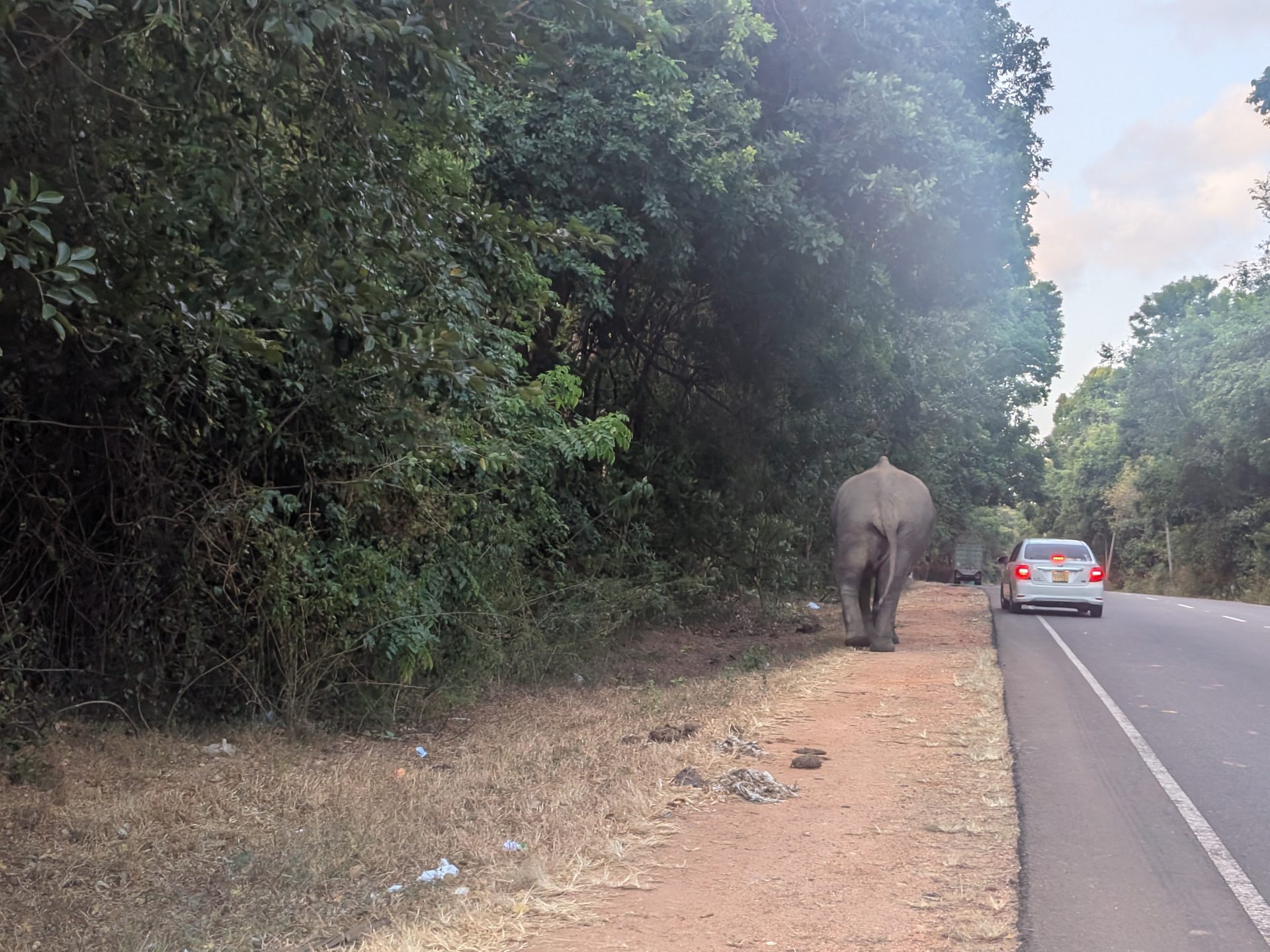
Near Sigiriya, just before sunset, our driver slowed down for a wild elephant grazing at the edge of the road. It walked along the shoulder for a few minutes and then crossed the road in front of us. Drivers here see this often, but it was a highlight for us. Stay in the car, keep your distance and never feed wild elephants.
Where We Stayed in Sigiriya: Sigiriya Jungles
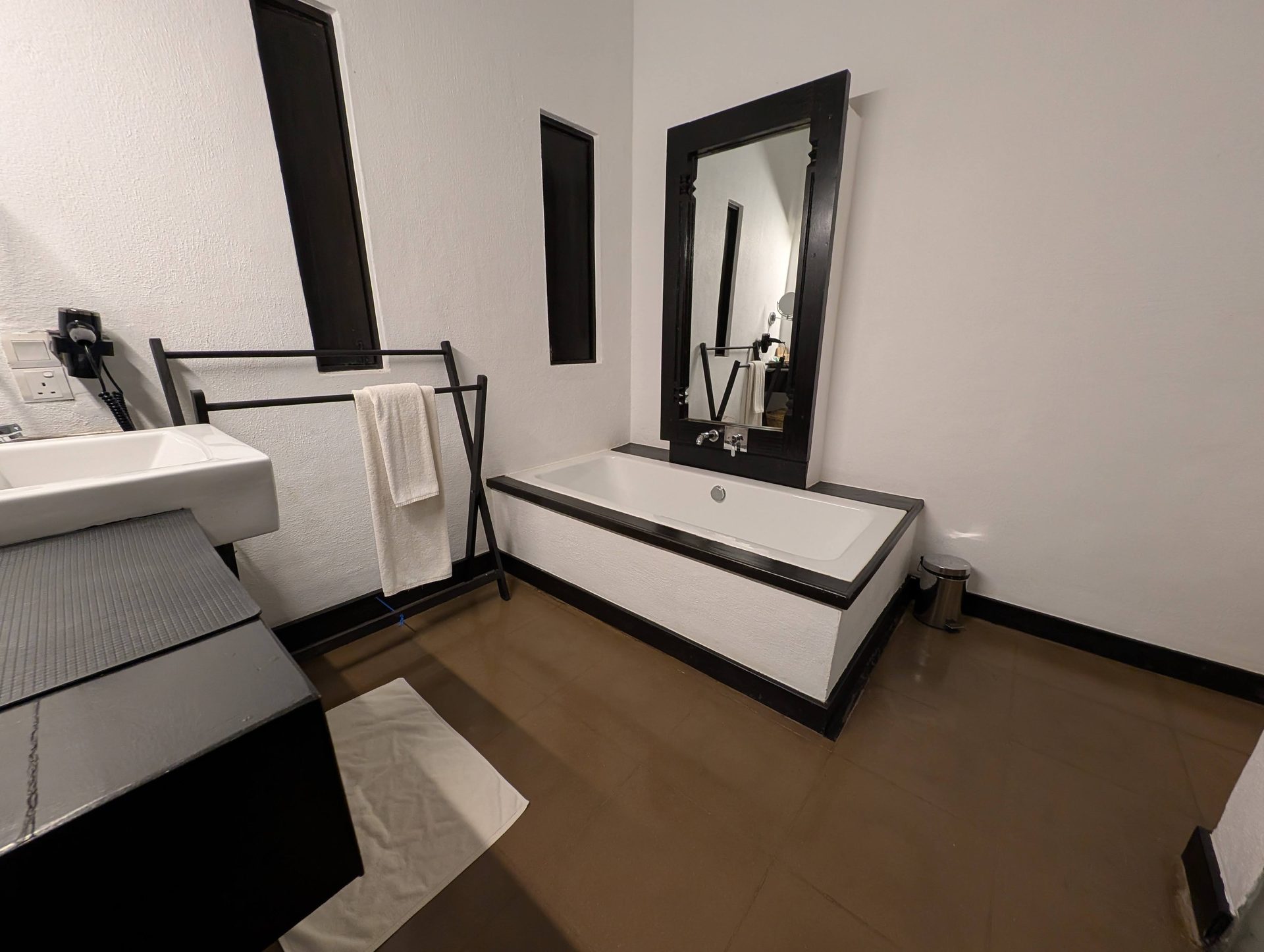
We spent two nights at Sigiriya Jungles Resort and Spa, and everything was great. The rooms are in single-story chalets spread across large, shady grounds, a short drive from Sigiriya Rock. We had a Deluxe Plus room with a king bed and a separate bed for our son, plus a big bathroom with a tub.
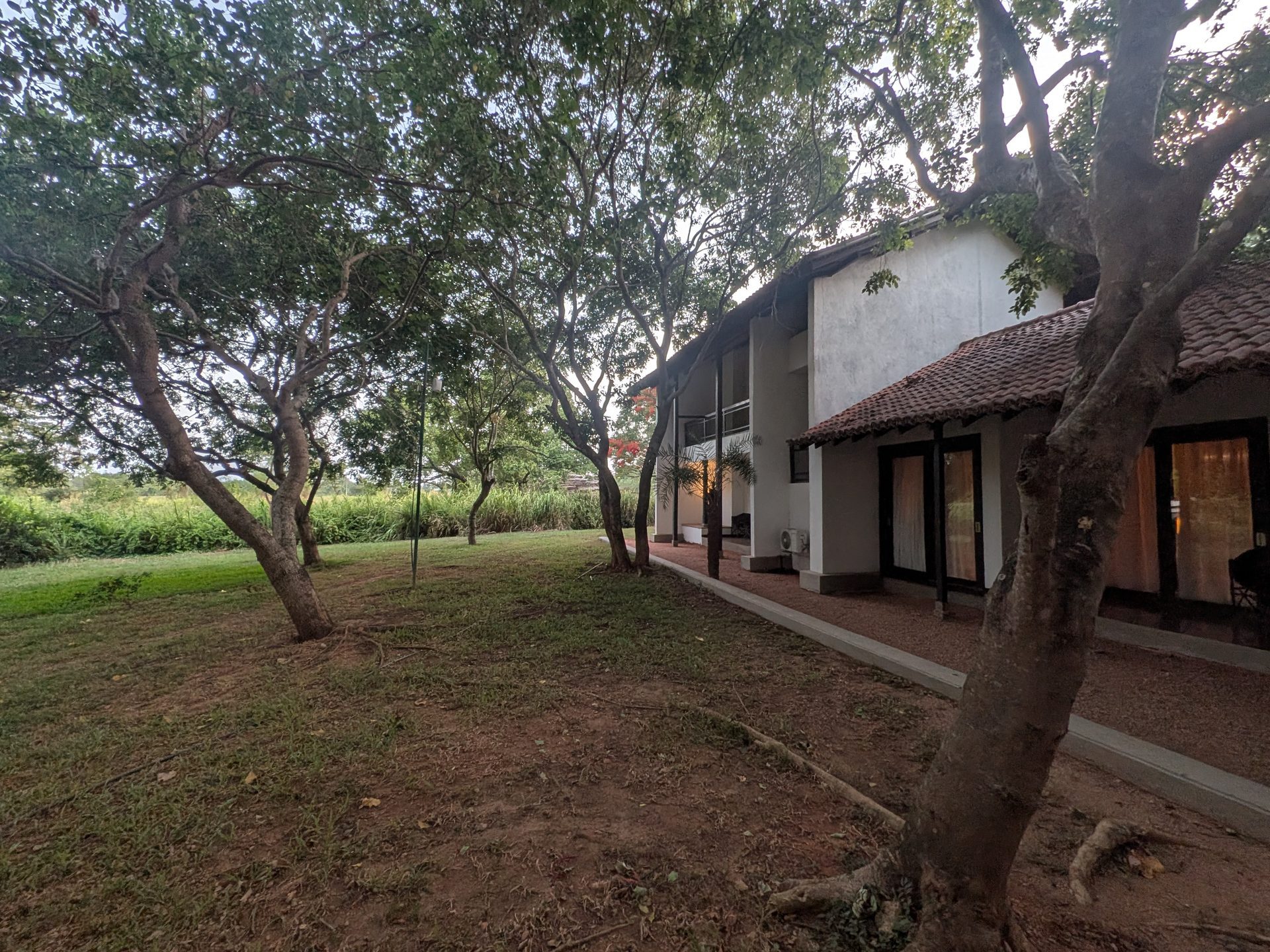
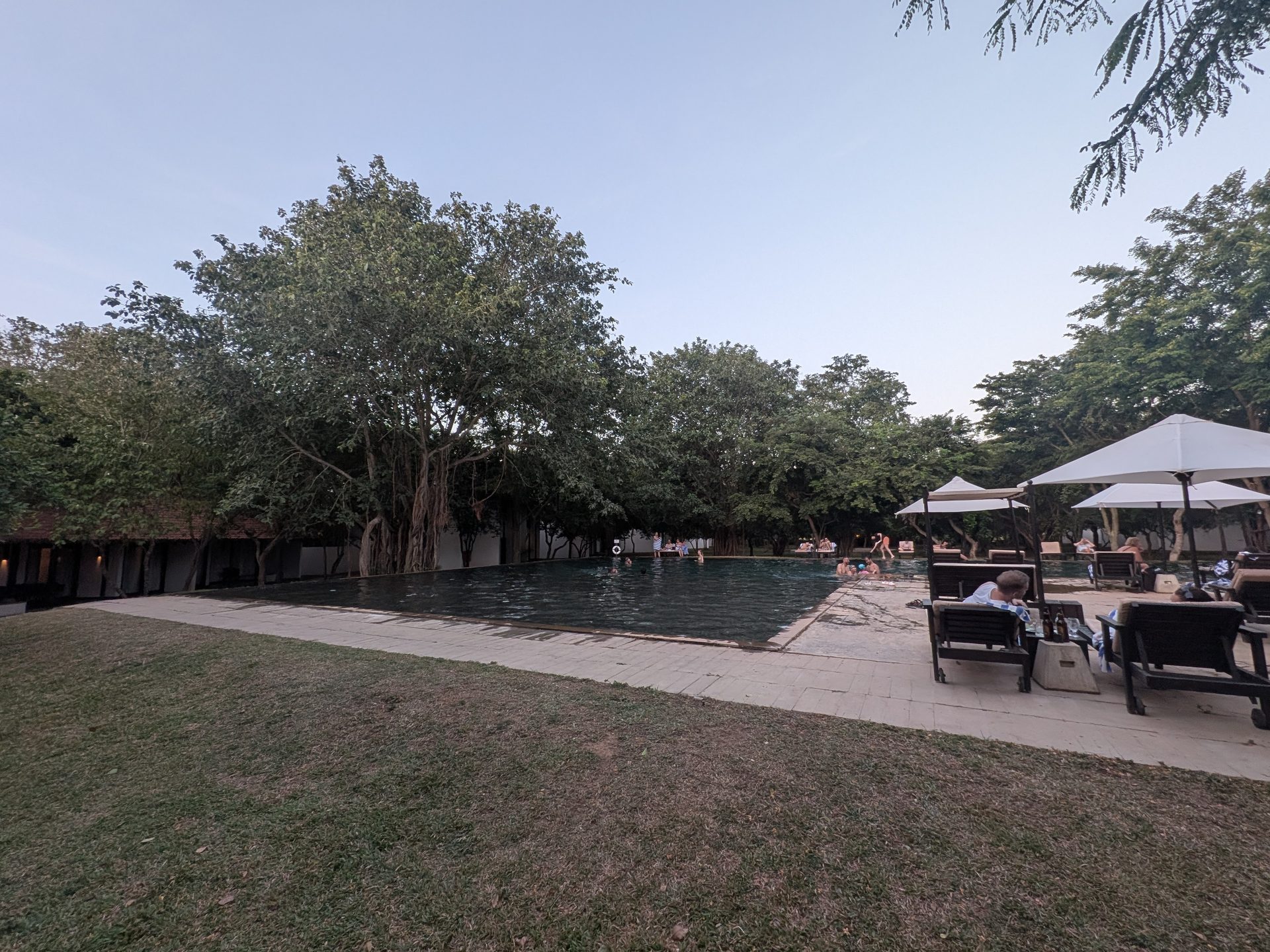
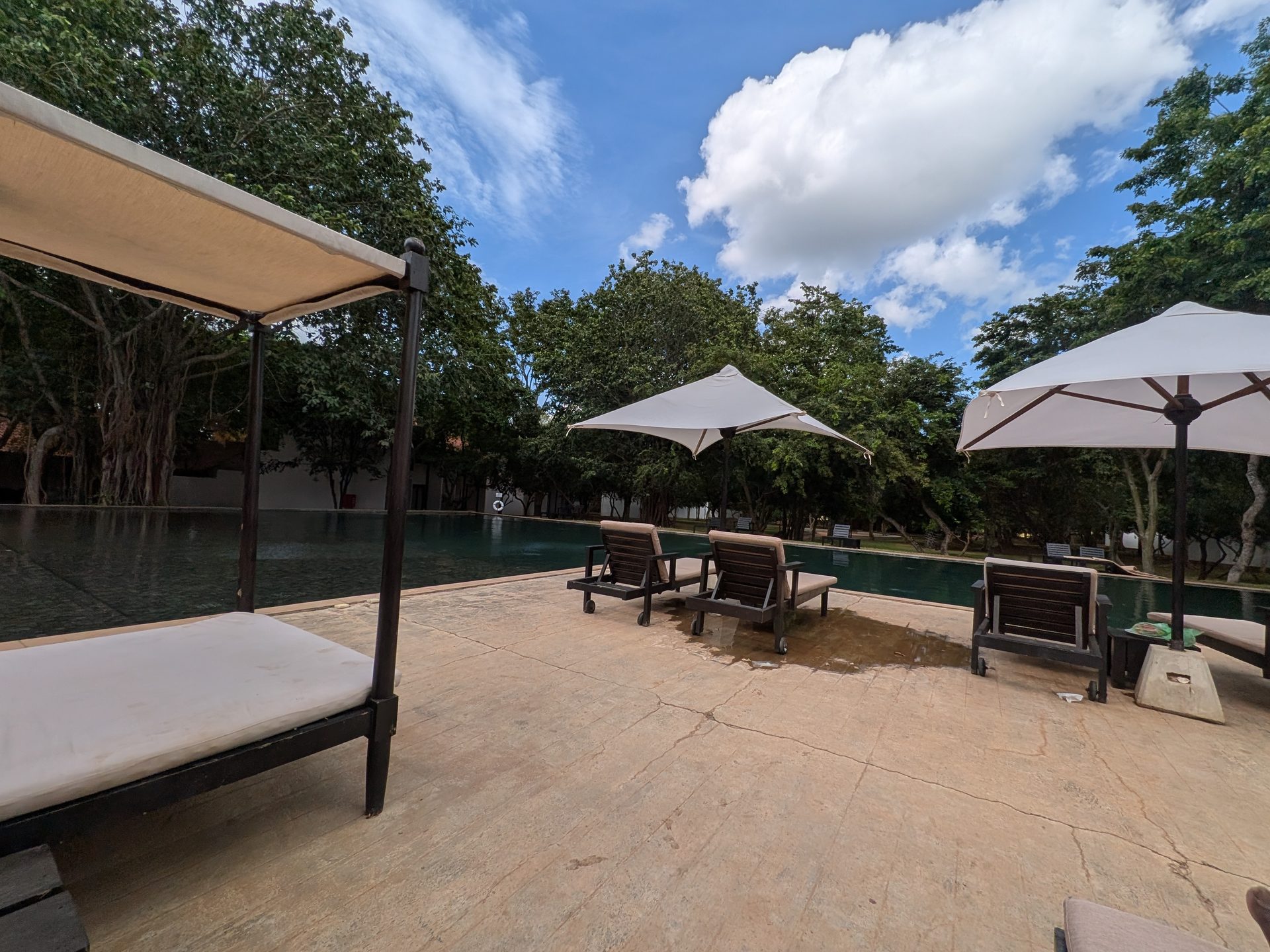
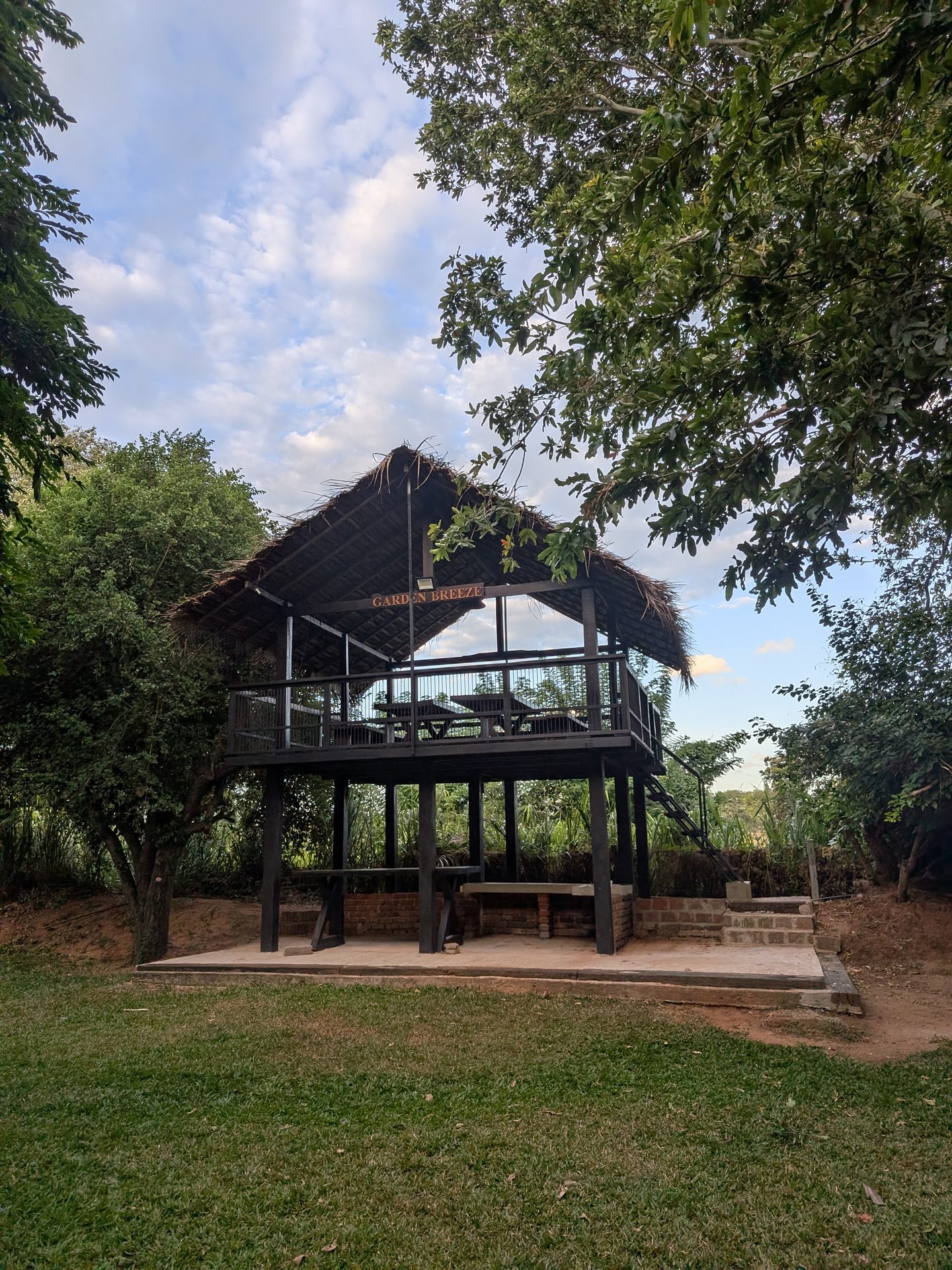
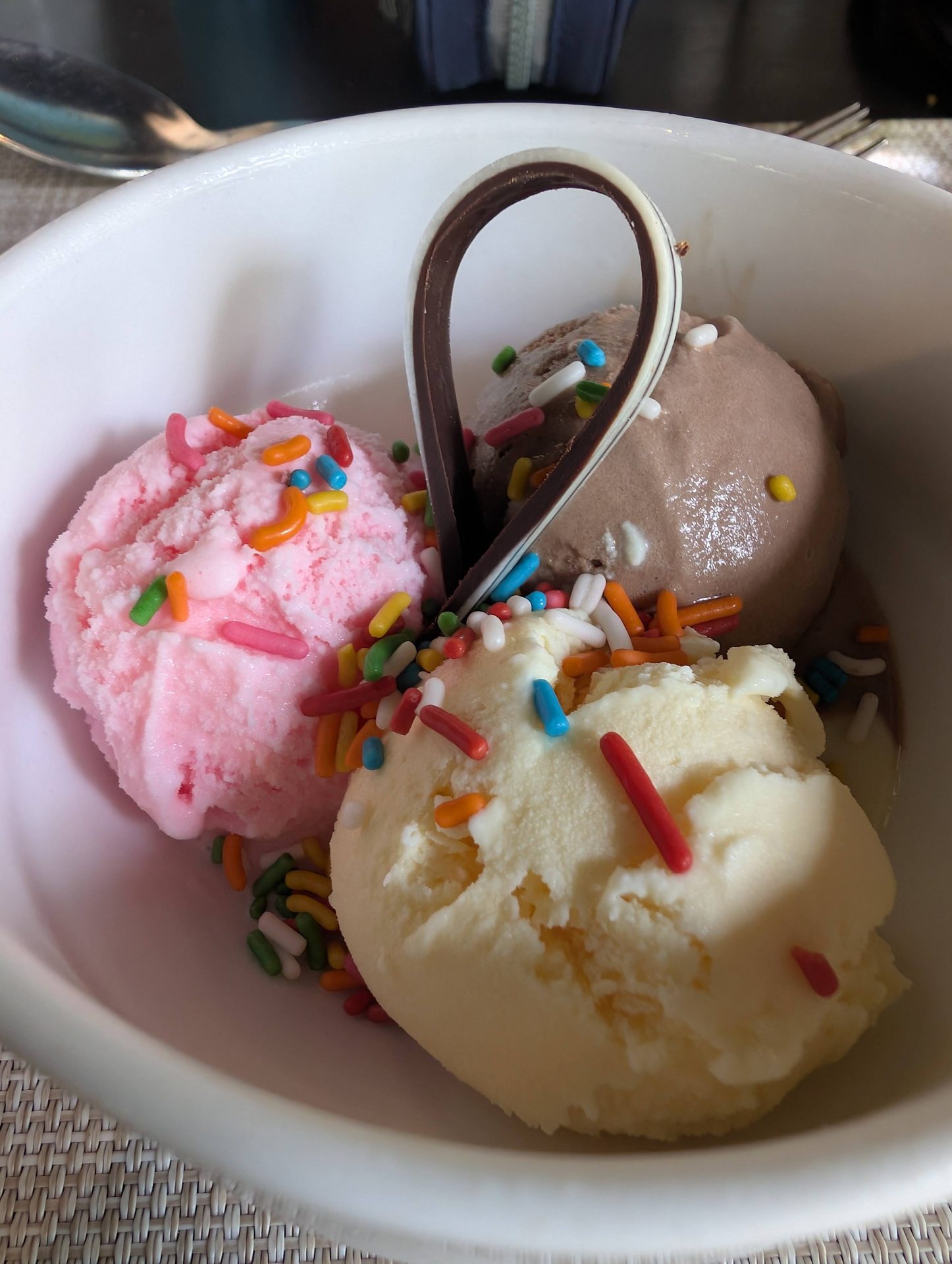
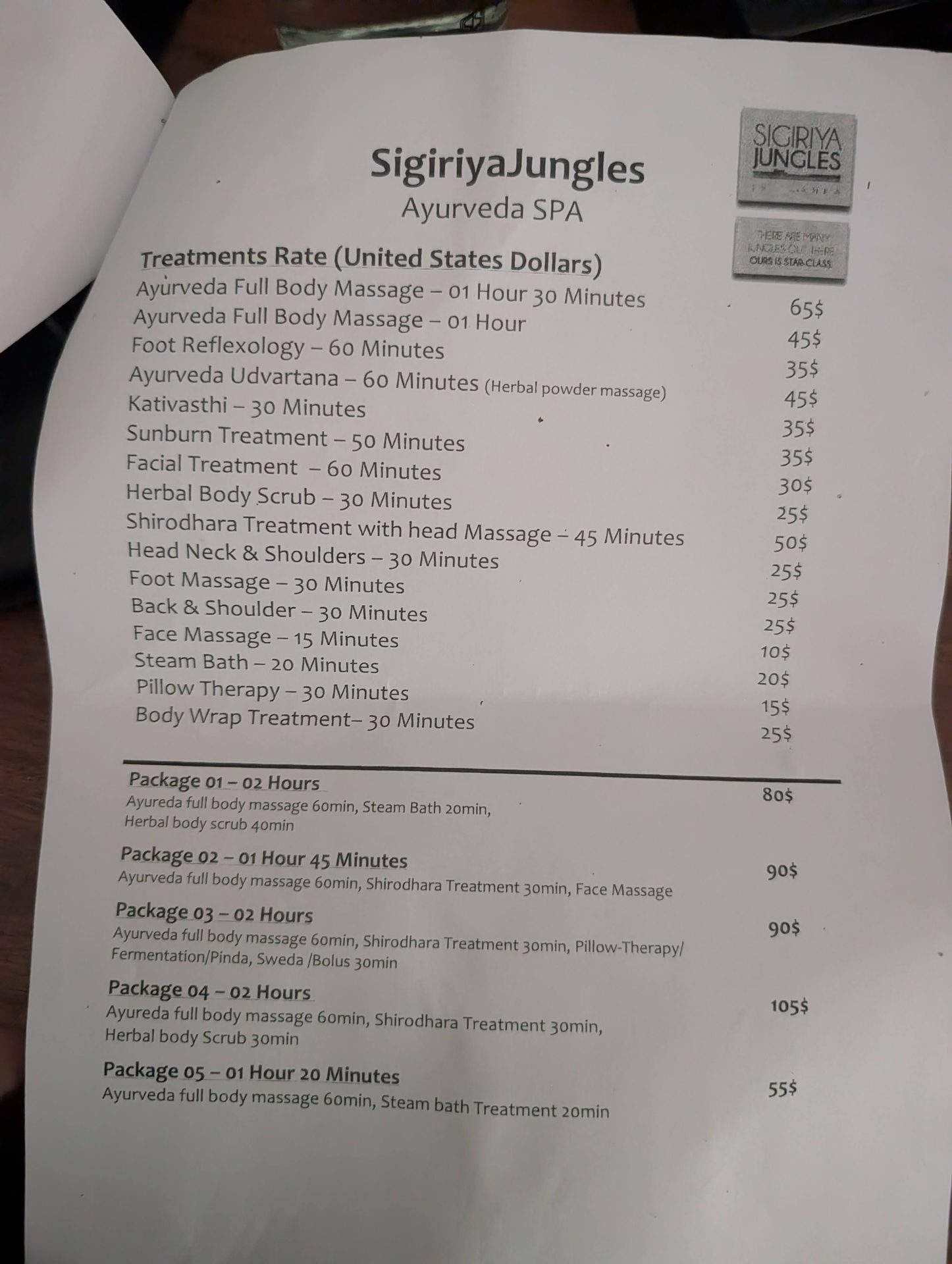
We booked full board, so breakfast, lunch and dinner were included, and the food was very good. After the Sigiriya climb, a long lunch and an afternoon in the pool was exactly what we needed. There is also an Ayurvedic spa with prices listed in US dollars.
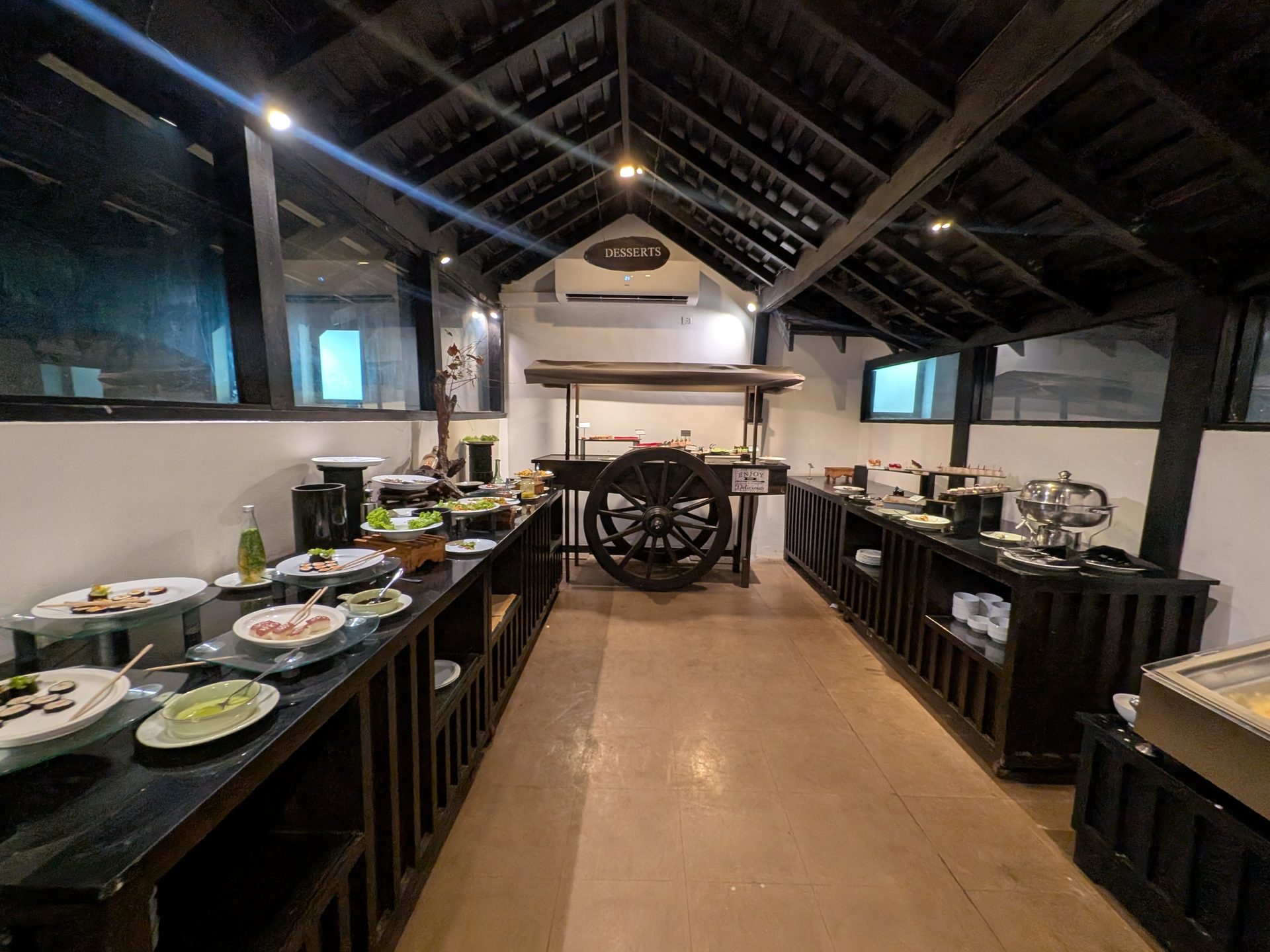
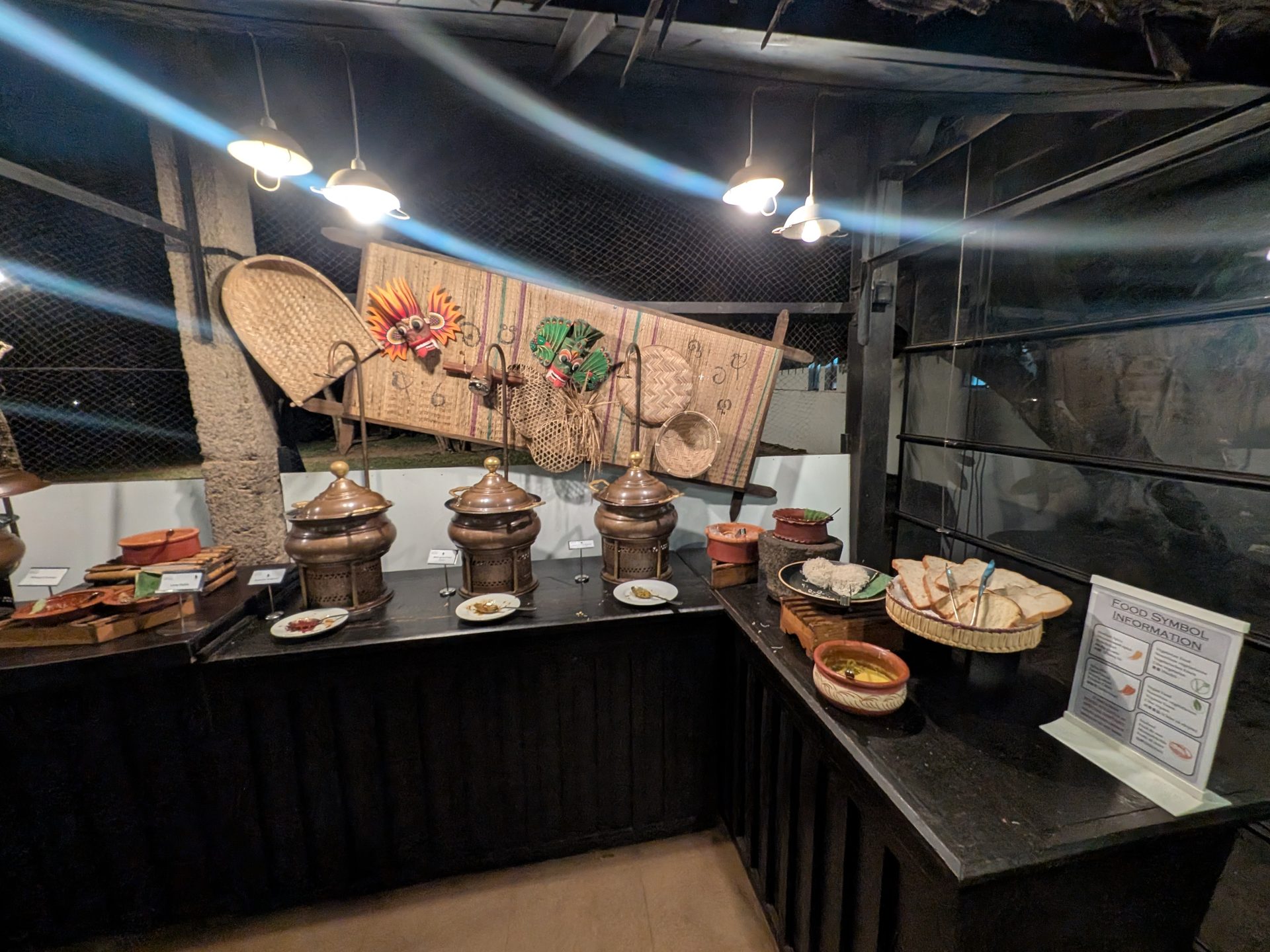
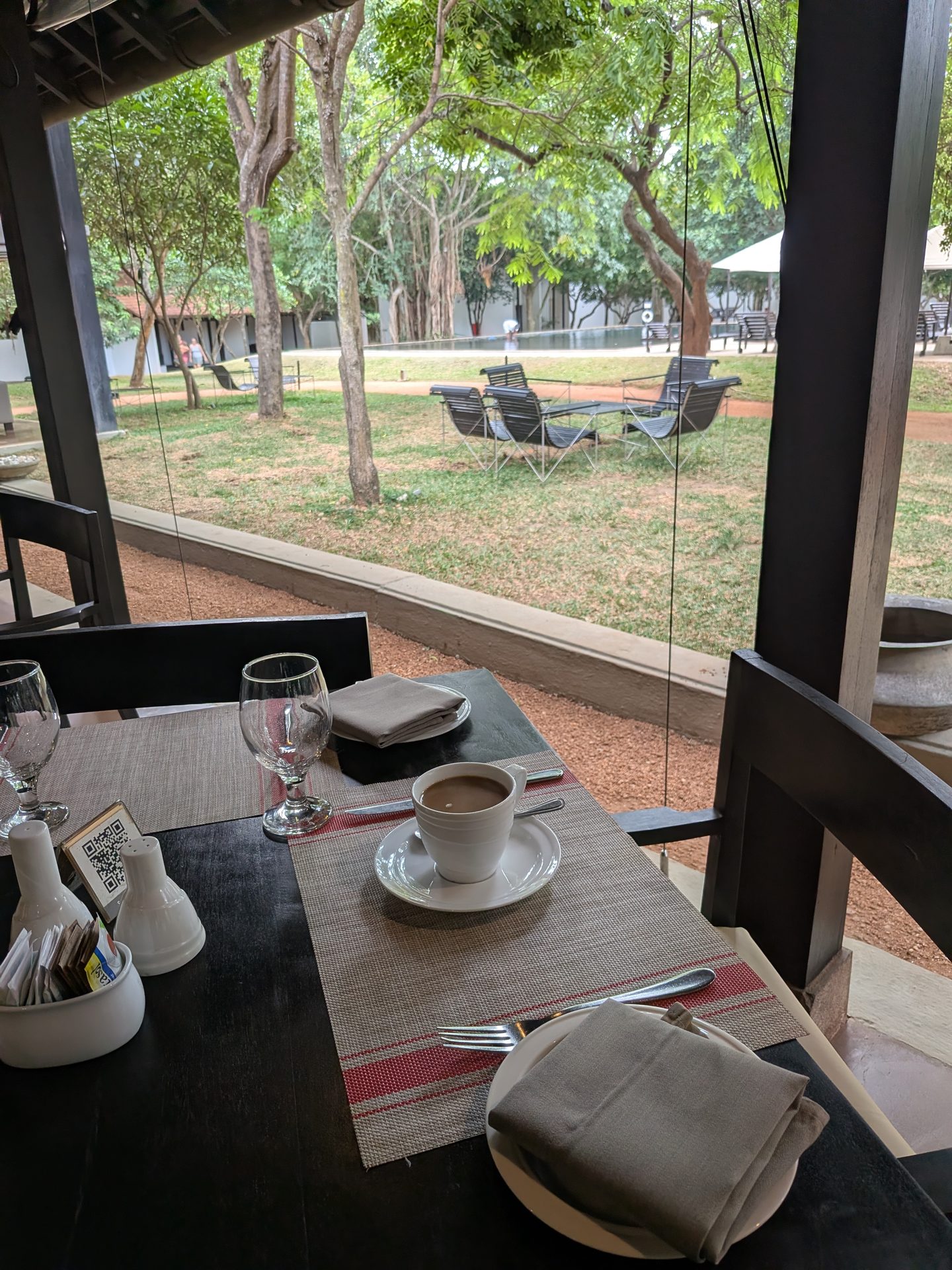
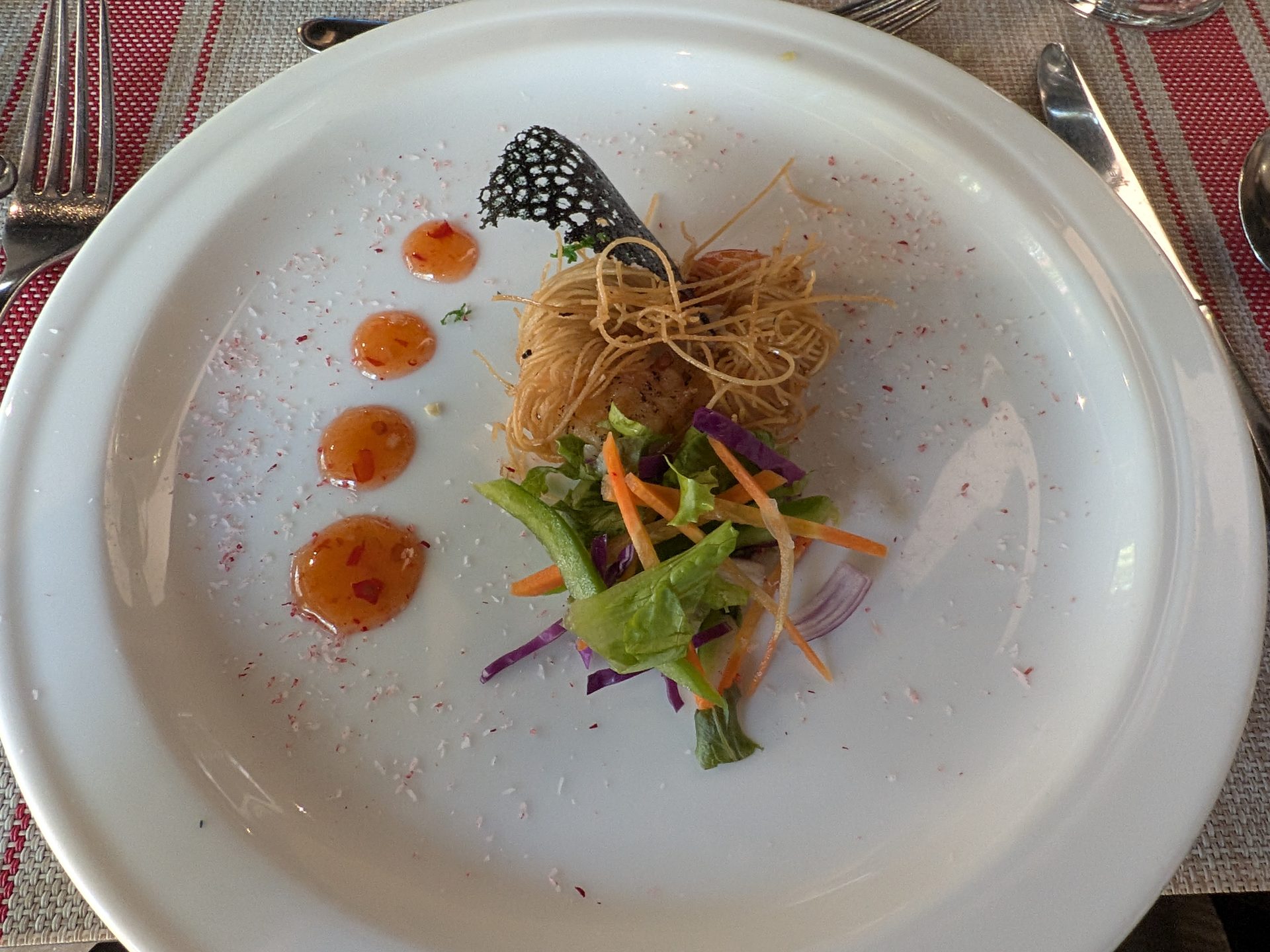
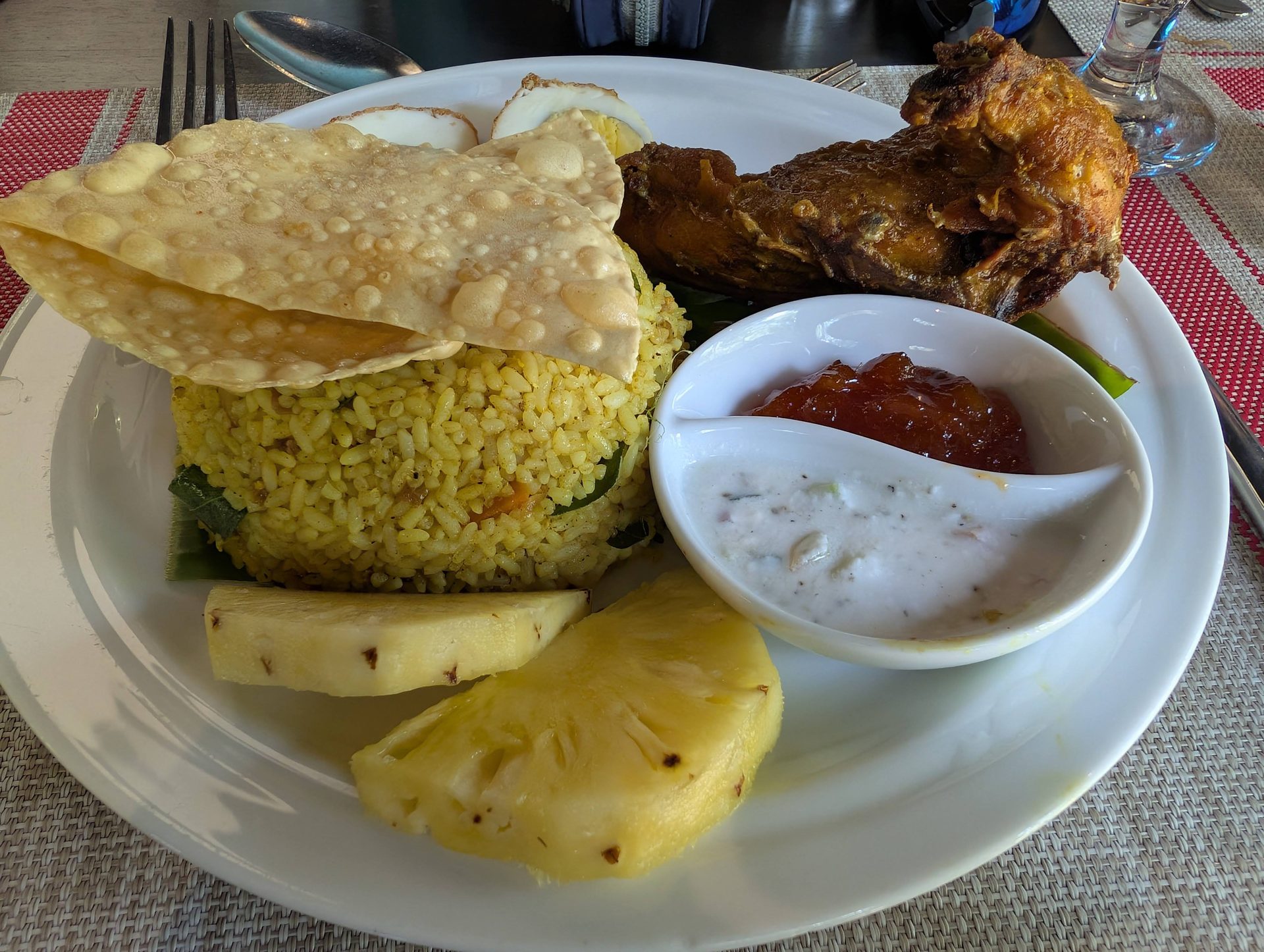
- What we paid: roughly $365 to $400 for two nights in a Deluxe Plus room, full board.
- Allergies: the staff handled our son's allergies well at every meal.
- Best for: families who want space, a good pool and easy included meals close to Sigiriya.
Day 2: Climbing Sigiriya Rock
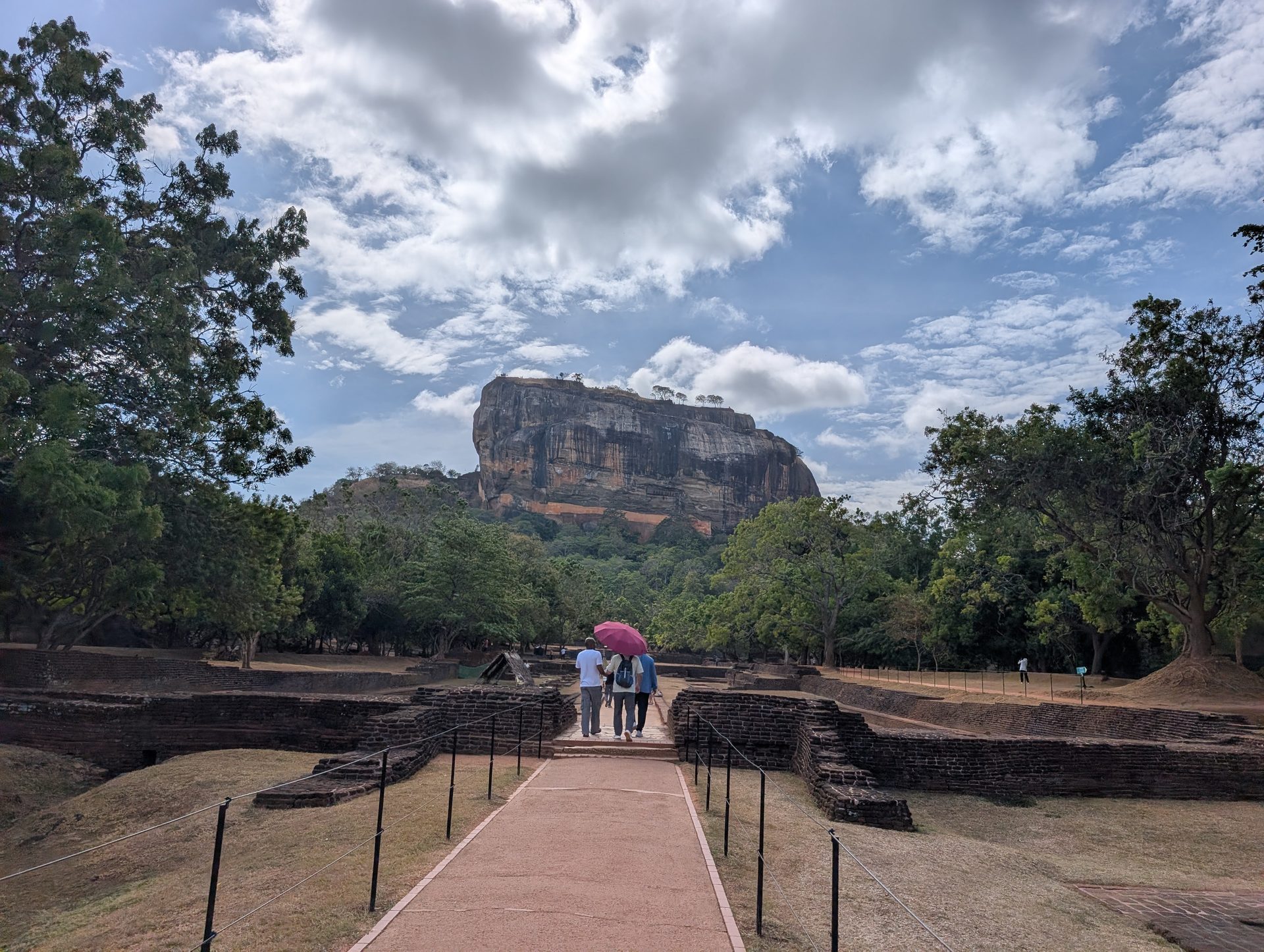
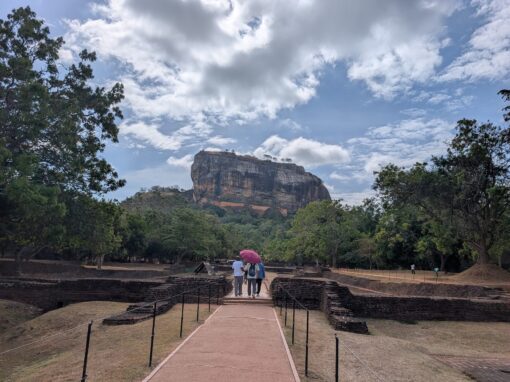
Sigiriya, also called Lion Rock, is the reason most people come to the Cultural Triangle, and it was the highlight of our entire Sri Lanka trip for us. In the late 5th century, King Kashyapa built a palace on top of this rock, which rises about 180 meters above the plain. He surrounded it with water gardens, boulder gardens and moats. It is a UNESCO World Heritage Site, and the climb is about 1,200 steps.
Tickets, Timing and What to Expect
- Tickets: as of October 2026, the Central Cultural Fund lists USD 35 for foreign adults and USD 20 for children aged 6 to 12 and SAARC nationals. Children under 6 are free under the Central Cultural Fund ticket categories. Prices are charged in rupees at the day's rate. Sri Lankans pay a nominal rupee fee, which is what we paid. You can buy at the ticket office or online through the Central Cultural Fund.
- Hours: the gates open around 6:30 to 7 a.m. and close at 5:30 p.m. Ticket counters close at 5 p.m.
- Go early. We started at about 9 a.m. for practical reasons, and by then it was hot and crowded. If you can, be at the gate when it opens.
- Time needed: we spent just under 3 hours, from the entrance to the summit and back down through the boulder garden.
- Guide: not needed. Signs and plaques explain the main sights. Our driver waited in the car.
The Water Gardens and the Climb
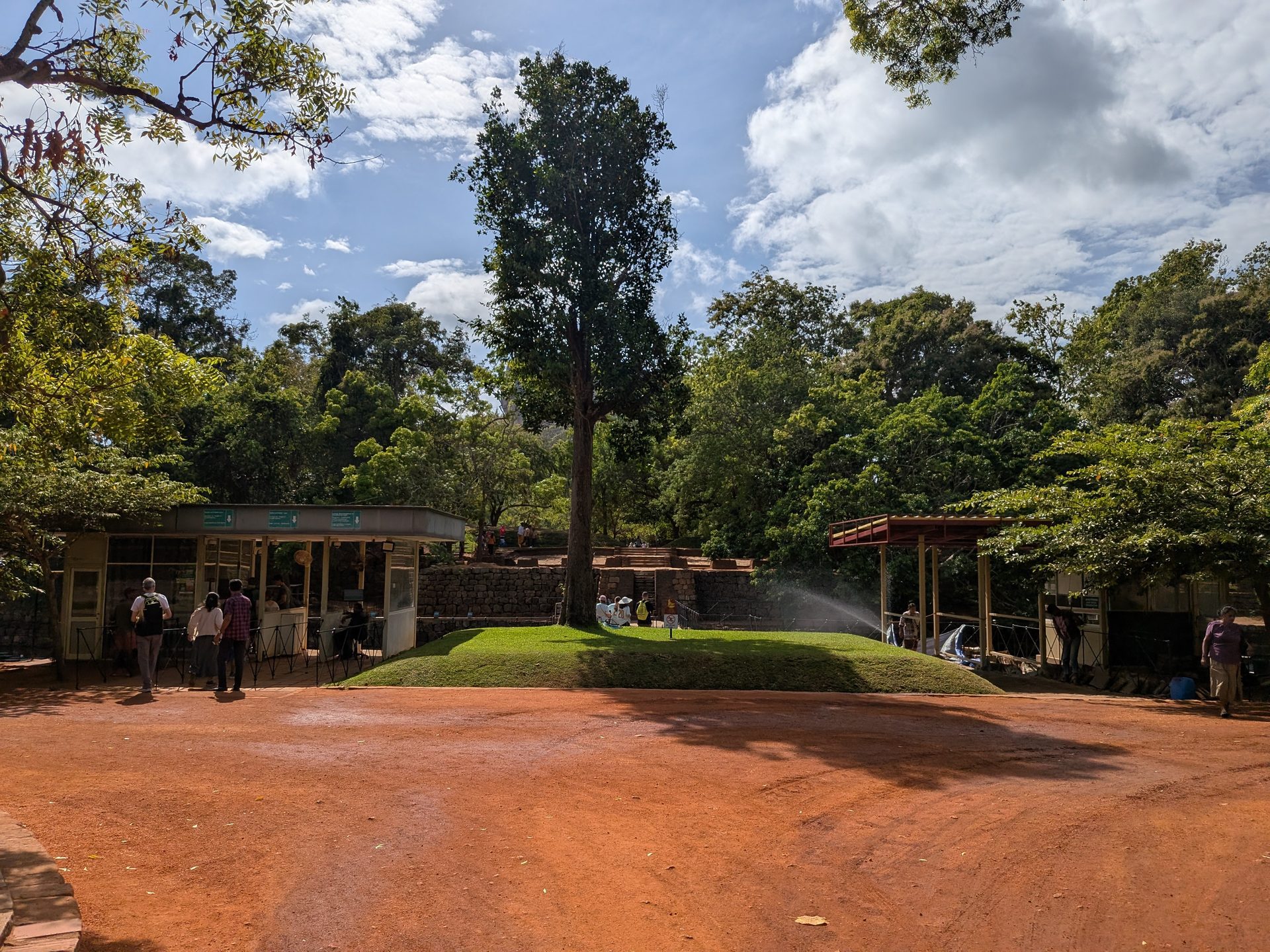
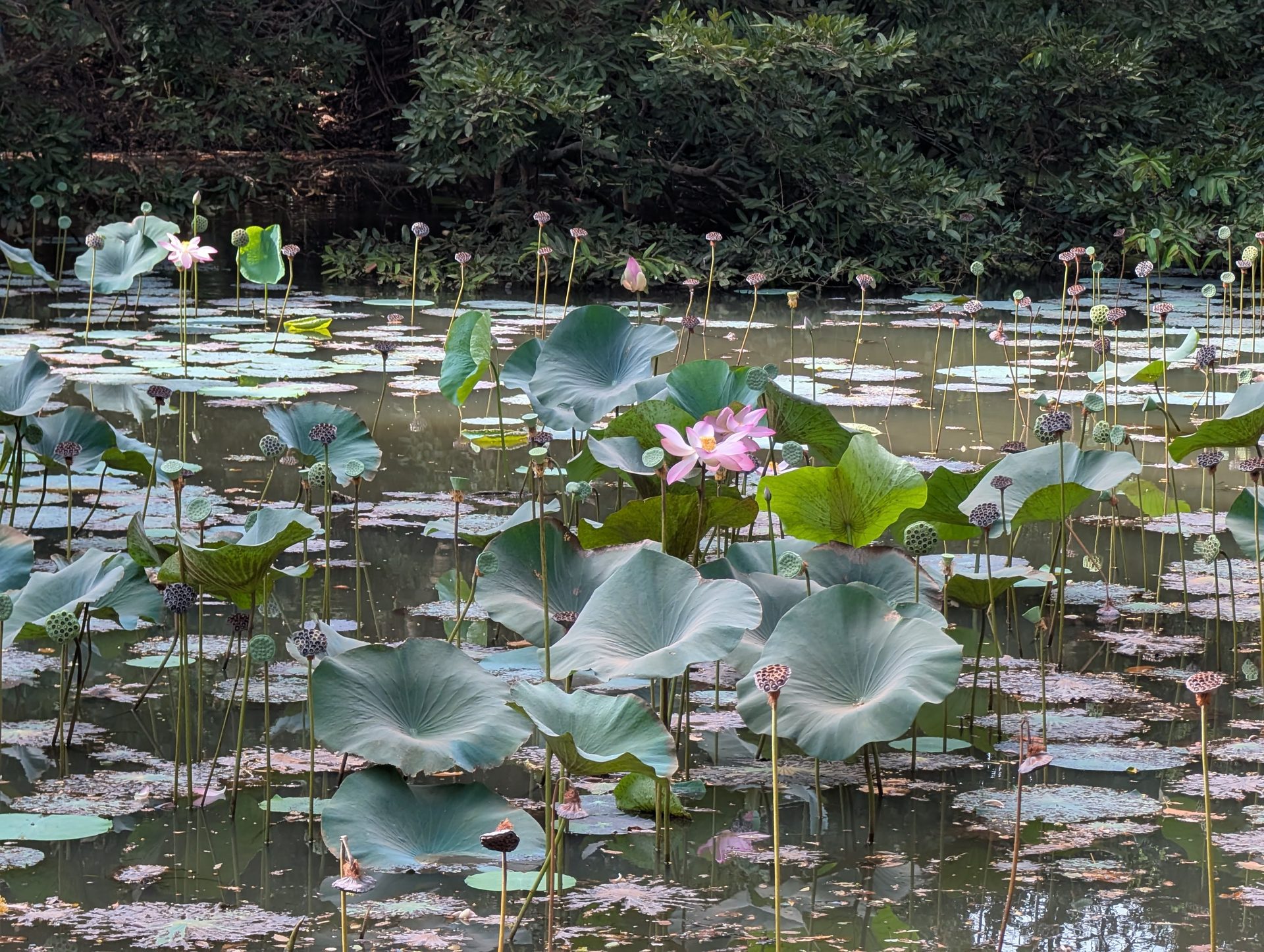
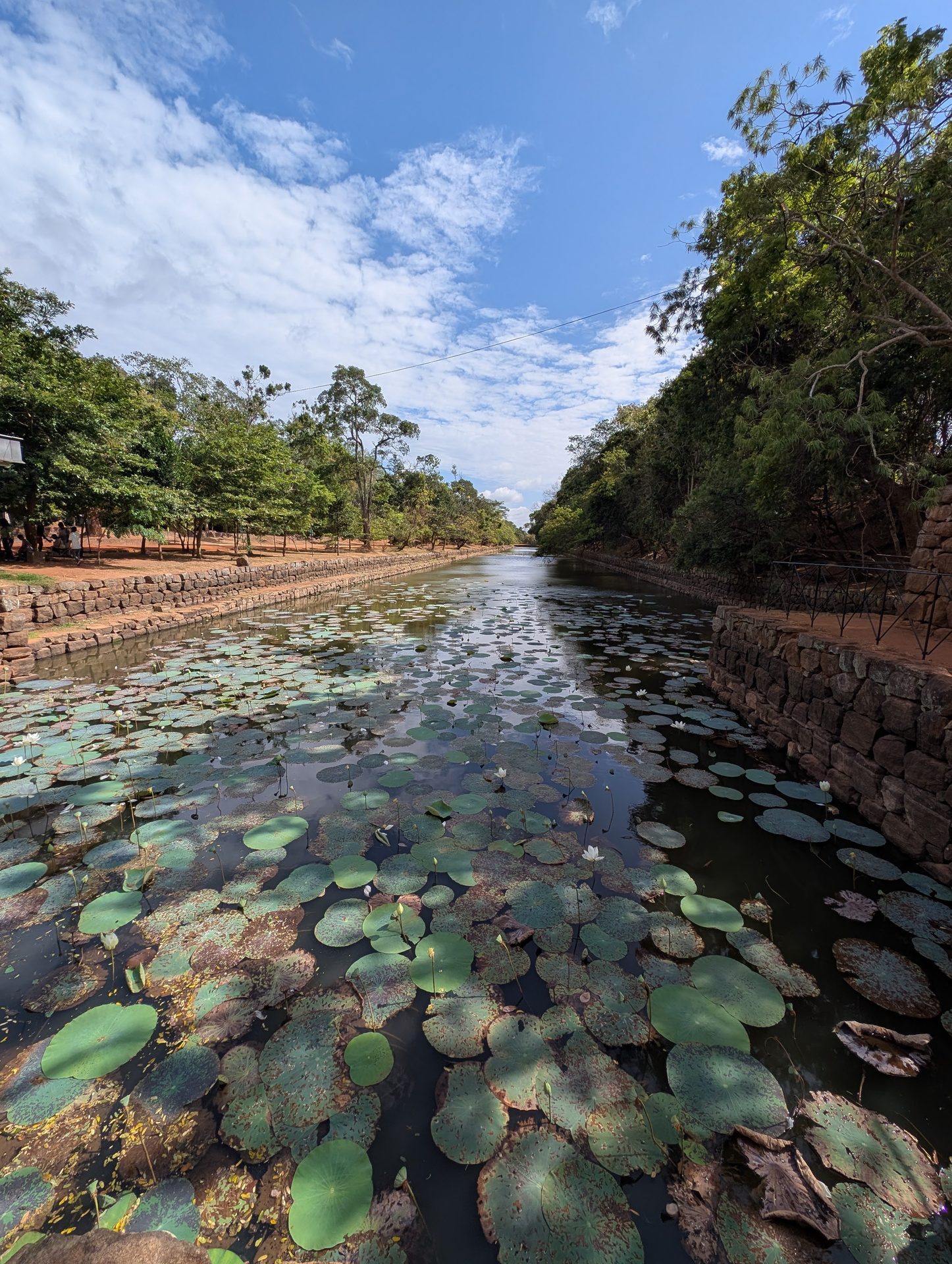
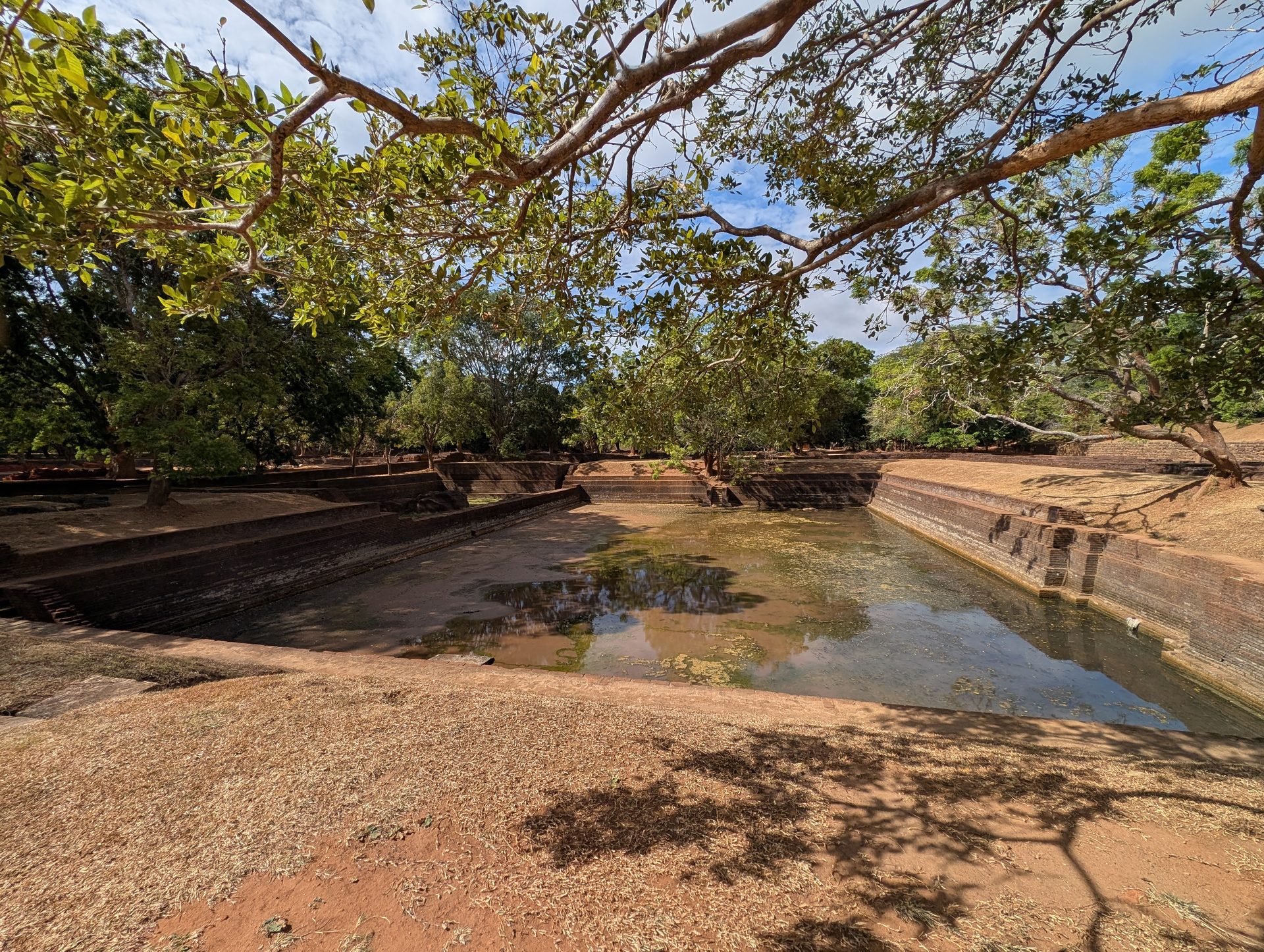
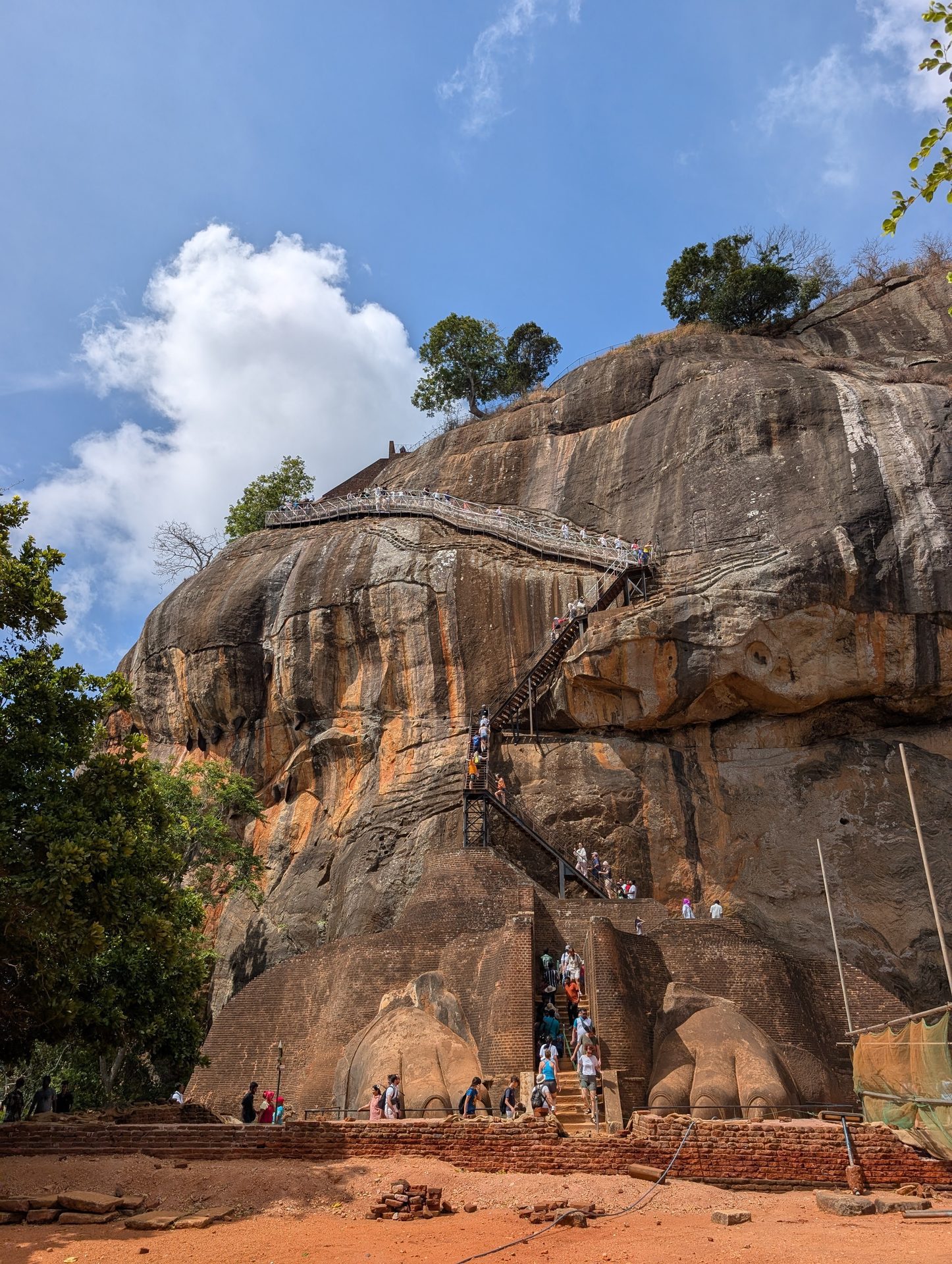
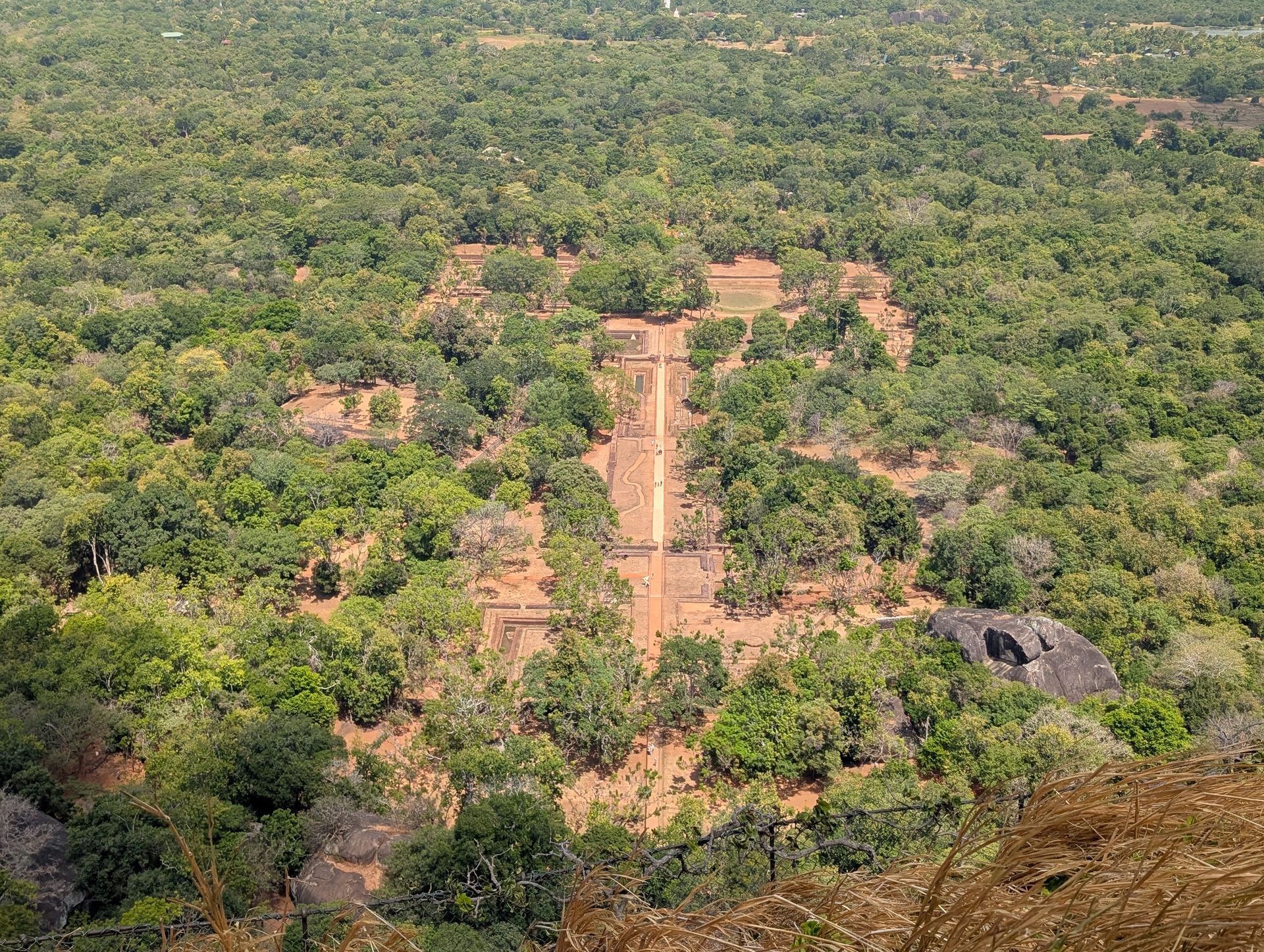
From the entrance, a straight path runs through the water gardens toward the rock. Then the climb starts with stone steps between huge boulders, followed by metal staircases bolted to the side of the rock. The steepest section is a spiral staircase up to the frescoes, painted figures of women in a sheltered pocket of the rock face. Photos of the frescoes are not allowed.
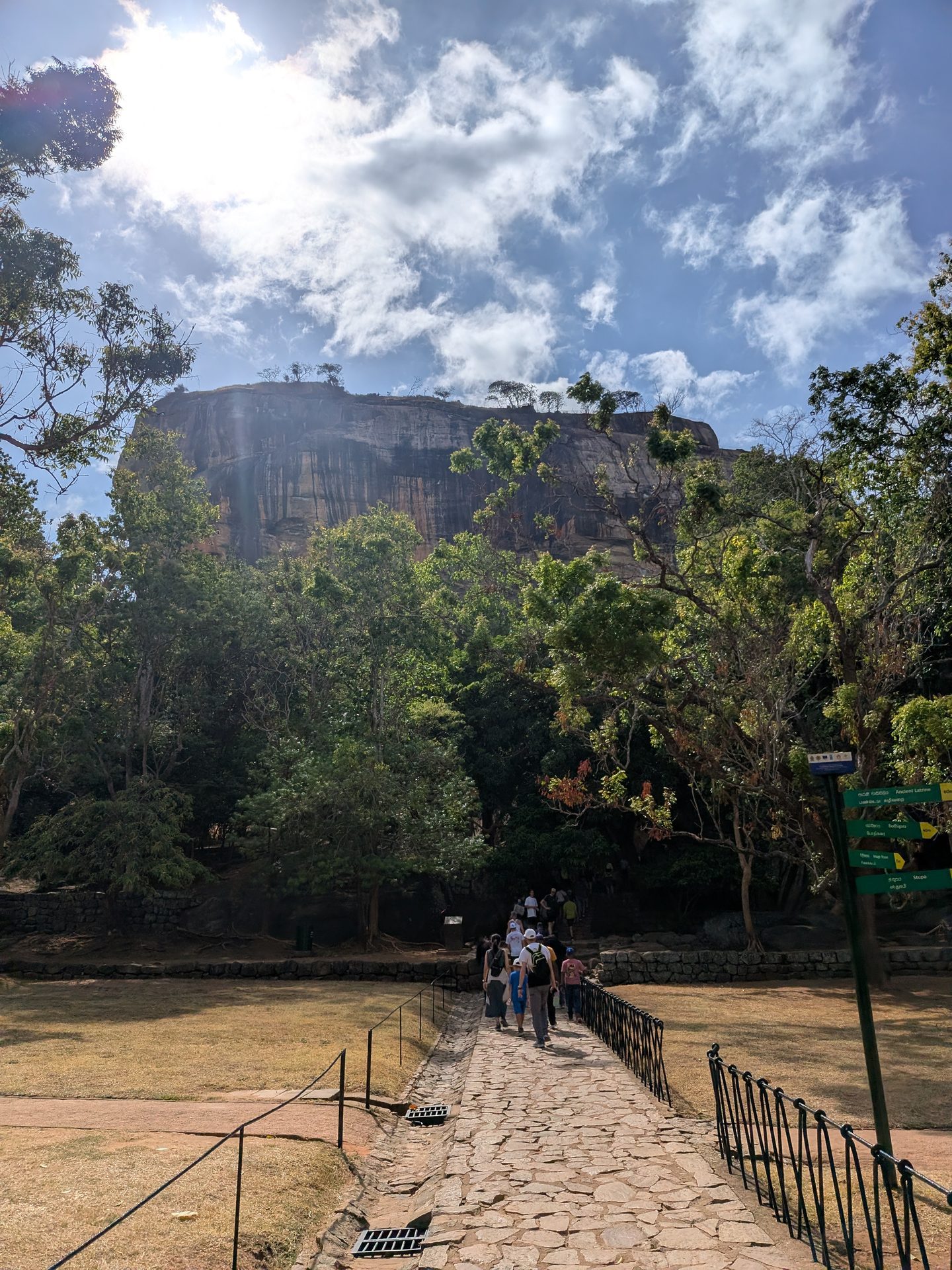
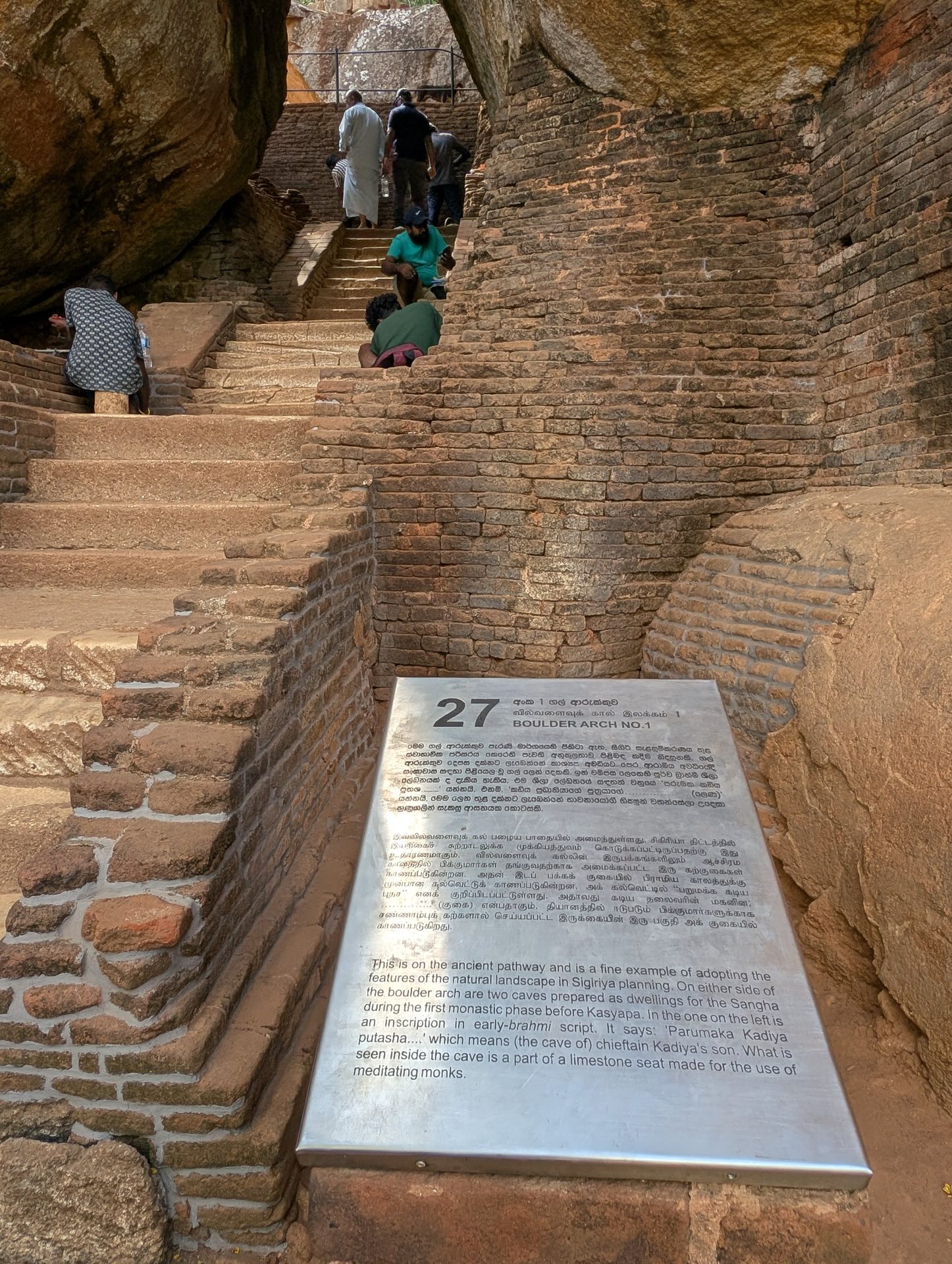
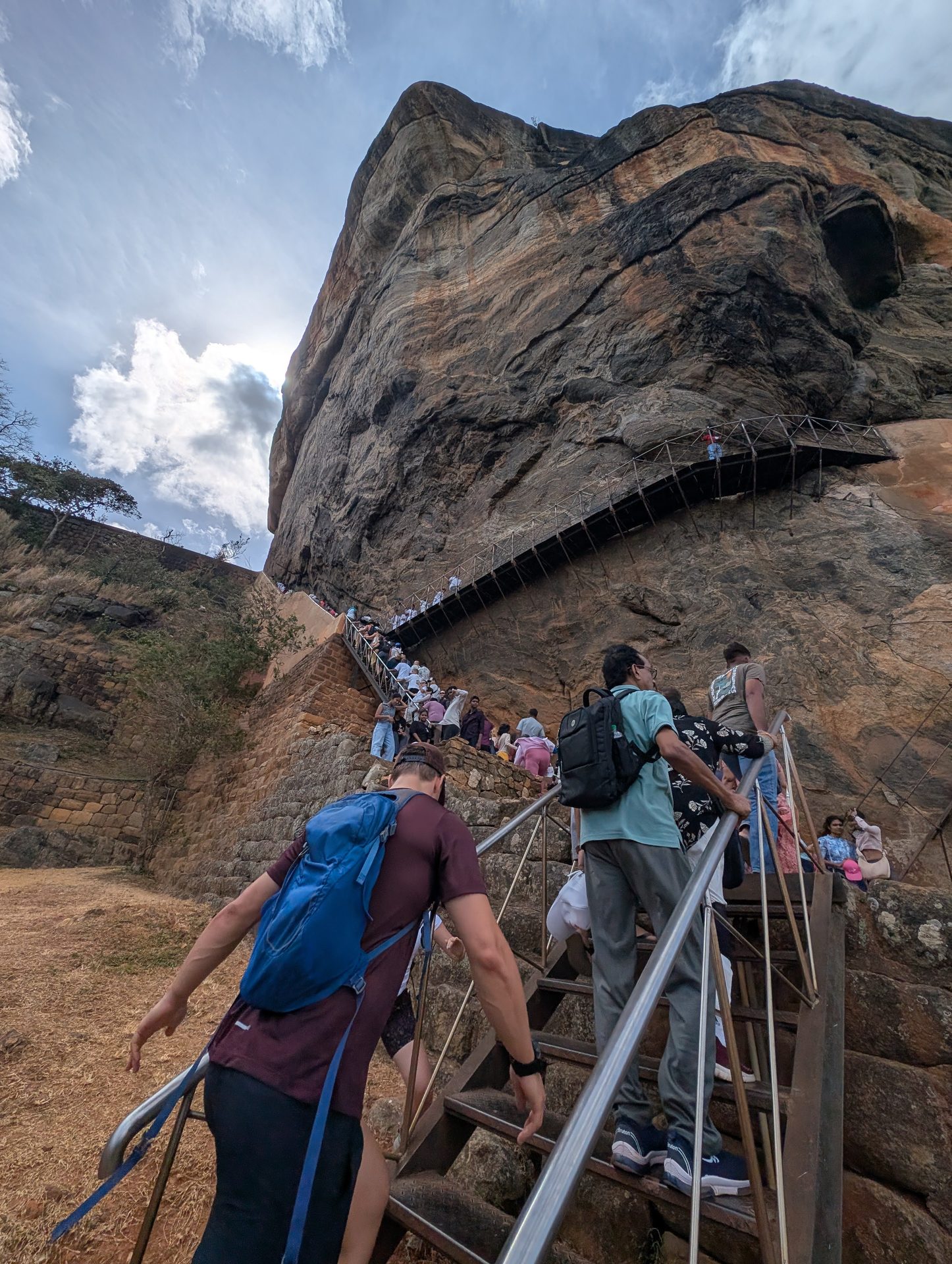
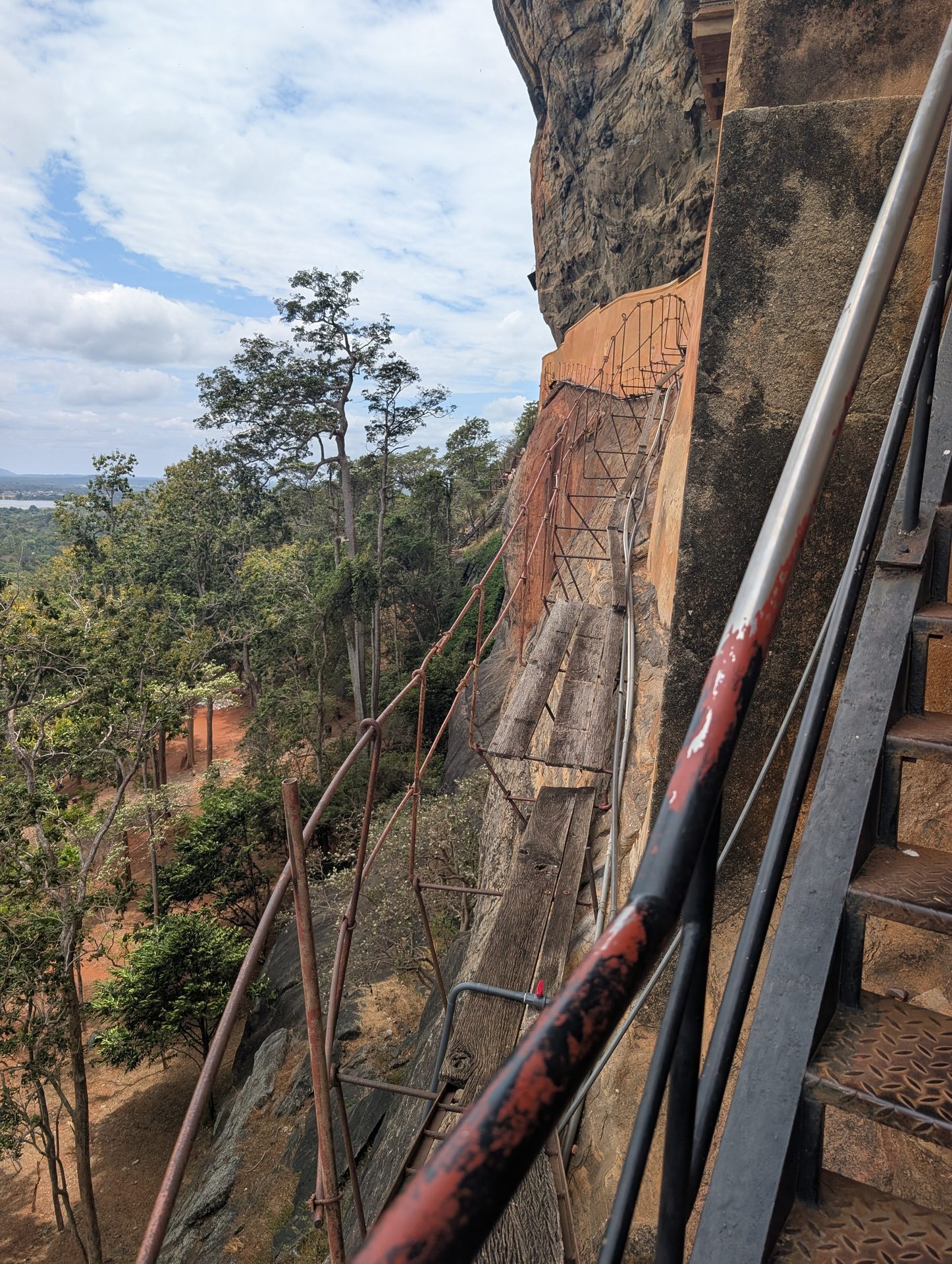
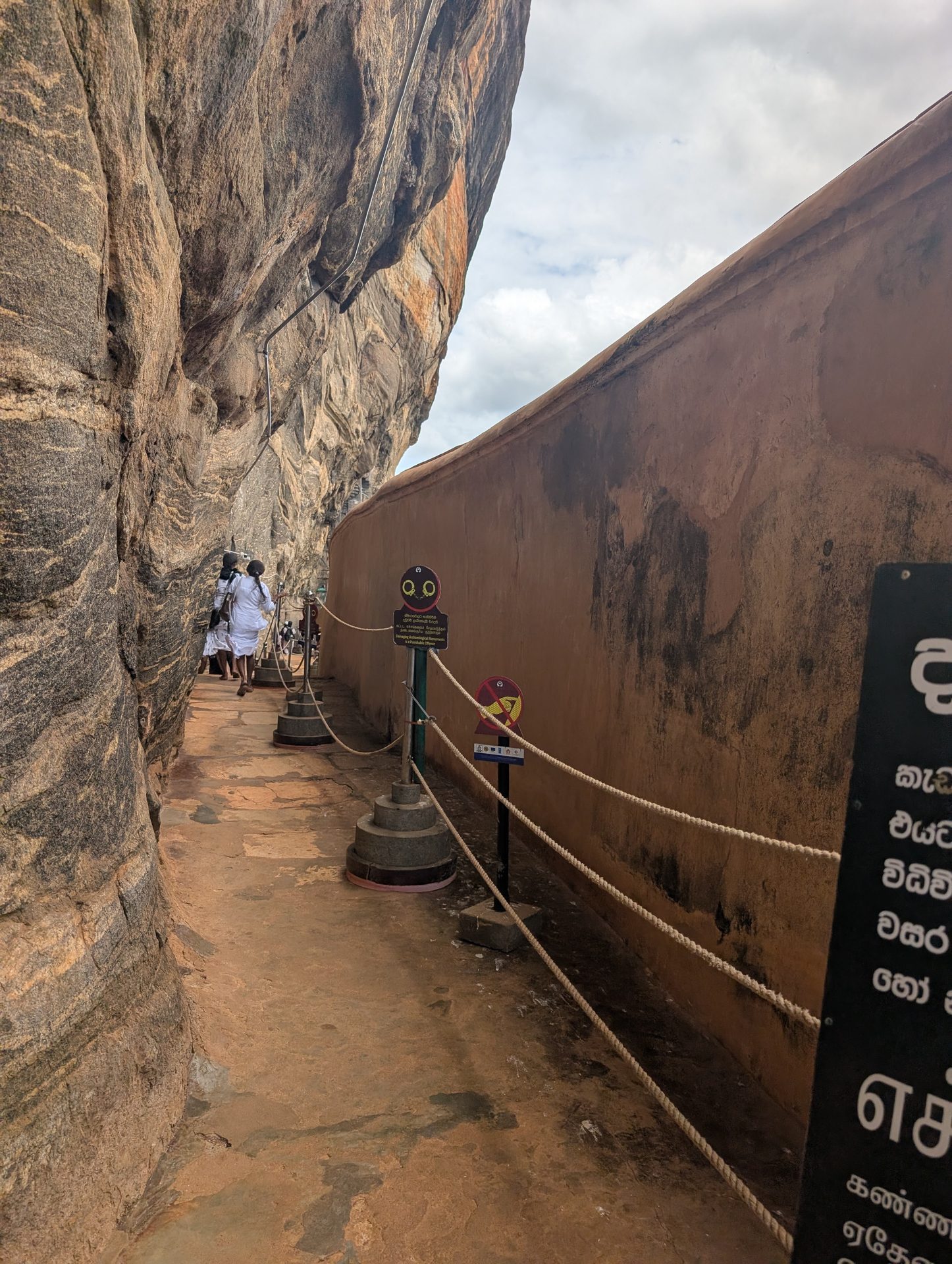
After the frescoes, the path follows the Mirror Wall, a long wall that was once polished so smooth you could see your reflection. Visitors scratched poems into it more than a thousand years ago, mostly between the 8th and 10th centuries. Adding anything now is strictly banned. It leads to the Lion's Paw terrace, where two giant carved paws mark the last staircase to the top.
The Summit
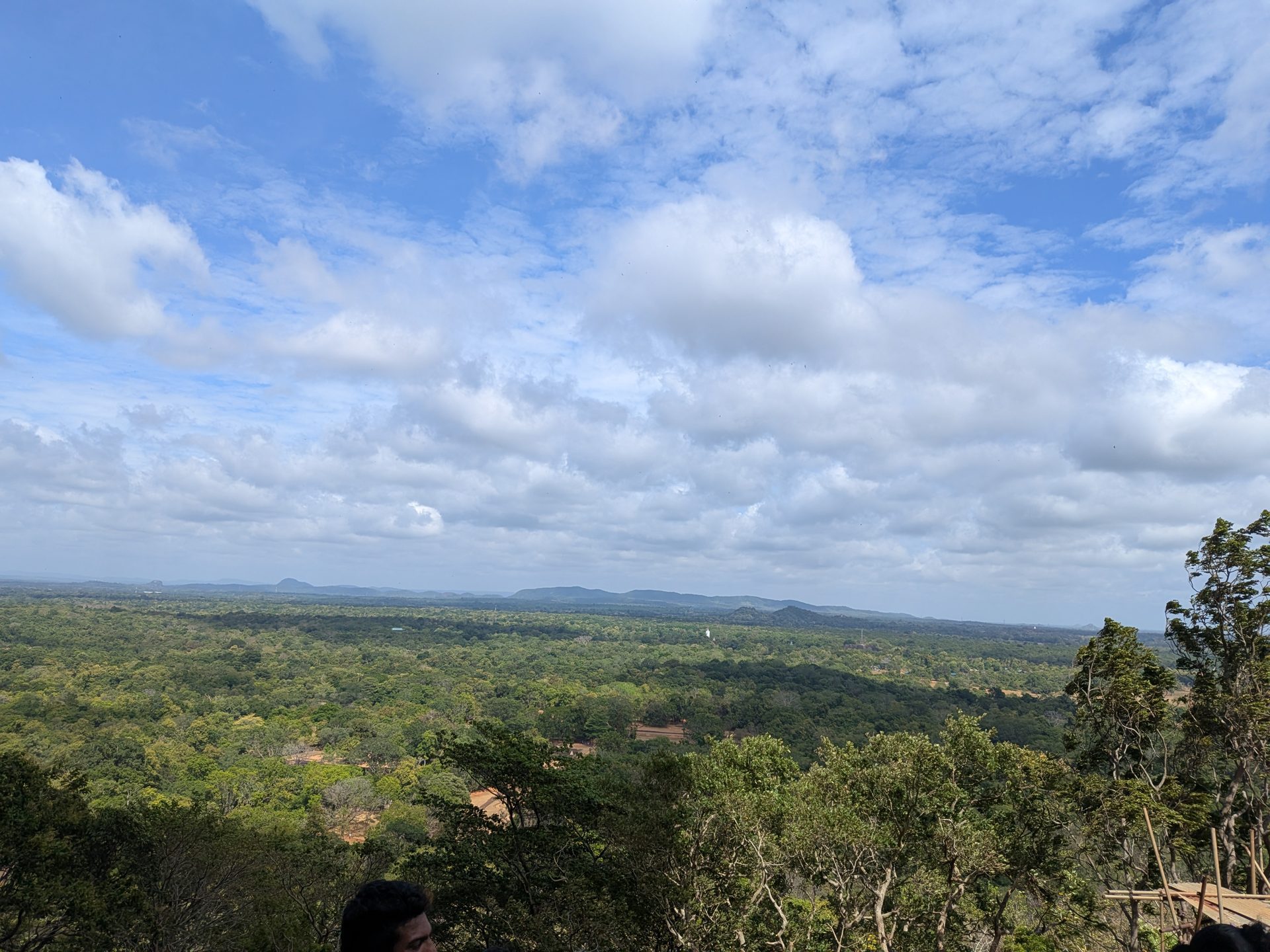
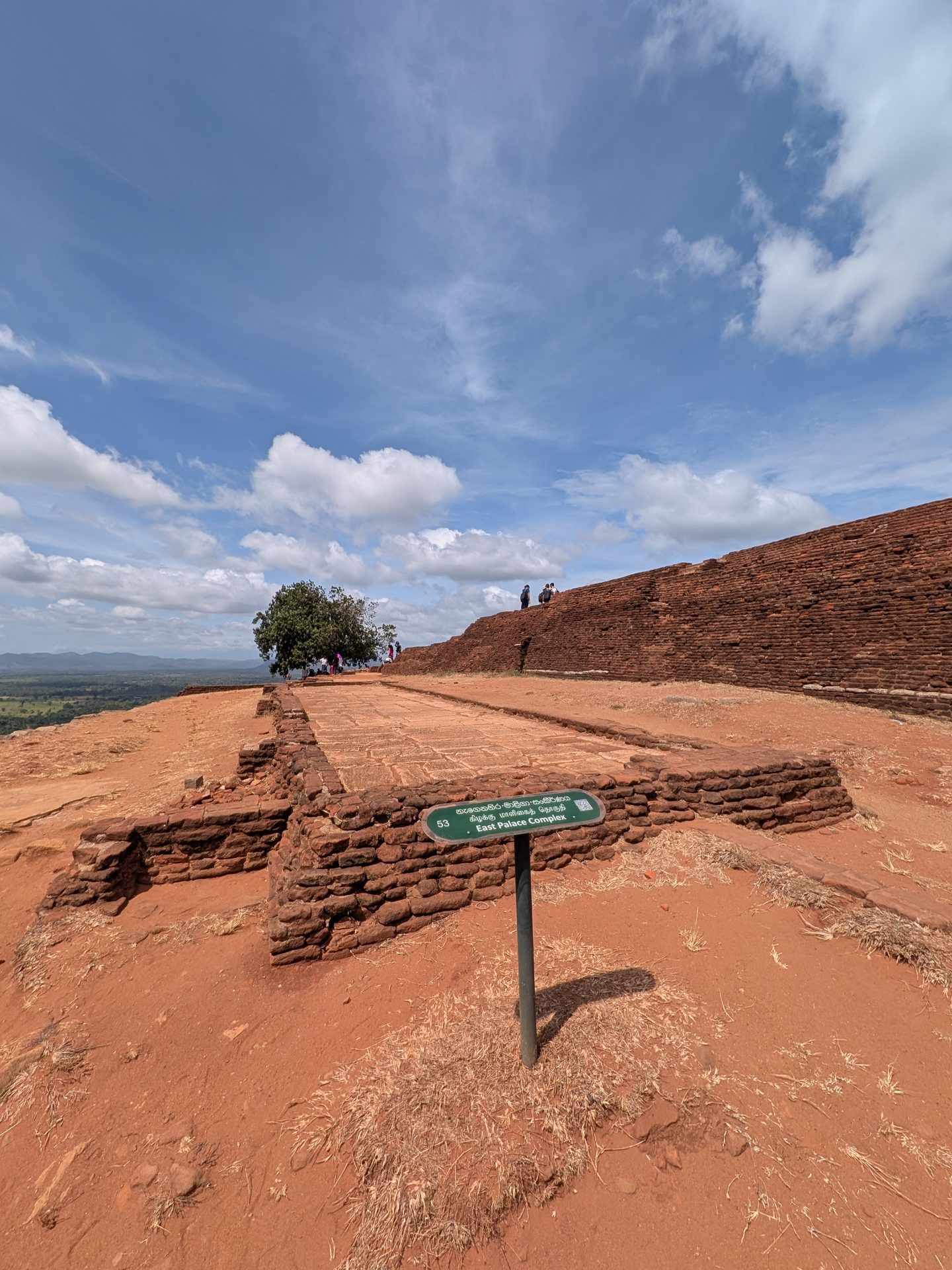
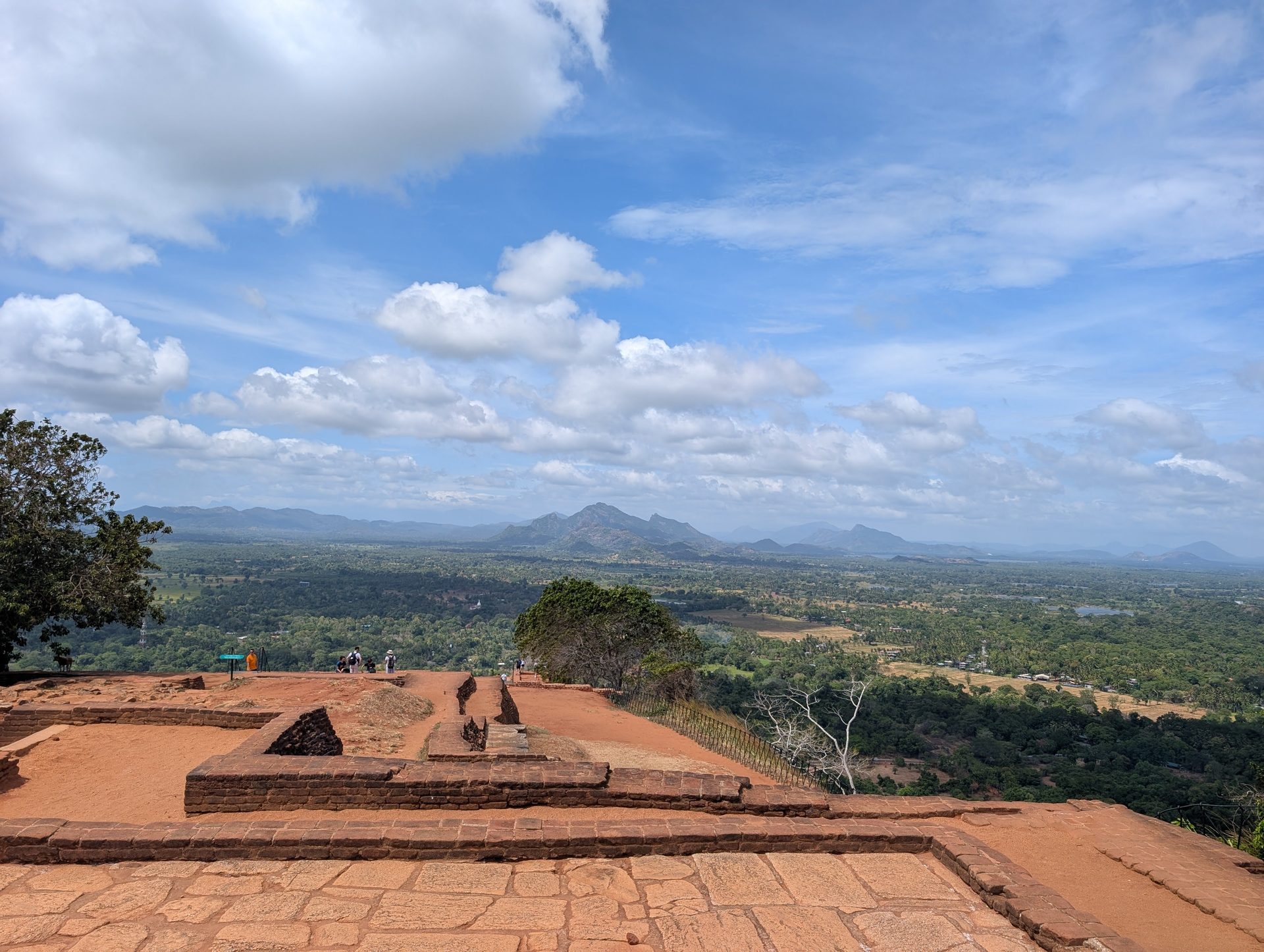
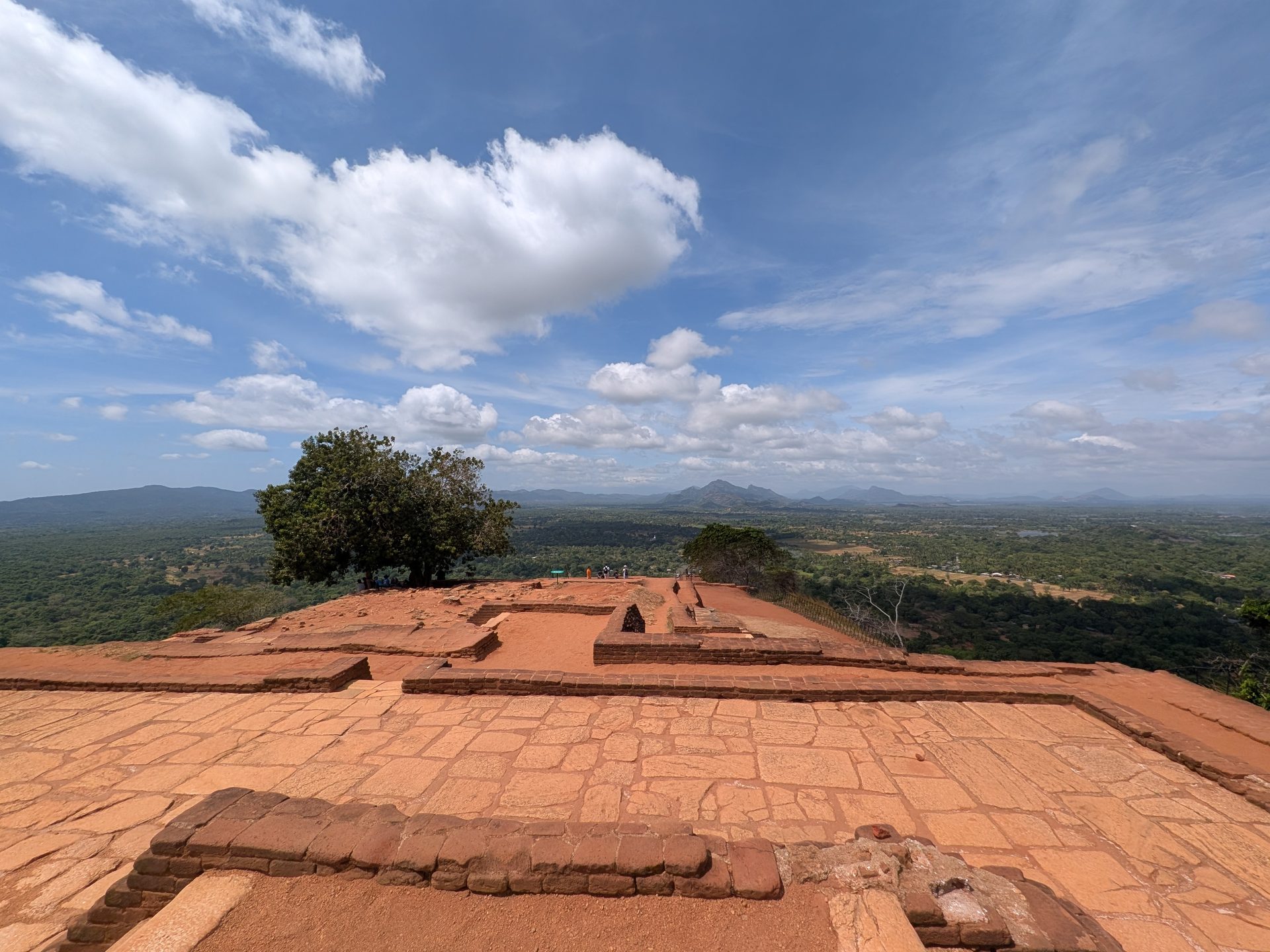
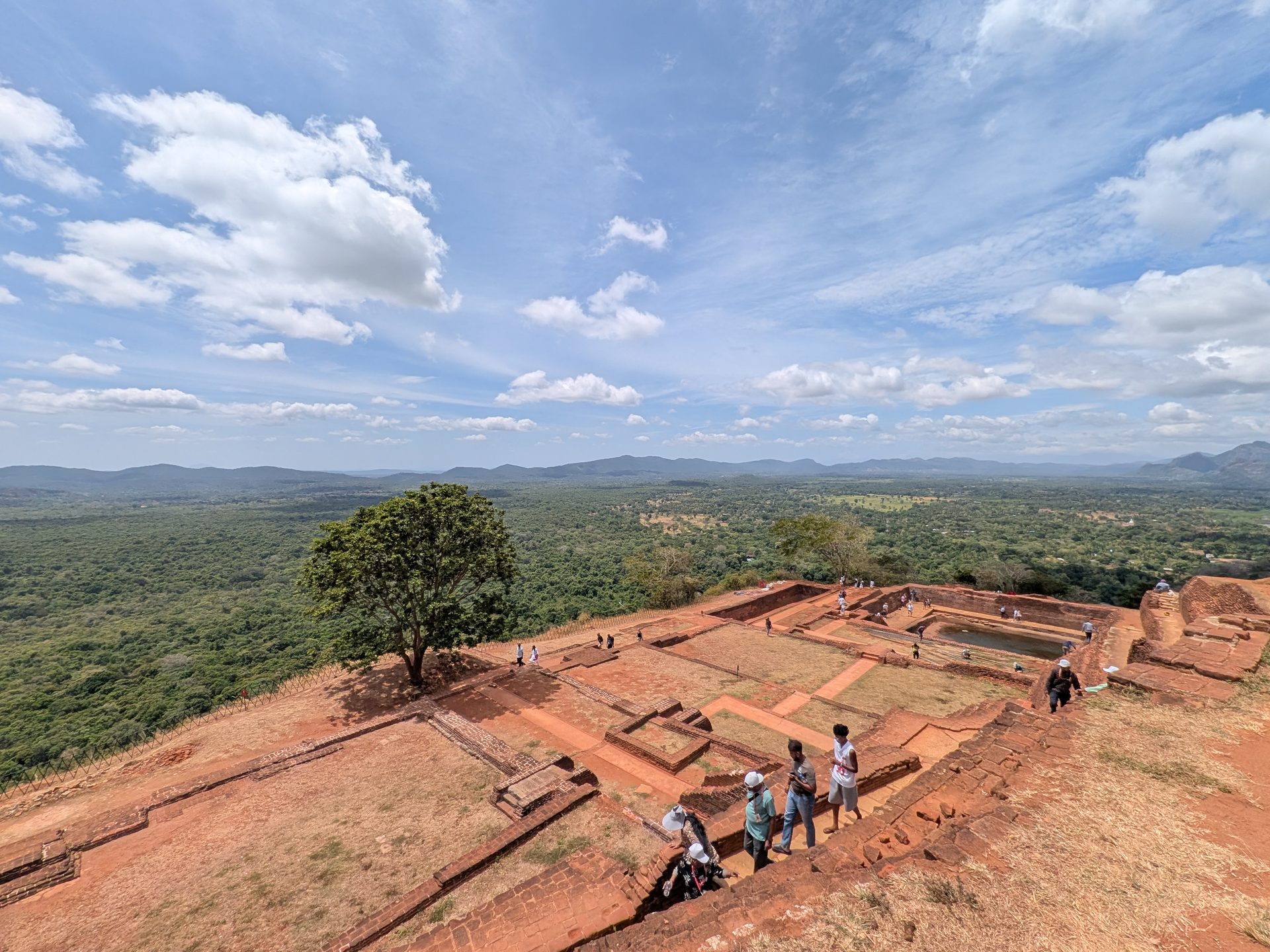
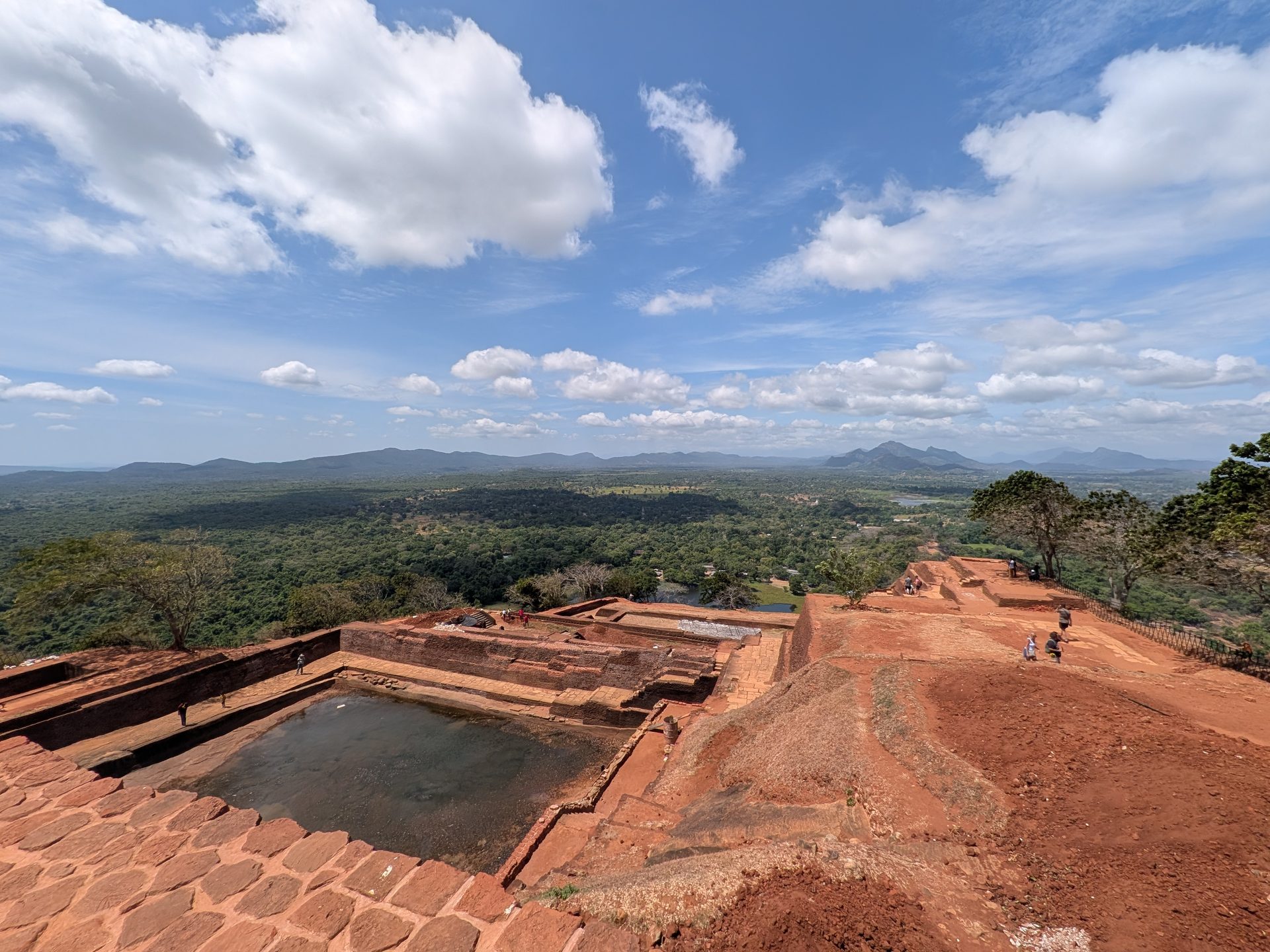
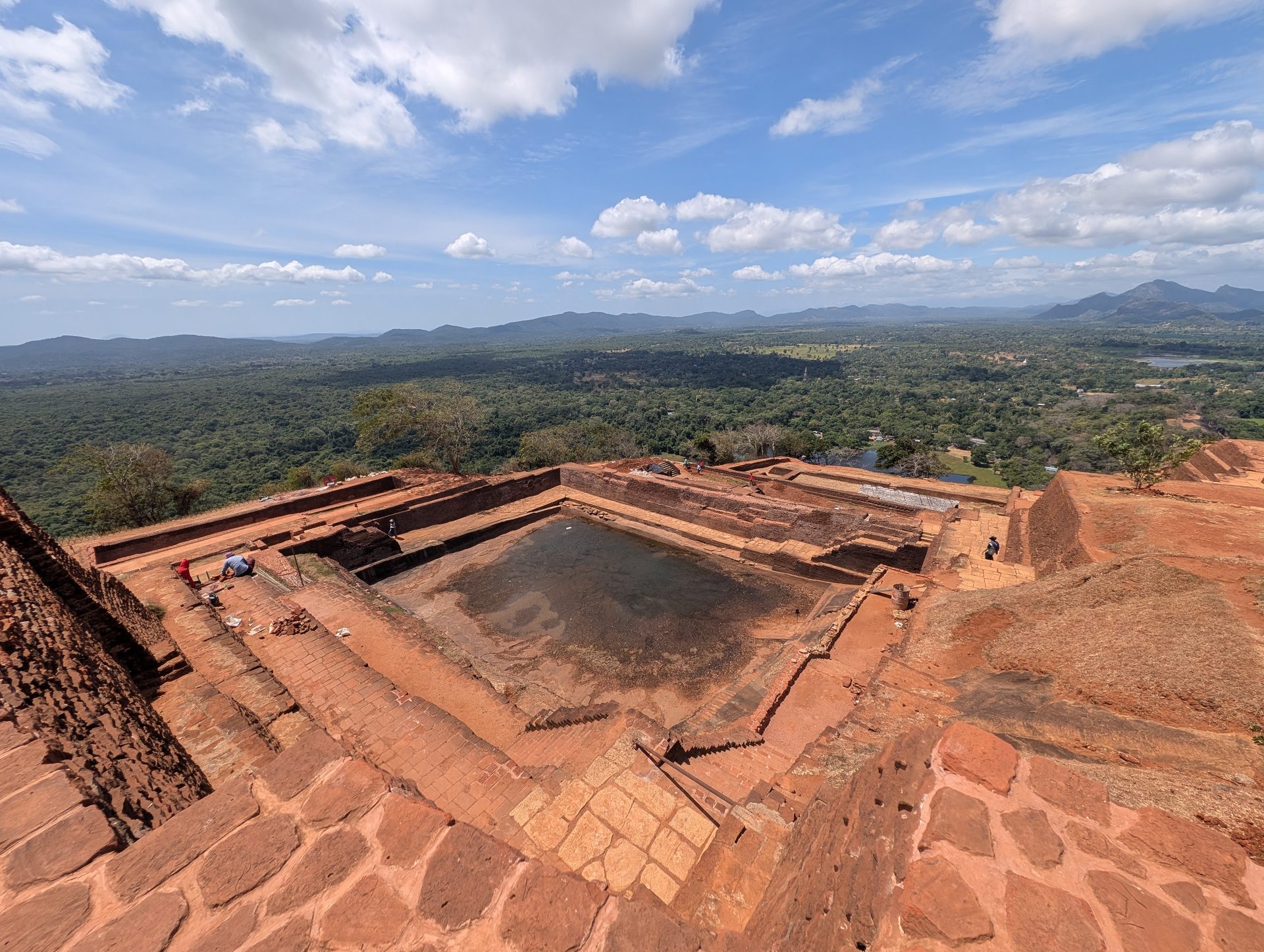
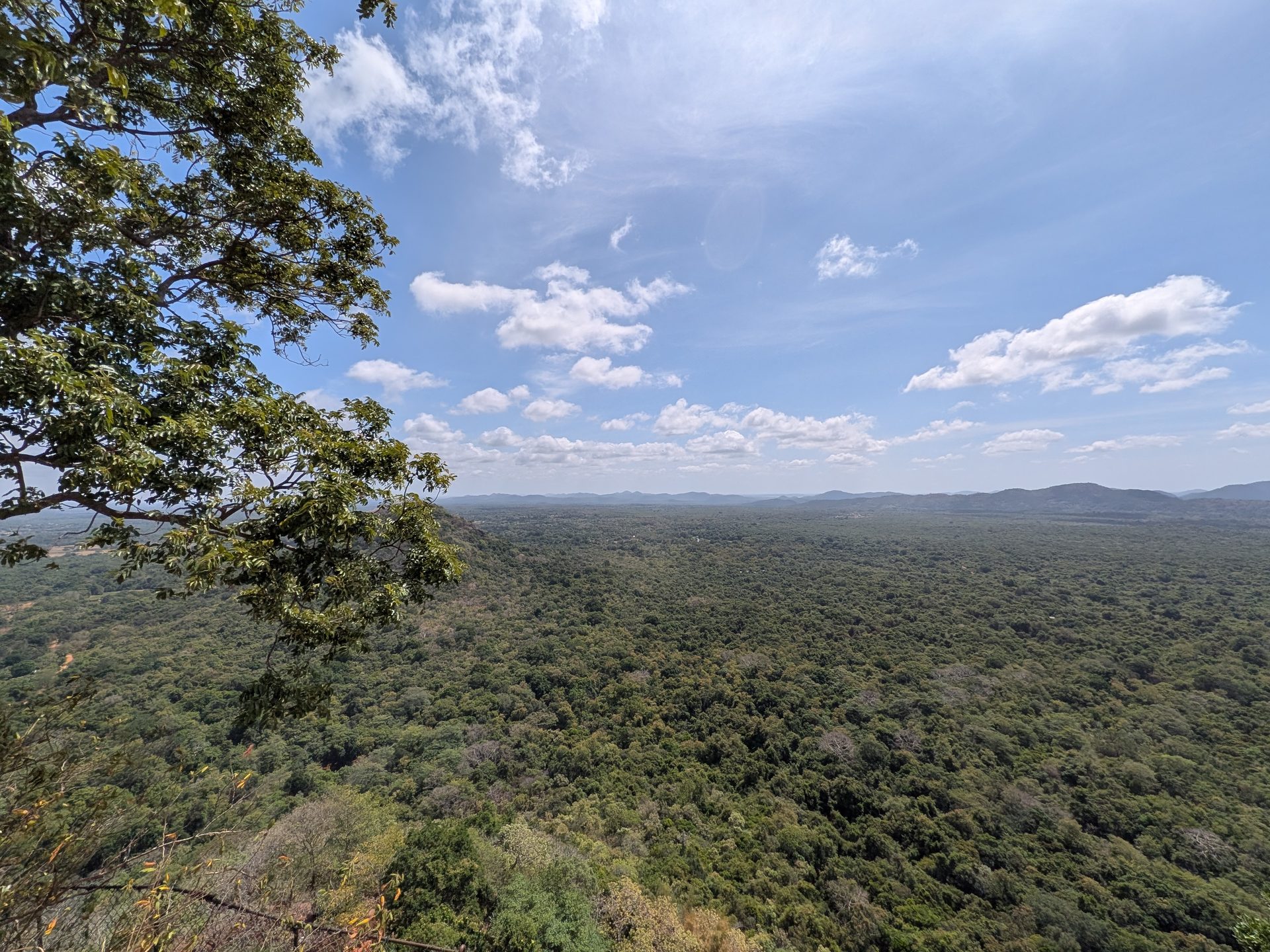
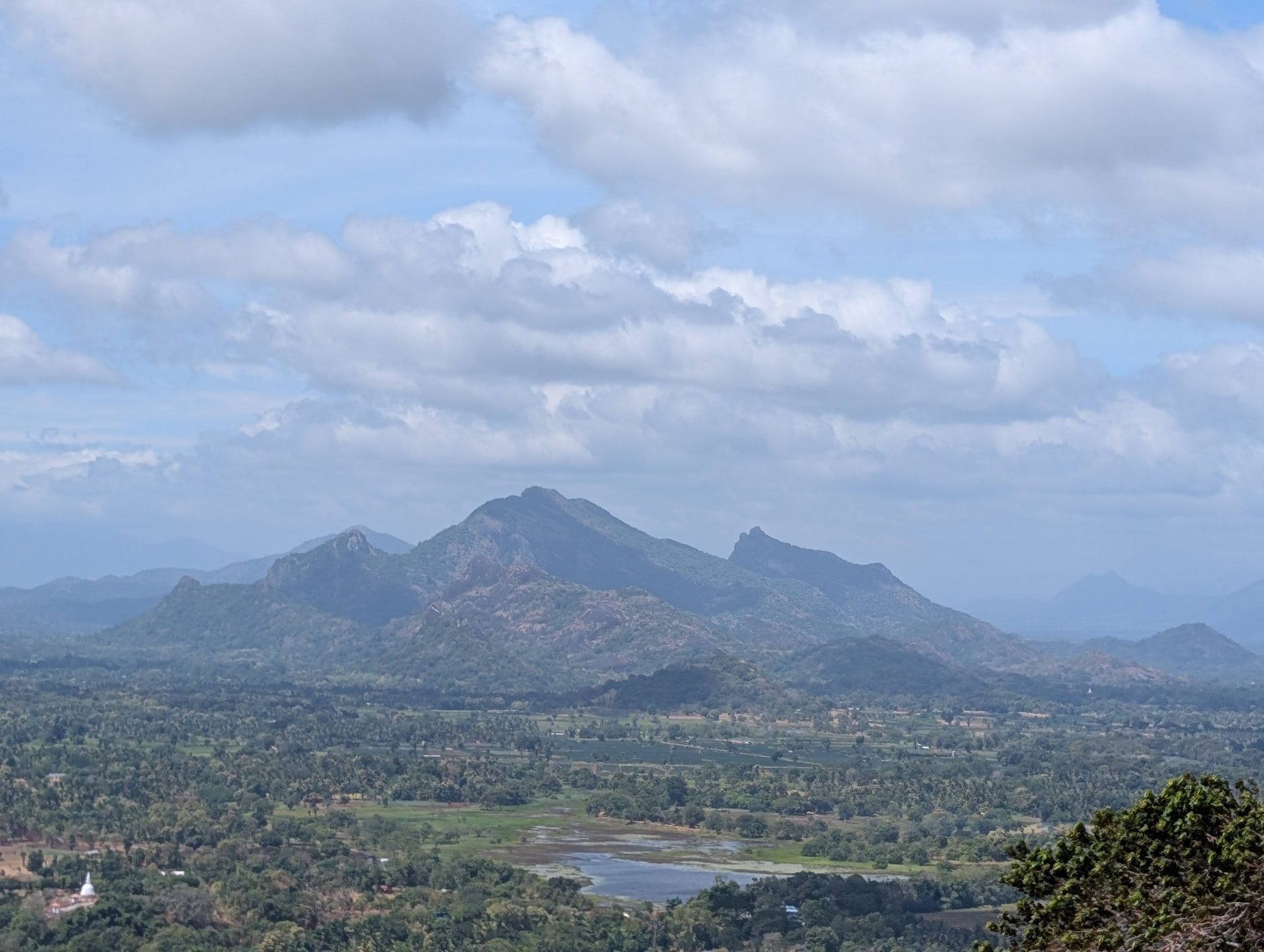
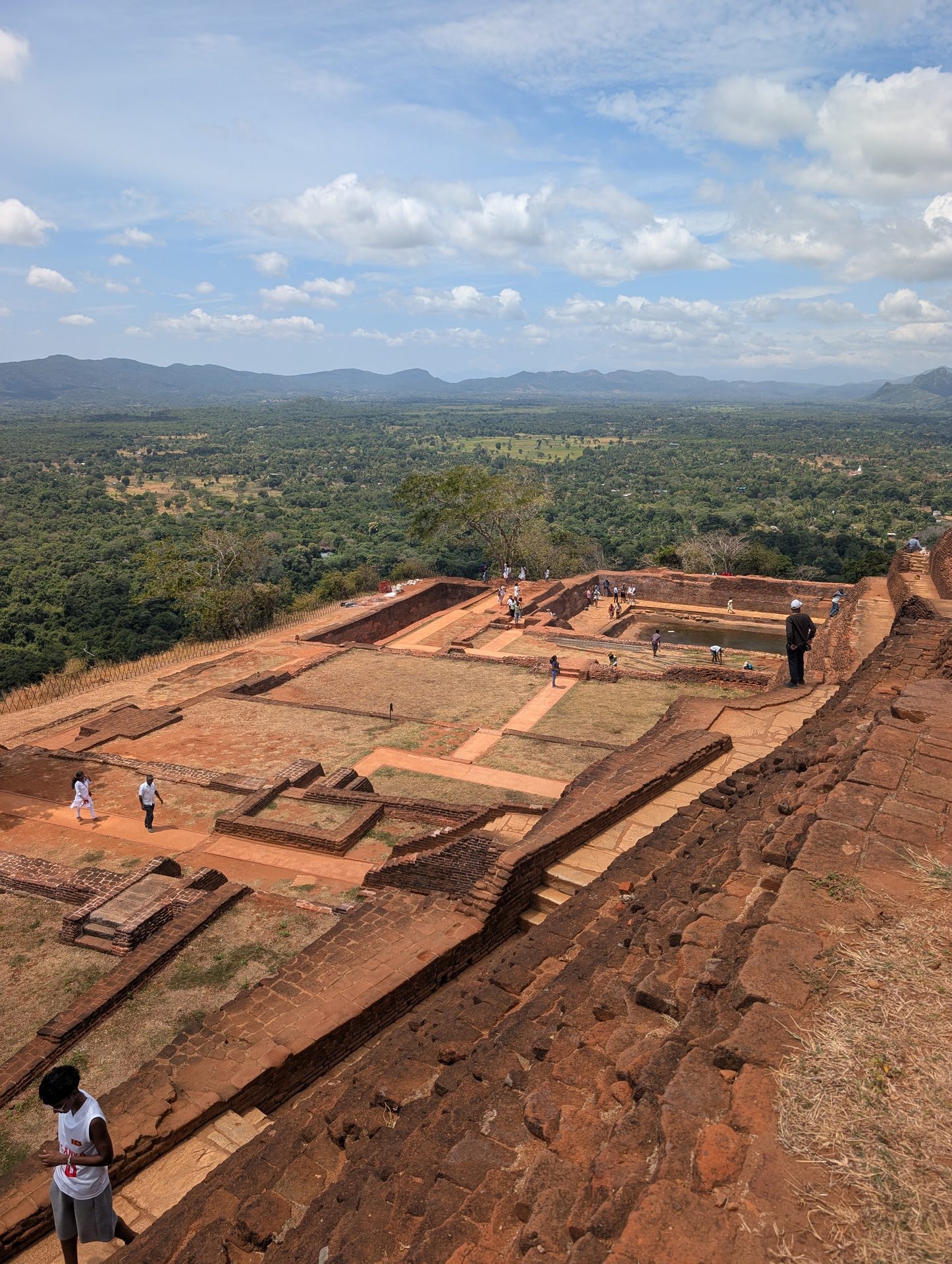
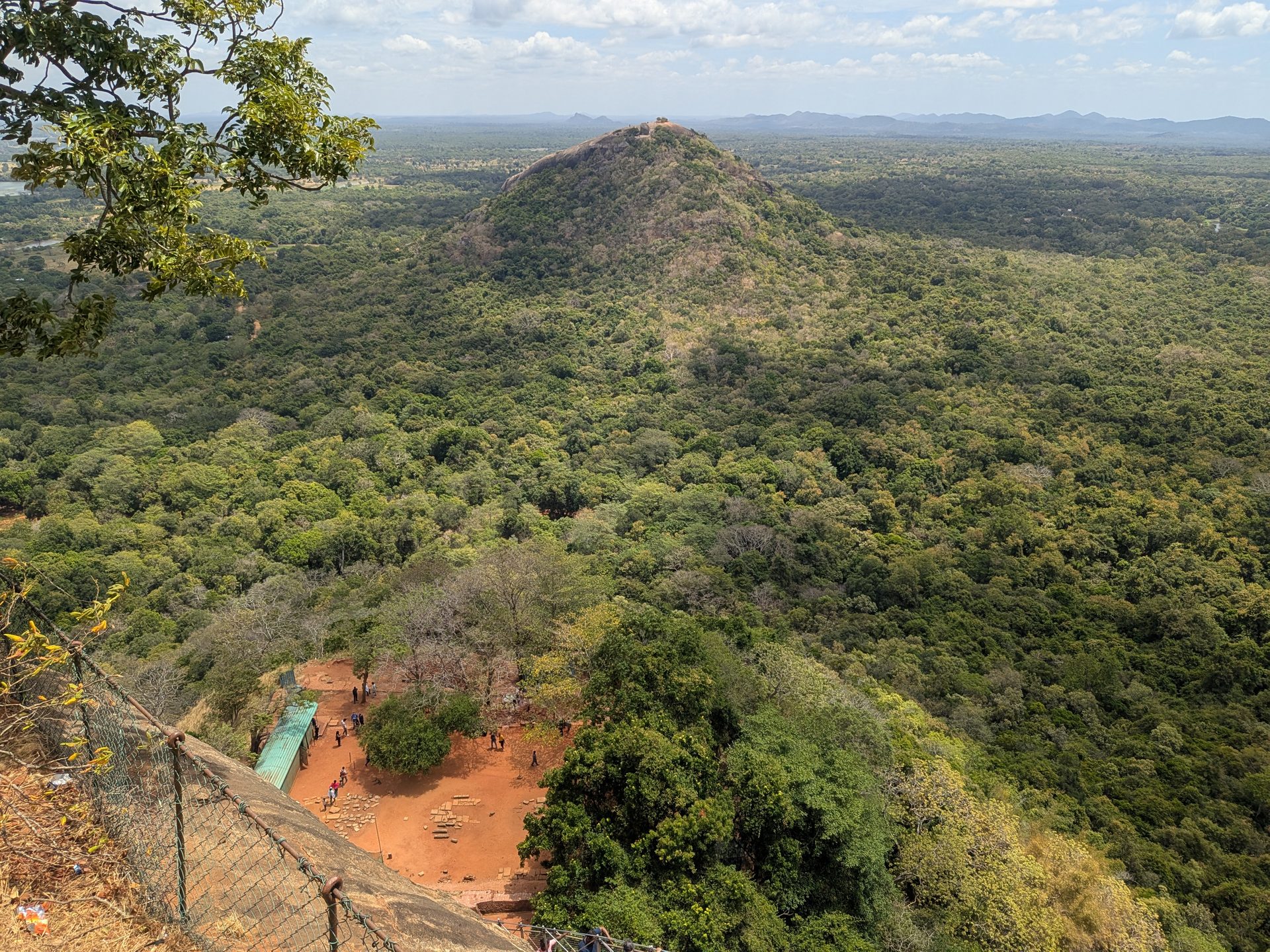
The top is much bigger than you expect. It is covered in the brick foundations of the palace, terraces, and a large rock-cut pool that still holds water. The views go in every direction: jungle to the horizon, mountains in the distance, and the long straight line of the water gardens directly below.
Coming Down and the Boulder Garden
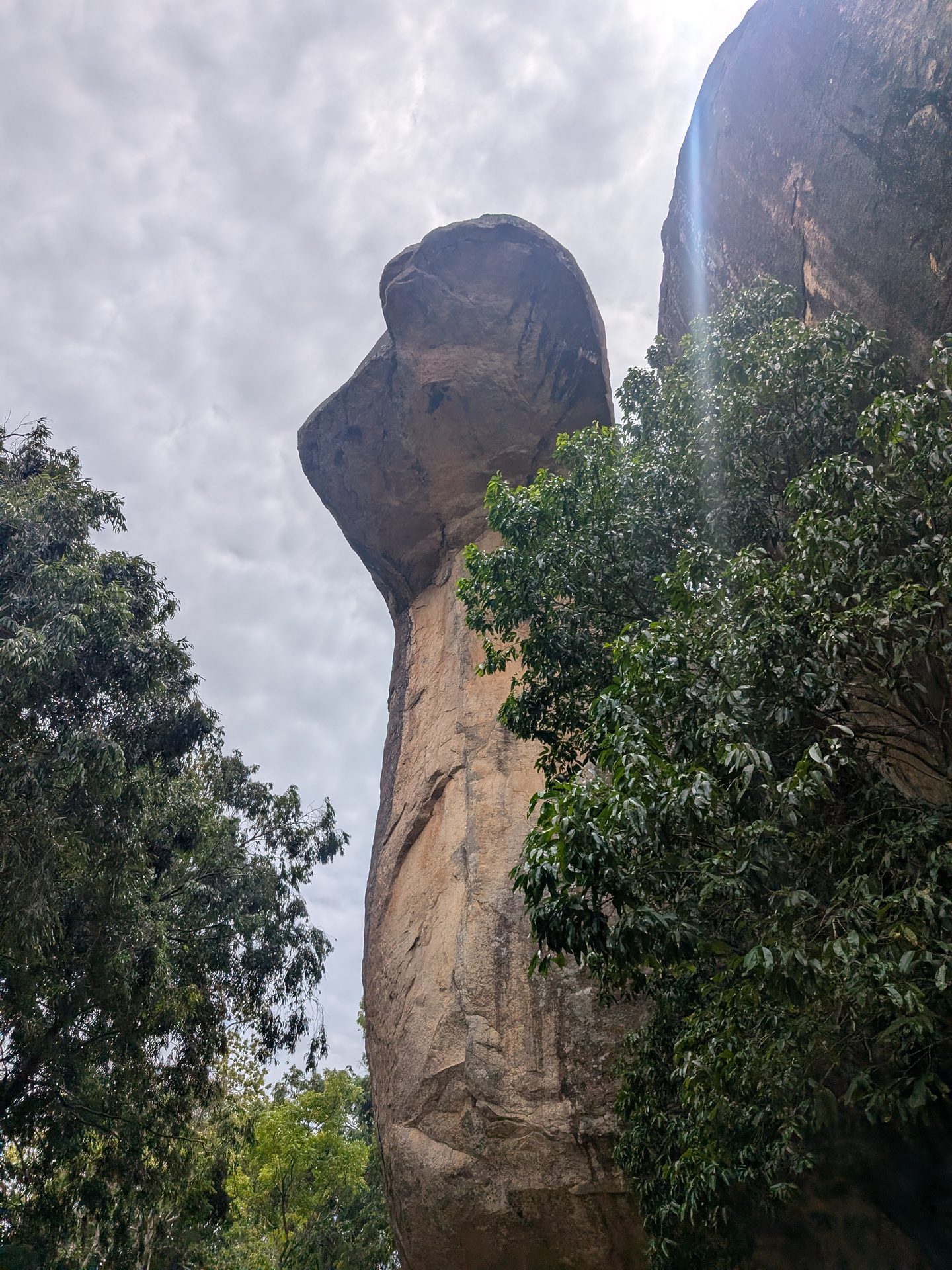
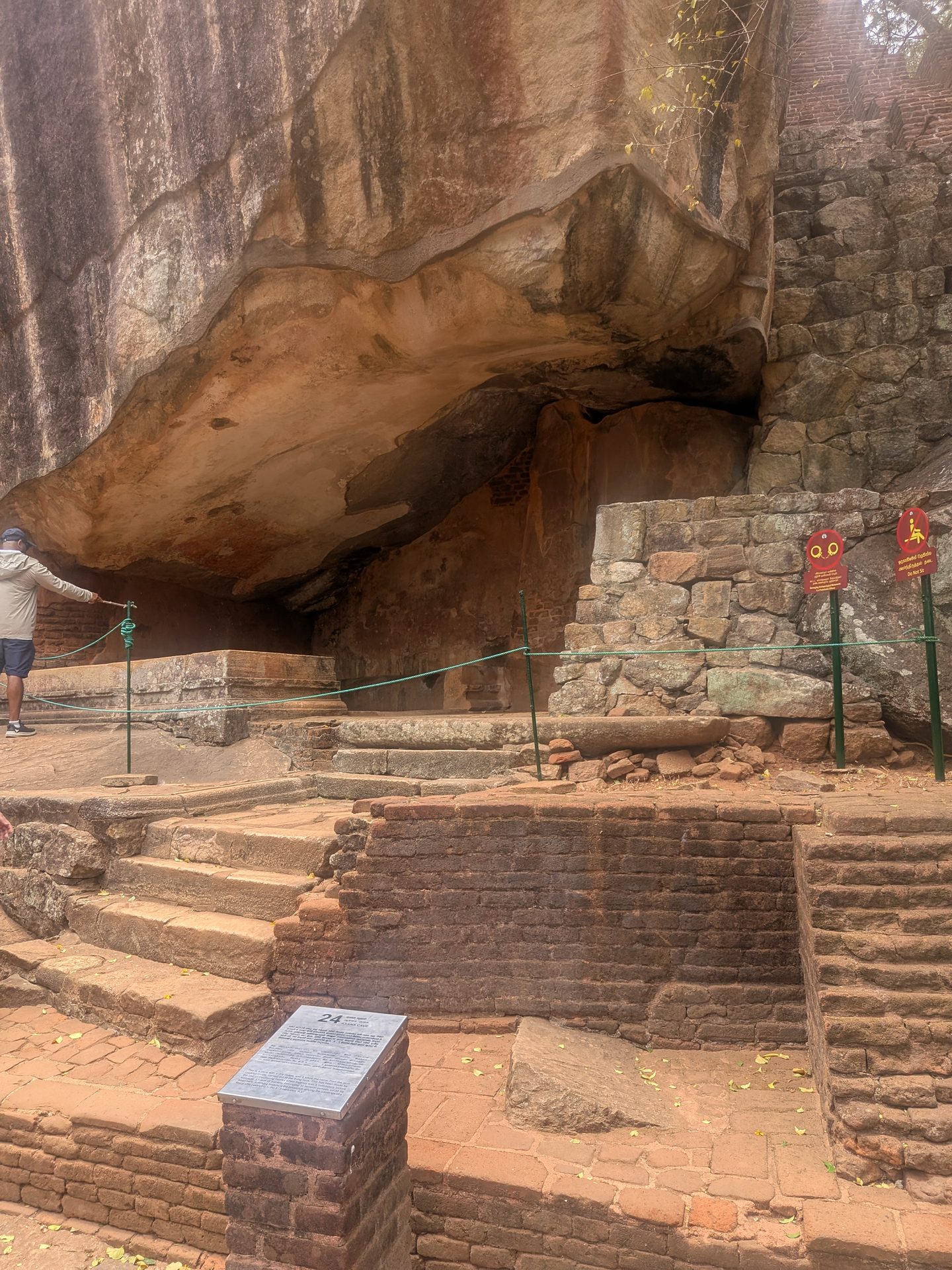
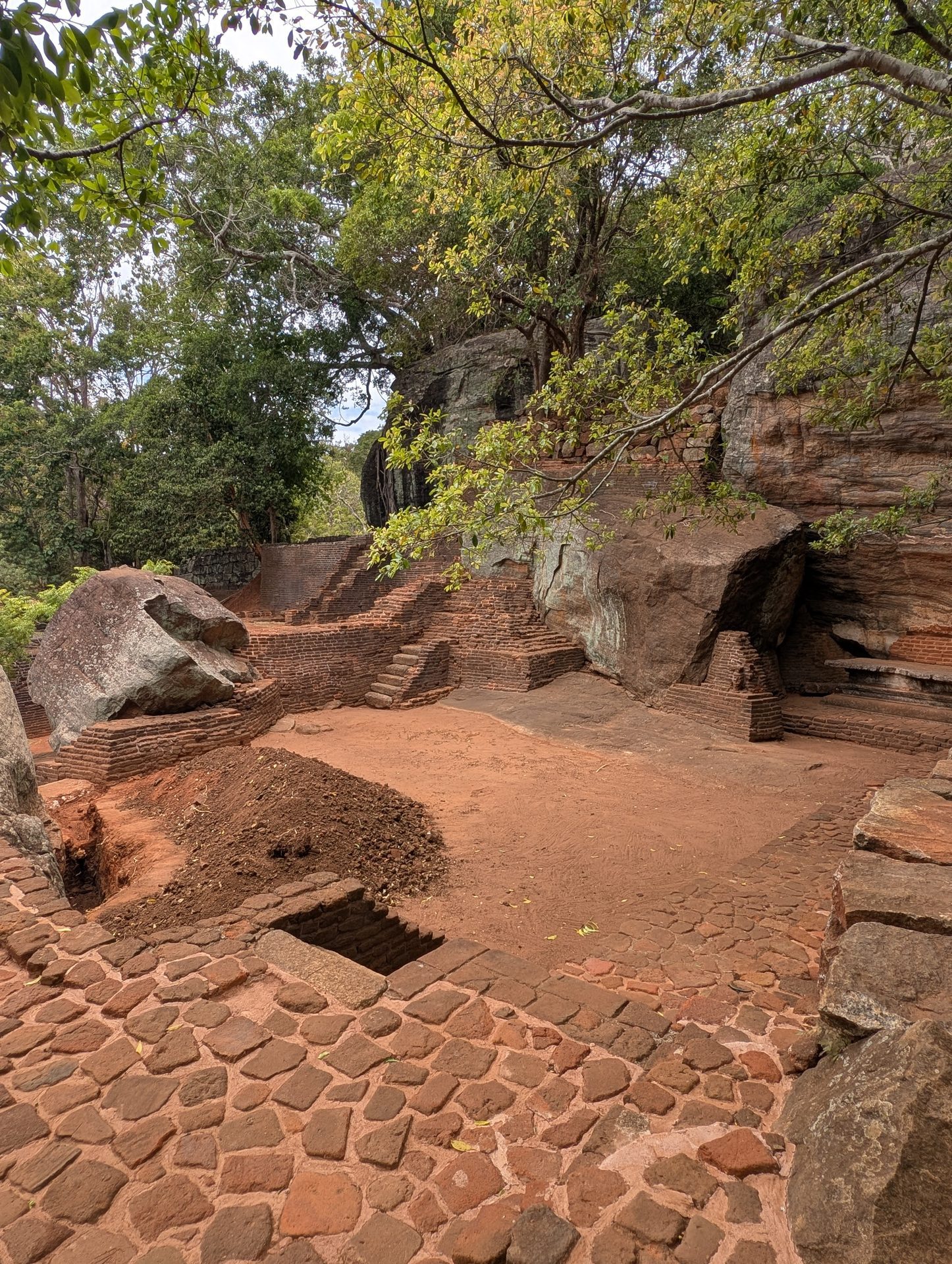
The way down takes you through the boulder garden, a maze of huge rocks with old monastery caves, stairs carved into stone, and the Cobra Hood rock, which really does look like a snake rearing up.
Tips for Climbing Sigiriya
- Difficulty: it was not too hard, and fine for our 10-year-old. It is a long, steady climb, and we took it slow in a few places. Crowds on the narrow stairs slowed us down more than the climb did.
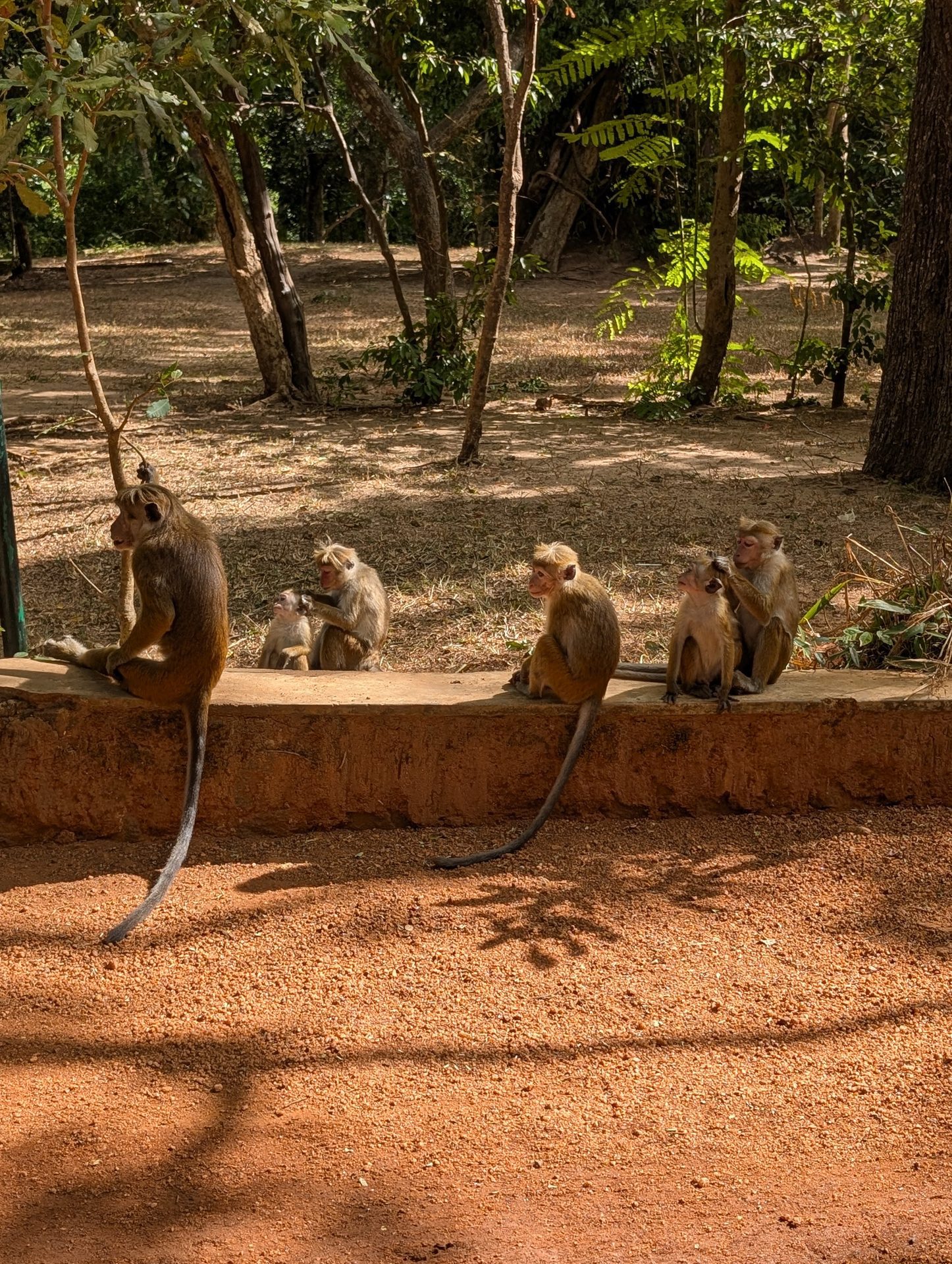
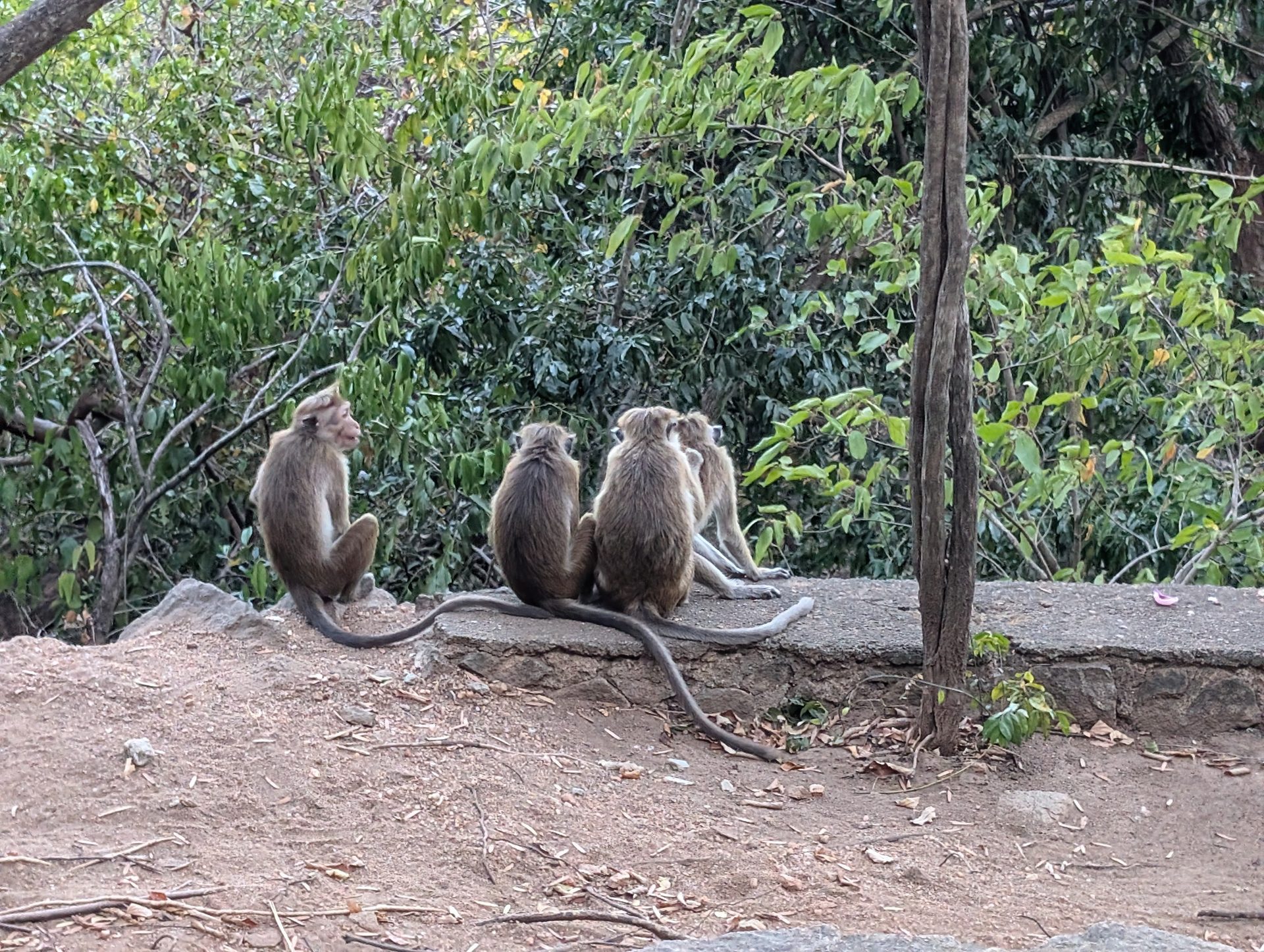
- Monkeys: the macaques are not shy at all. One tried to reach into our bag, and another grabbed a water bottle out of a hand and ran off with it. Keep food out of sight and bags zipped.
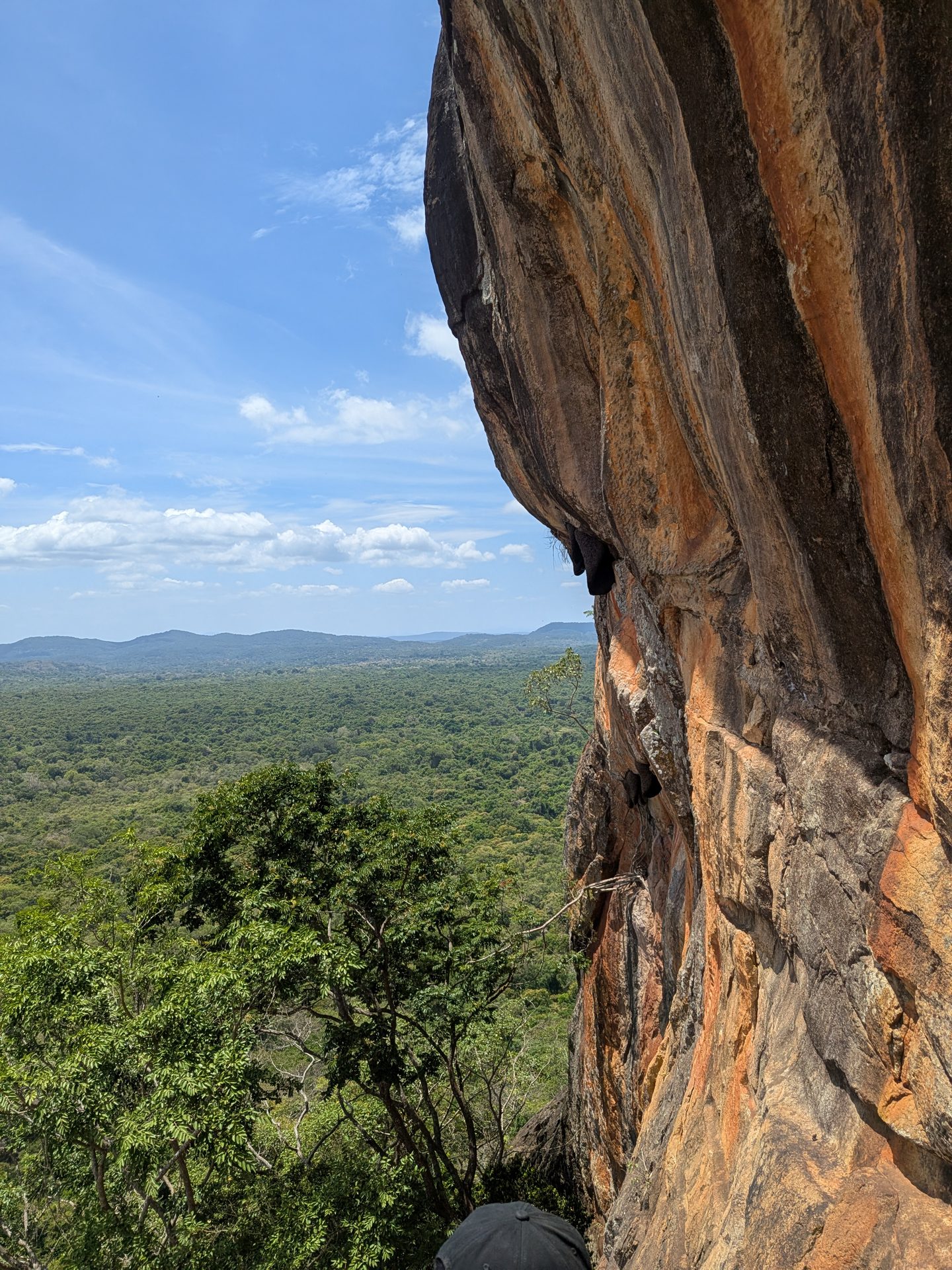
- Hornets: there are large hornet nests on the rock and signs asking visitors to stay quiet. We had no problems, but keep noise down.
- Bring: water, a hat, sunscreen and good shoes. There is little shade once you are on the rock.
- Fear of heights: some staircases are exposed metal stairs on the side of the cliff. They have railings and cages, but it can feel airy.
What About Pidurangala Rock?
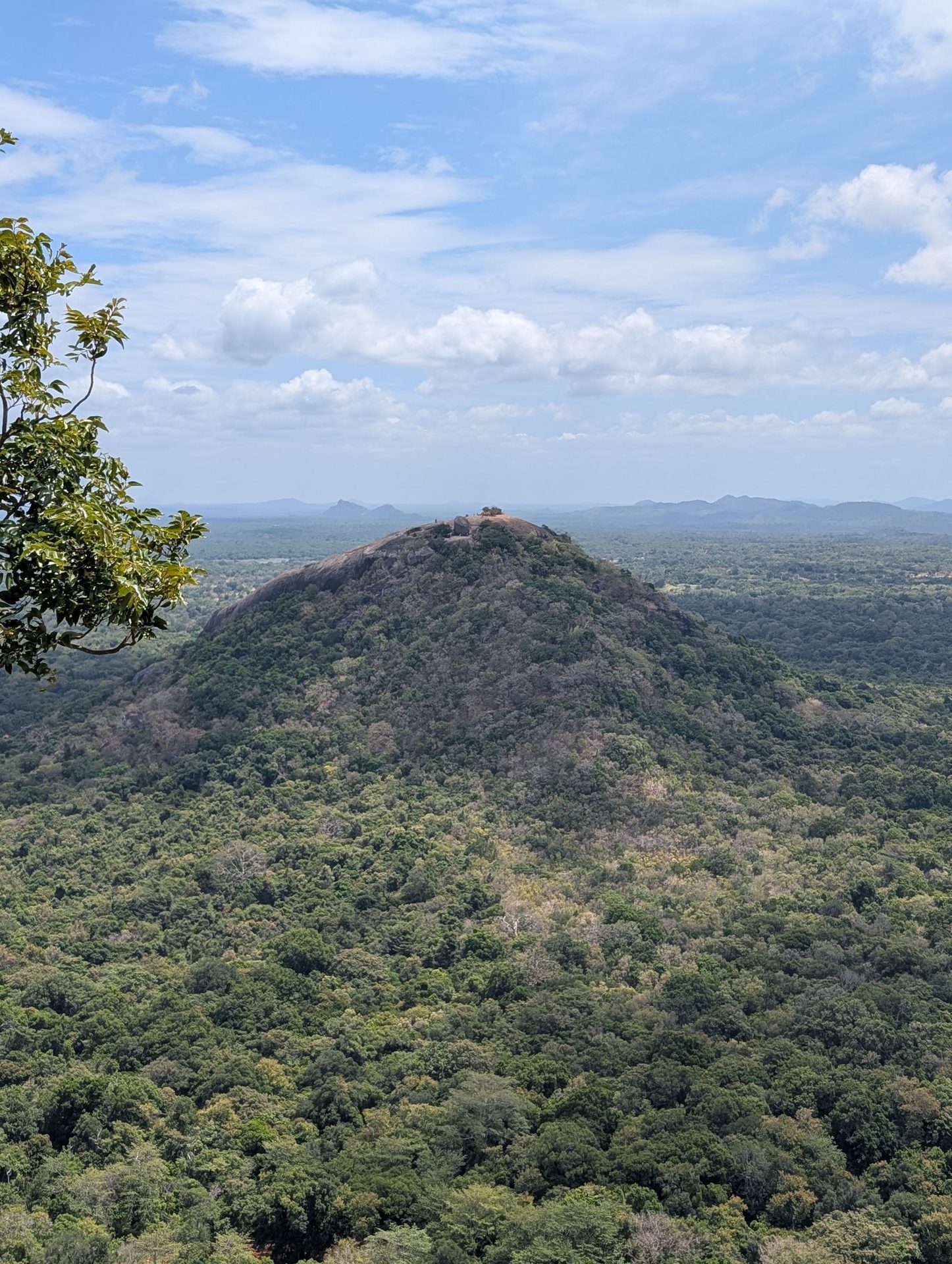
Pidurangala is the rock just north of Sigiriya, and from its top you get the classic view of Sigiriya itself. We saw it from the Sigiriya summit but skipped the climb. It is more of a hike, with a scramble over boulders at the end, and we were pretty tired after Sigiriya. If you have the energy, do it. Entry was about LKR 1,000 per person as of October 2026, and it takes 30 to 45 minutes to reach the top.
Day 3: Polonnaruwa Ancient City
Polonnaruwa was Sri Lanka's royal capital in the 11th and 12th centuries and is another UNESCO World Heritage Site. Most of what you see today was built under King Parakramabahu I. It is definitely worth it, with a lot of history and culture packed into one site. We spent about an hour and a half here on the way to the east coast.
Parakrama Samudra
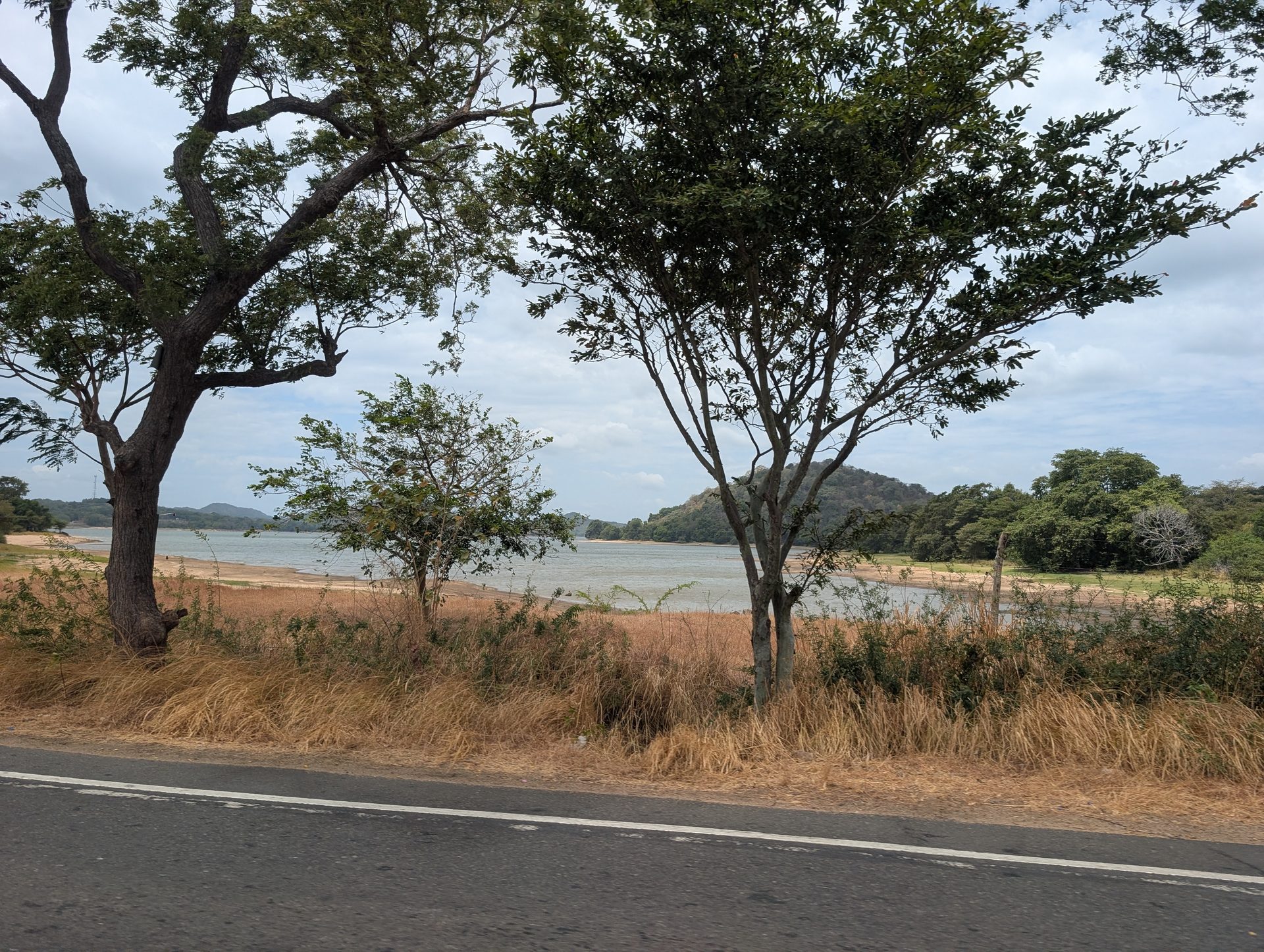
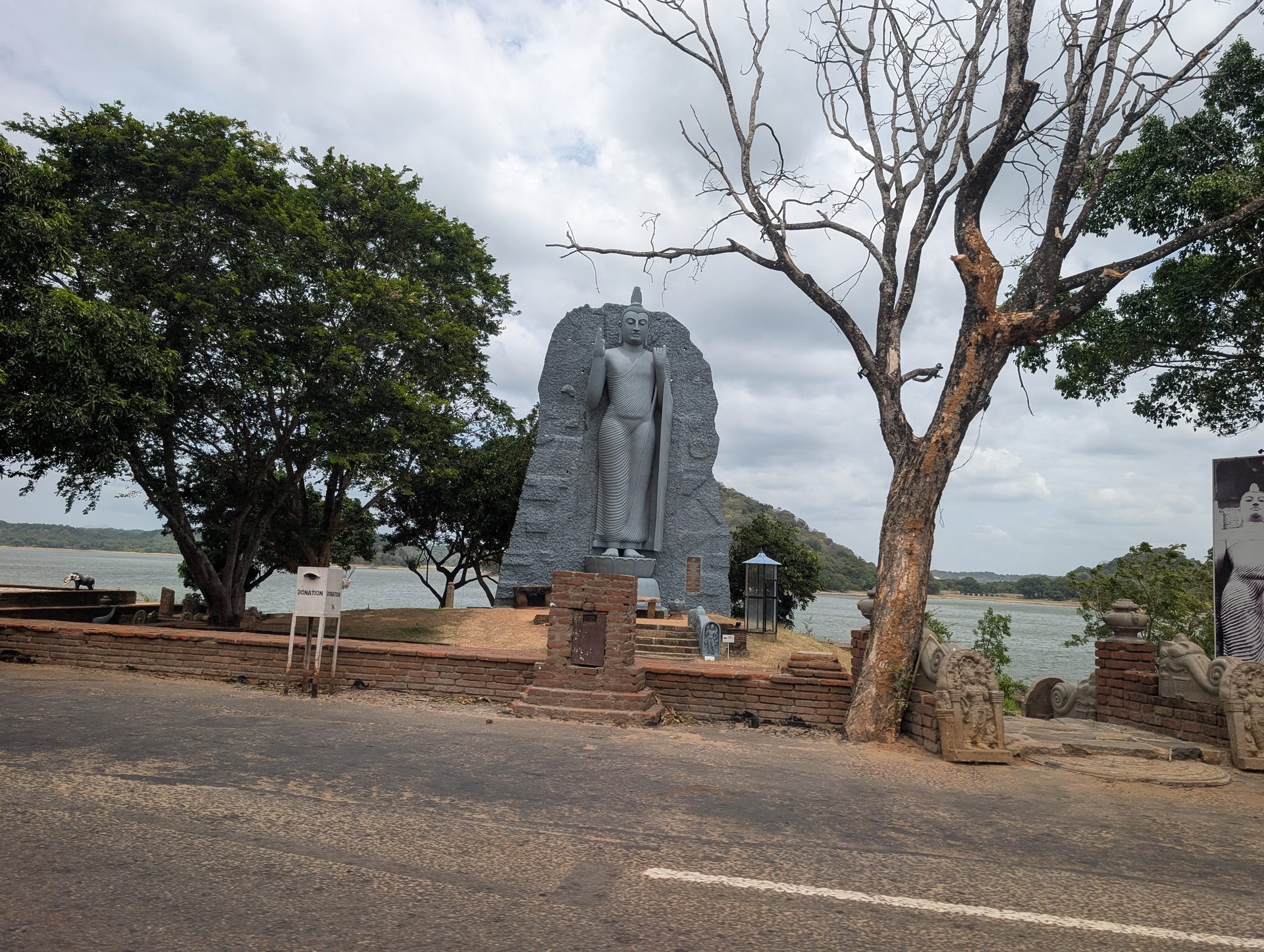
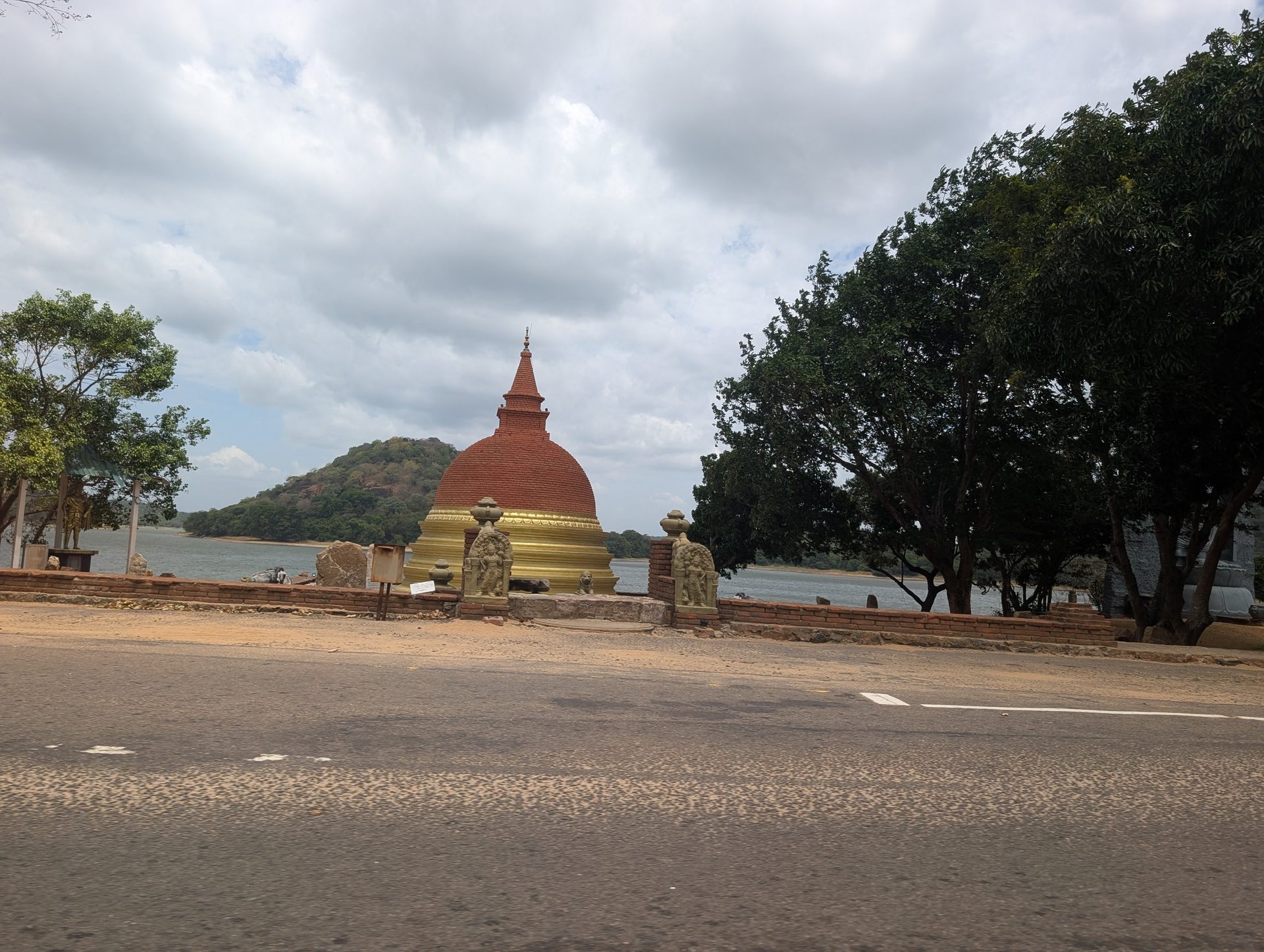
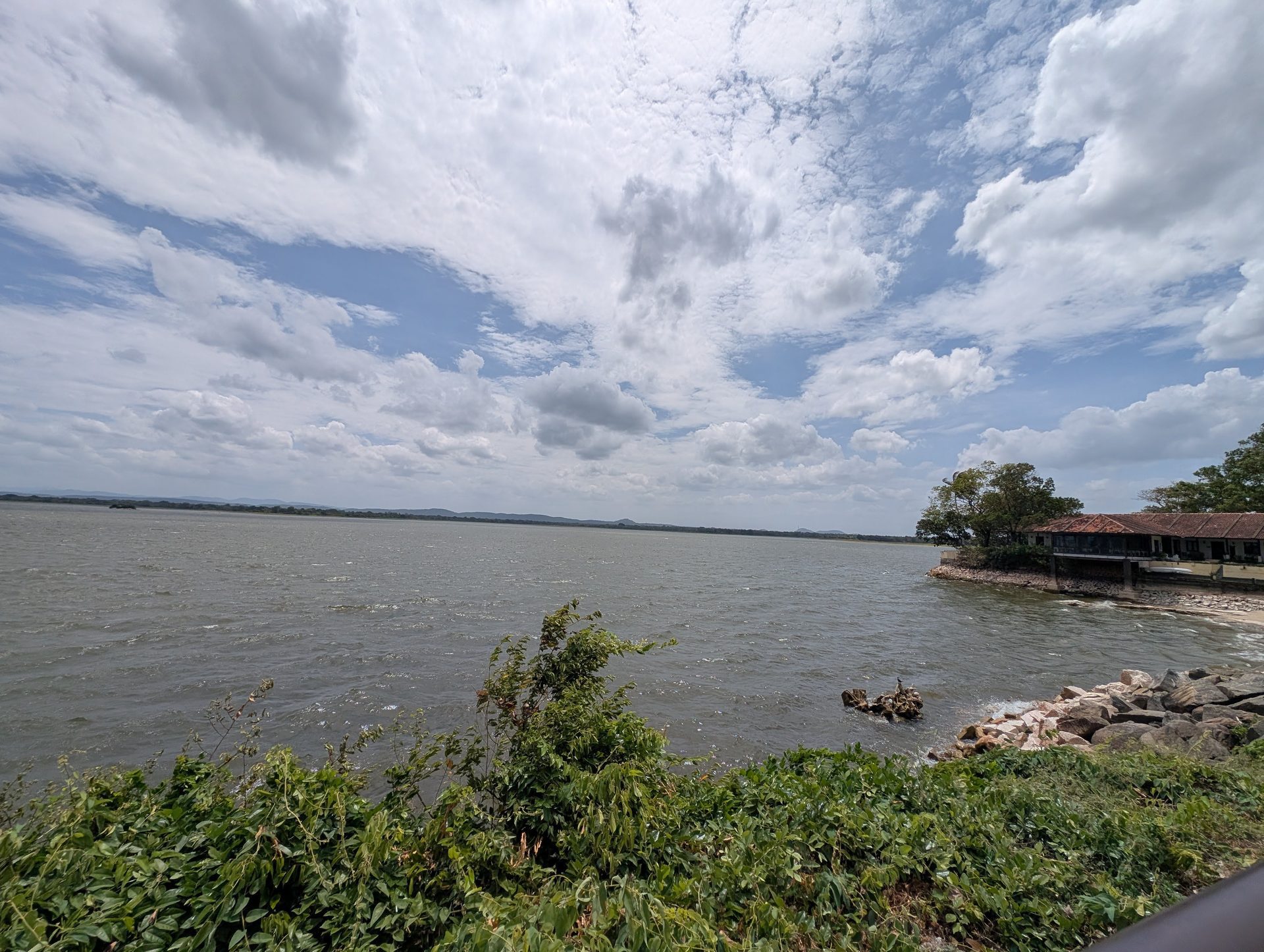
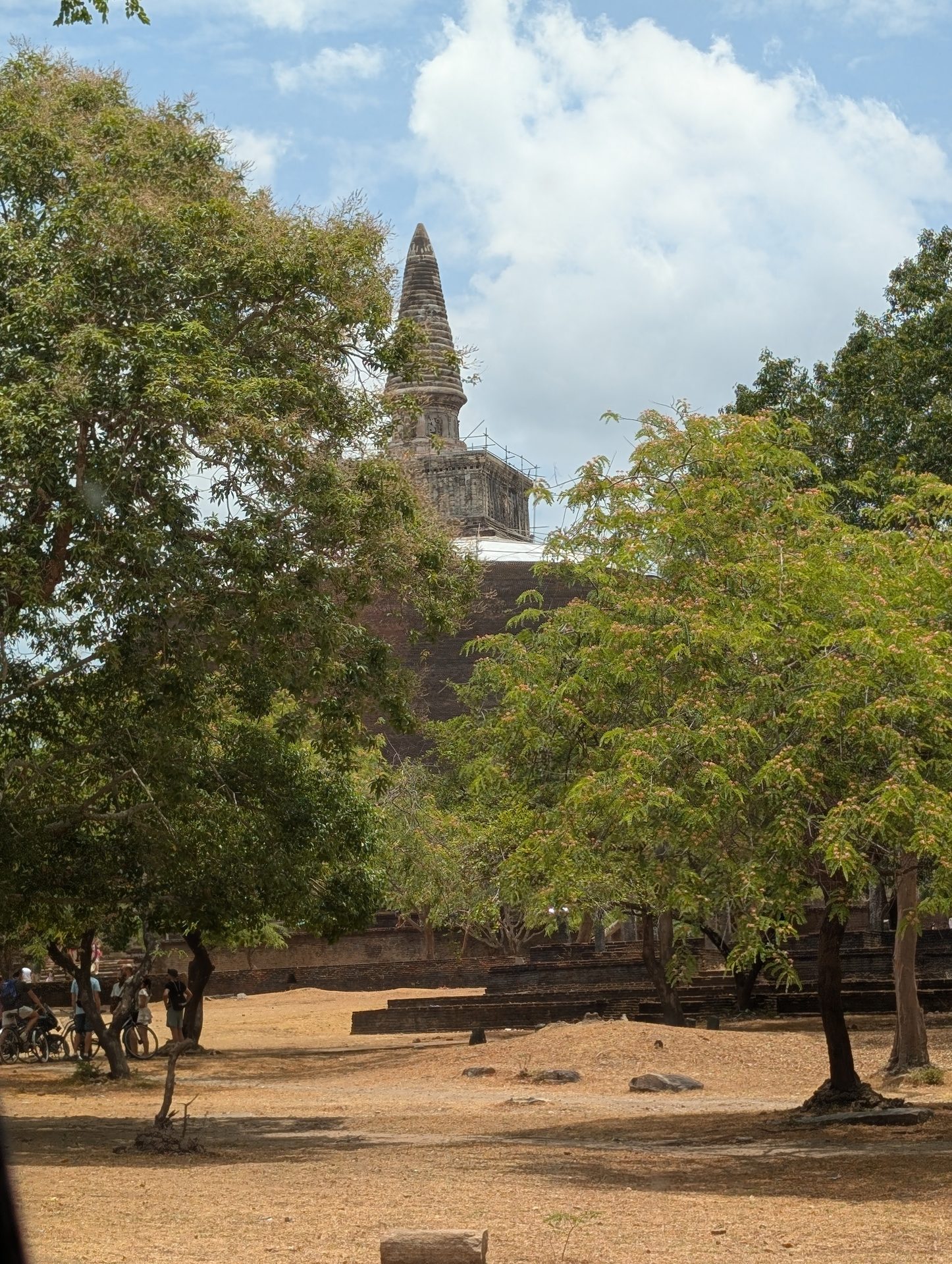
Before the ruins, you drive along Parakrama Samudra, a huge reservoir that Parakramabahu I greatly expanded. It is so big that it was called a sea. Along the road there is a large standing Buddha statue and a golden stupa facing the water.
The Royal Palace and Council Chamber
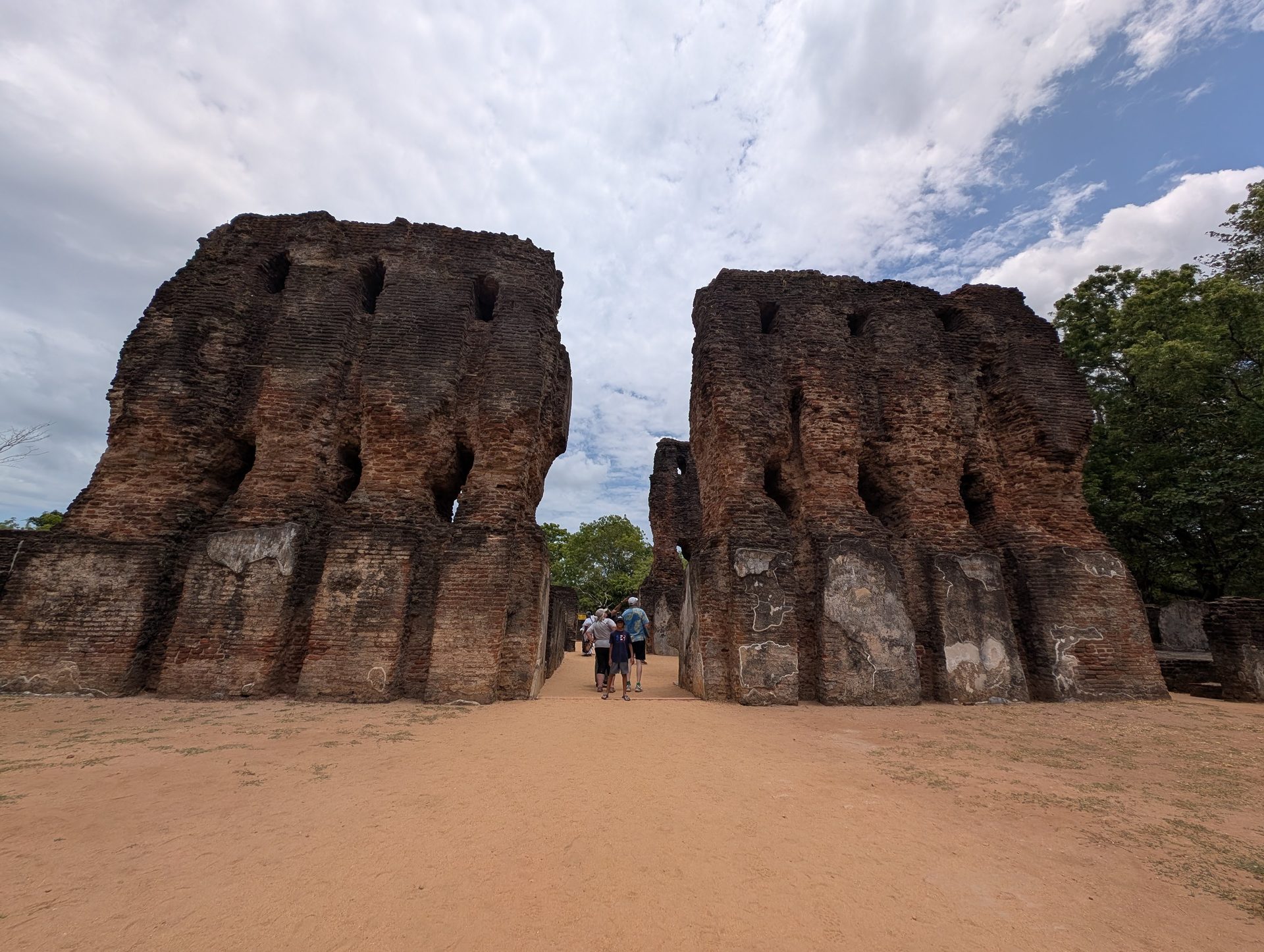
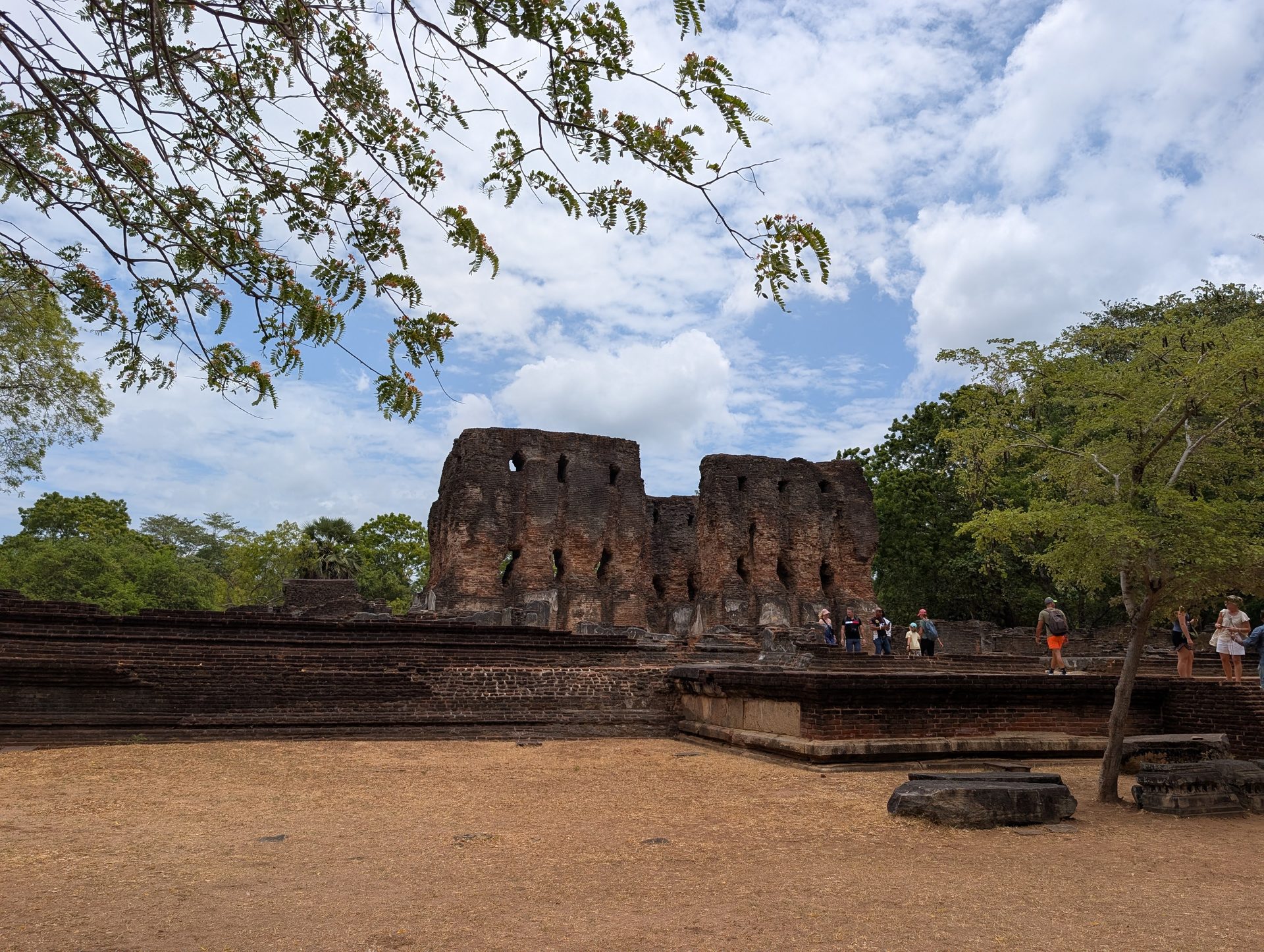
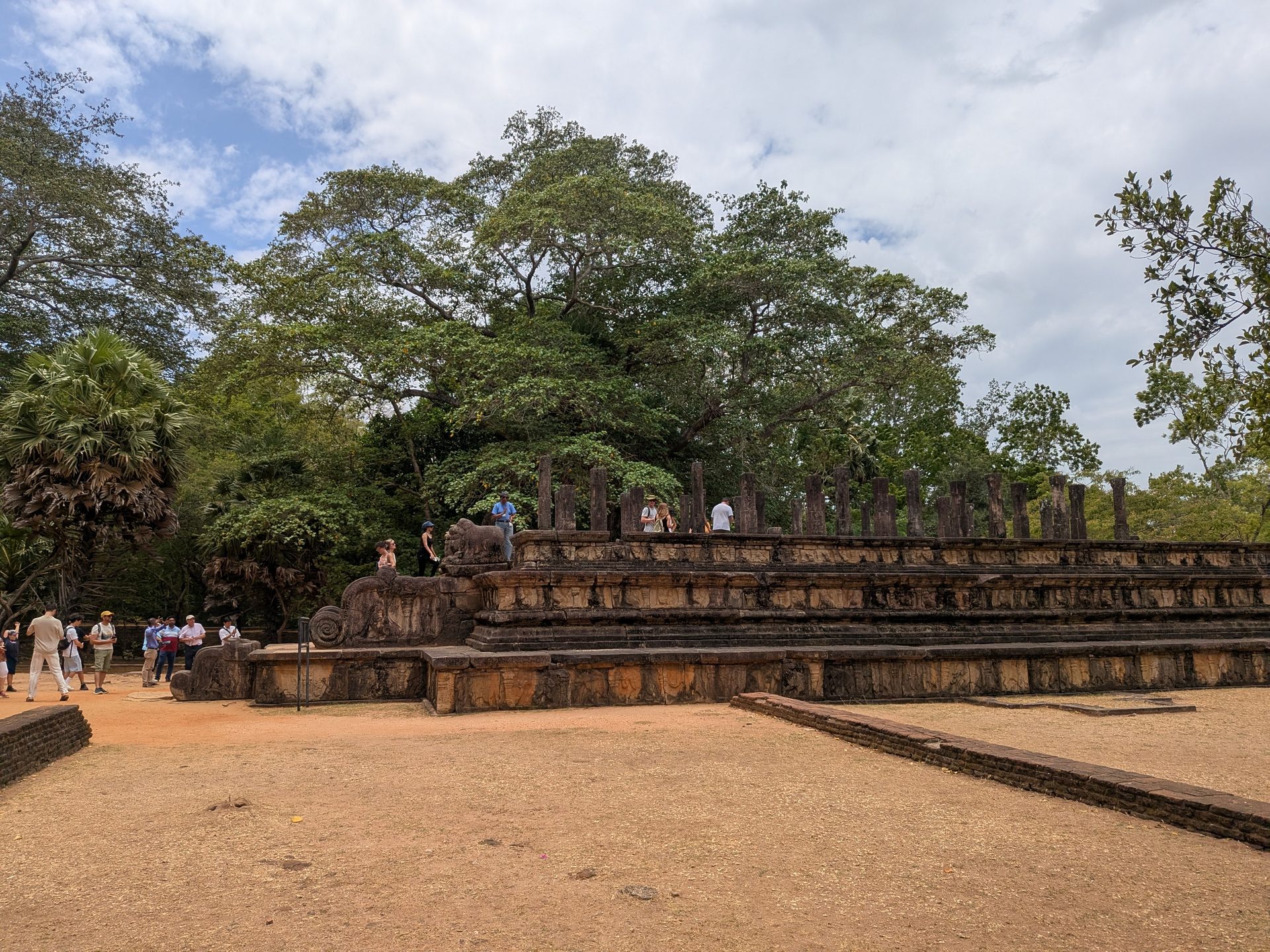
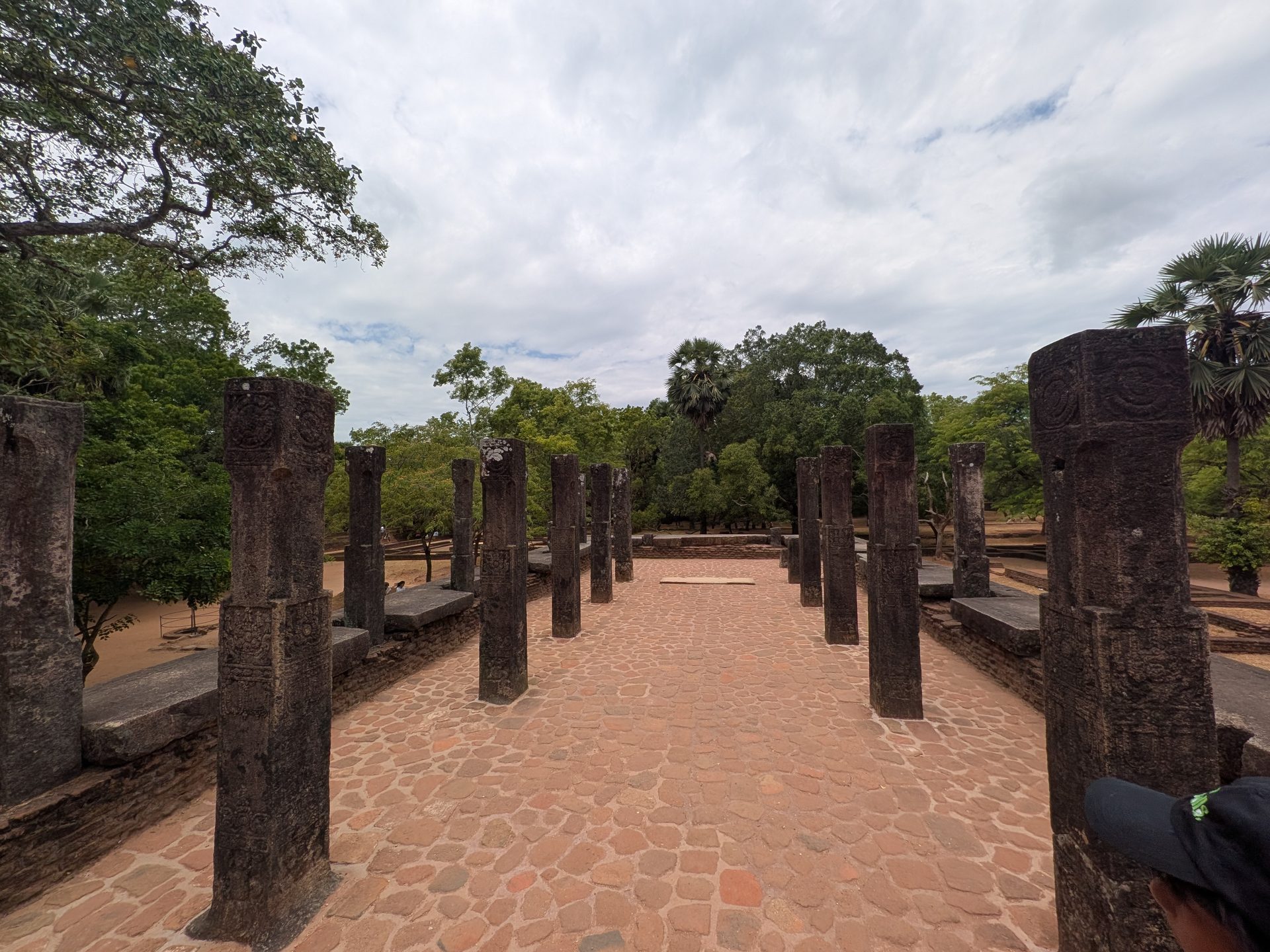
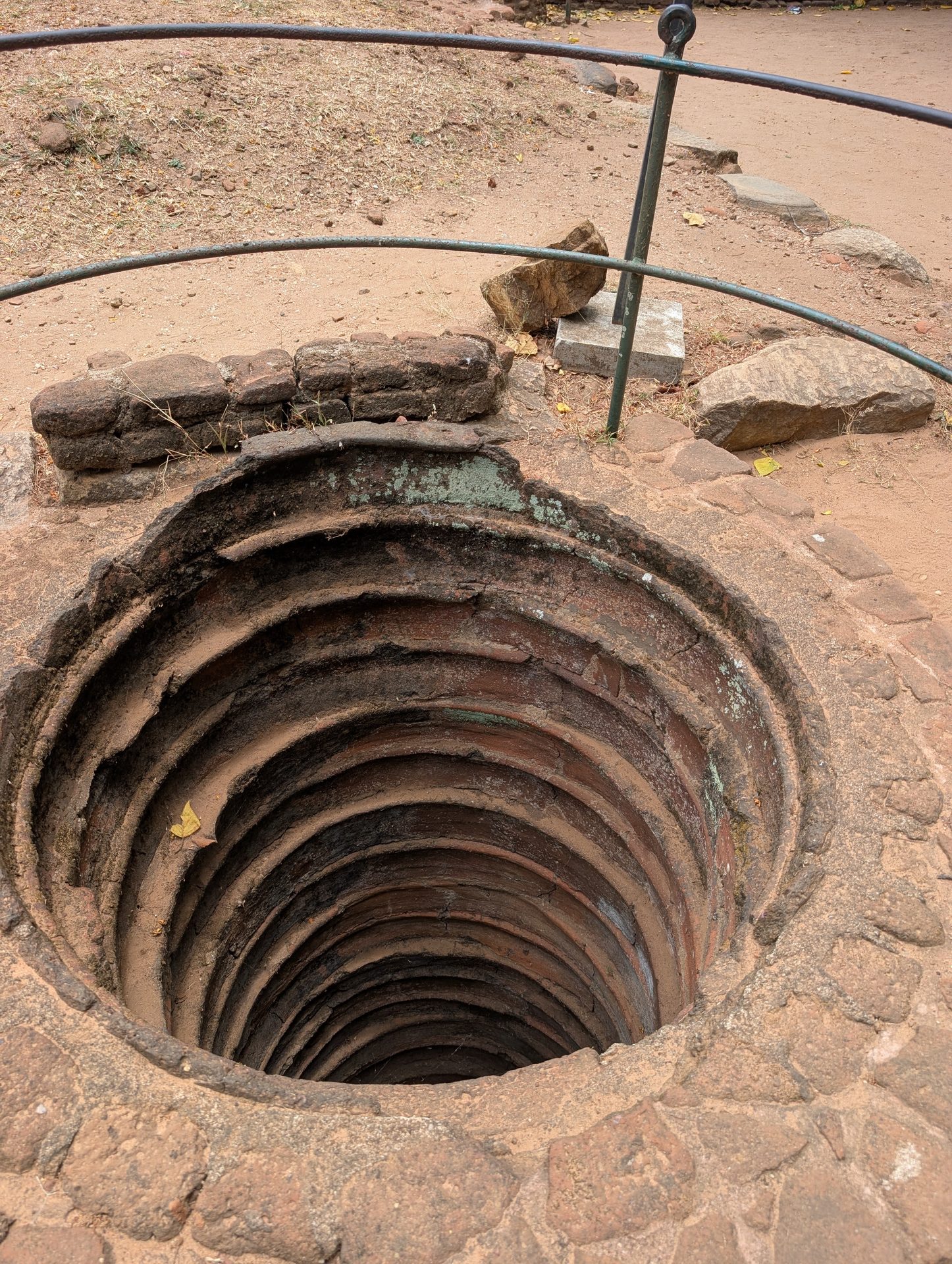
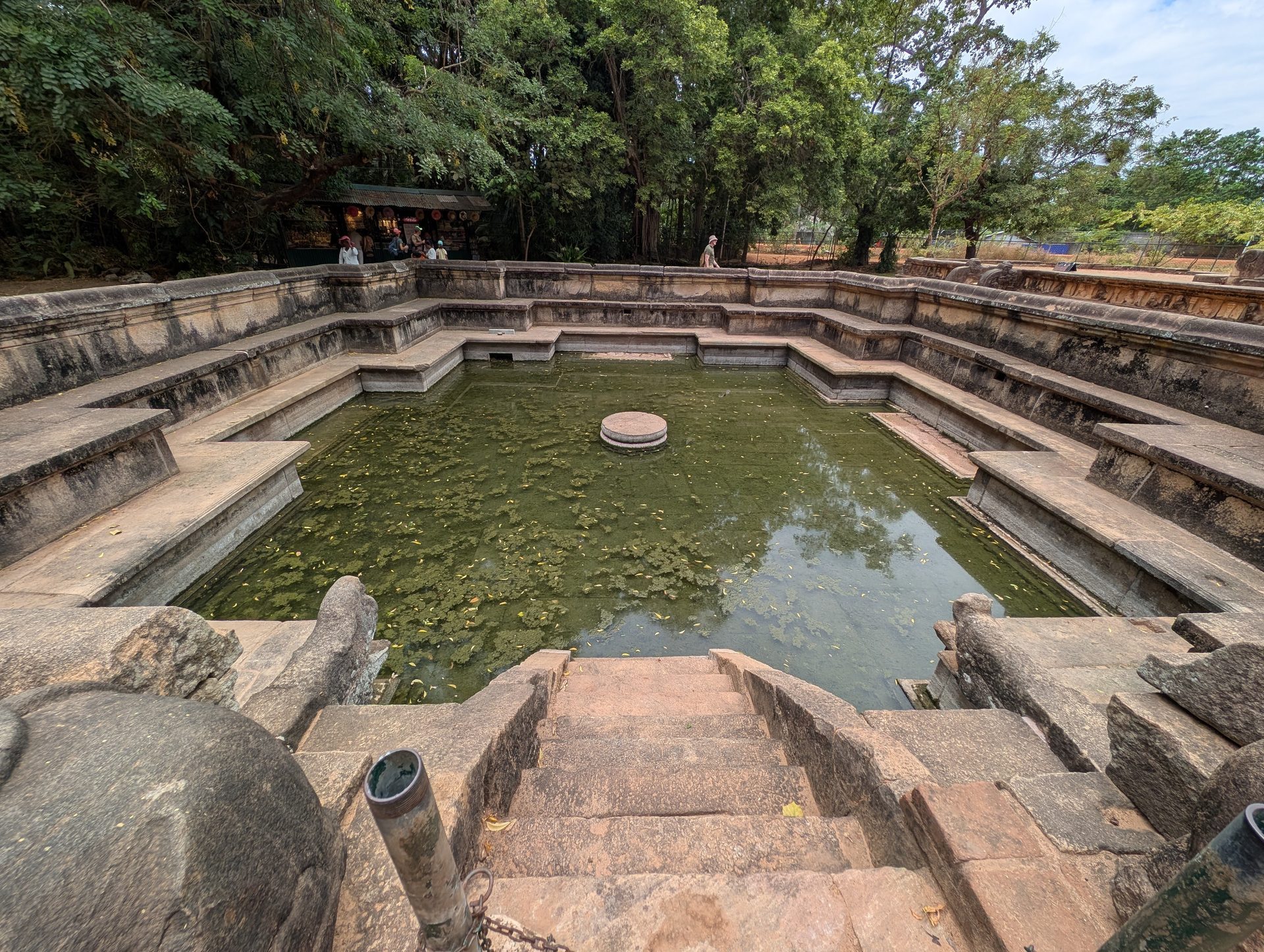
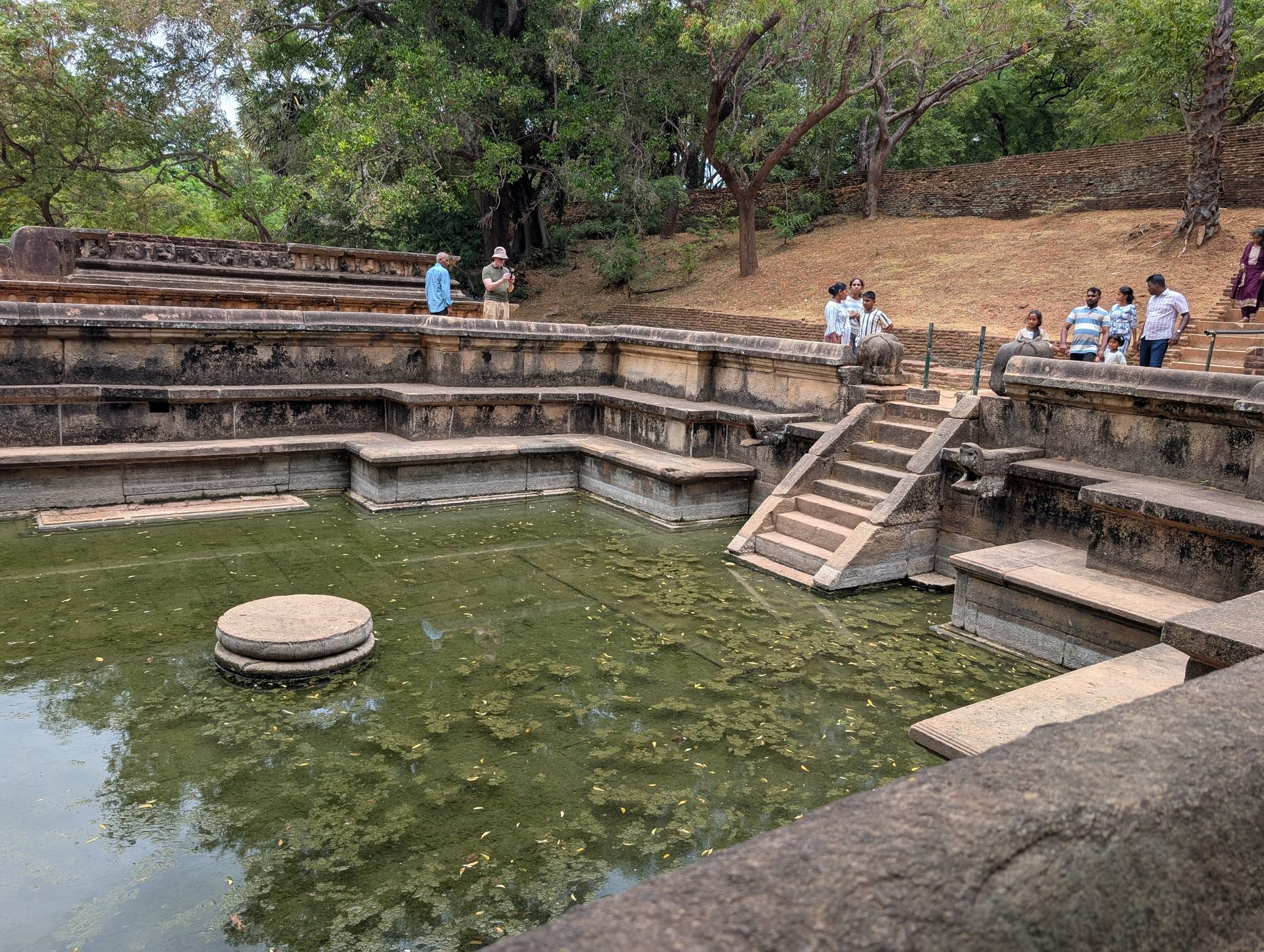
The Royal Palace is now two massive brick walls with holes where the floor beams once sat. It was said to be seven stories high. Next to it is the Council Chamber, where the king met his ministers, with rows of stone pillars and carved elephants and lions around its base. Nearby is Kumara Pokuna, the royal bath, with stone steps leading down to the water.
The Sacred Quadrangle
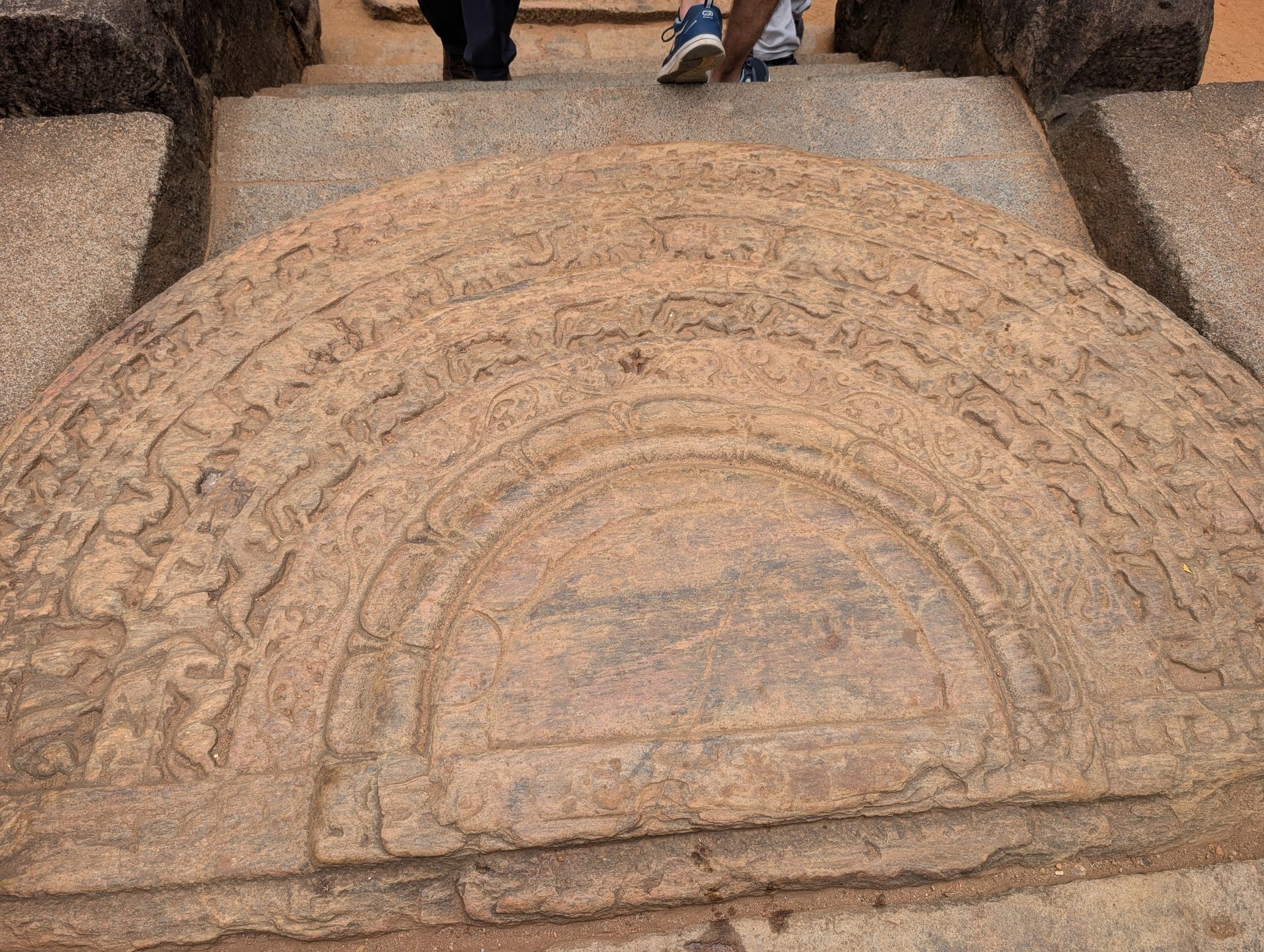
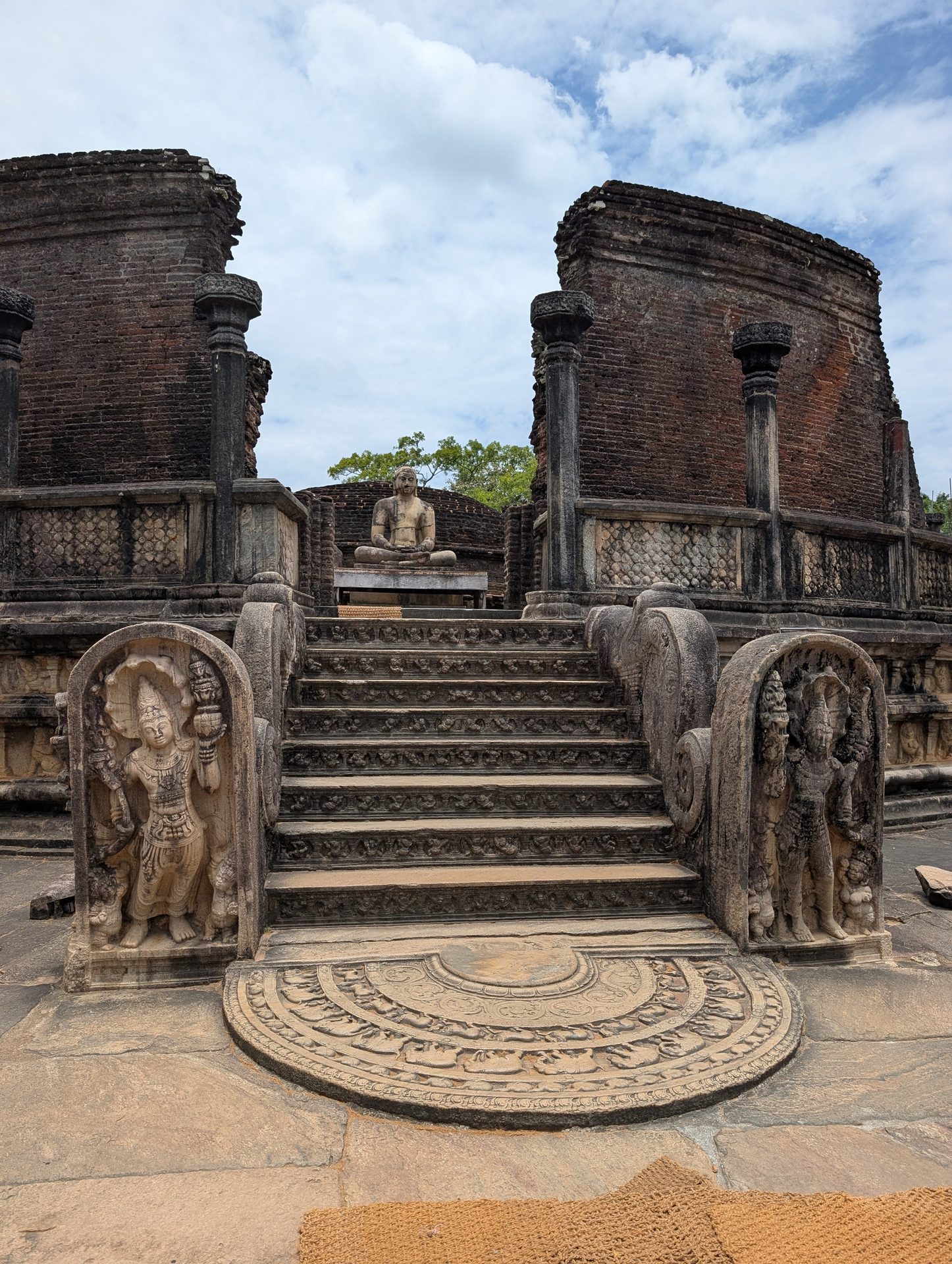
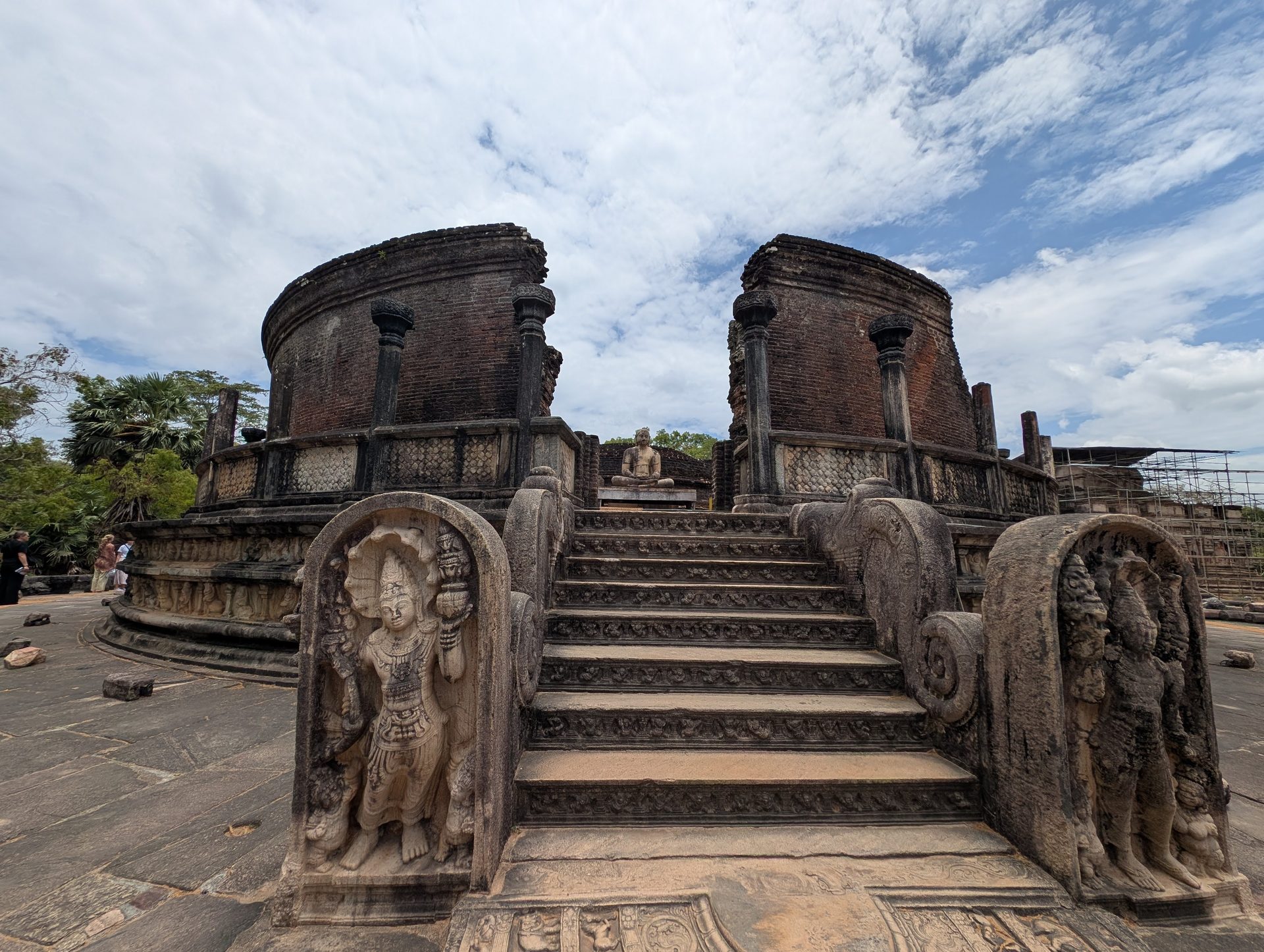
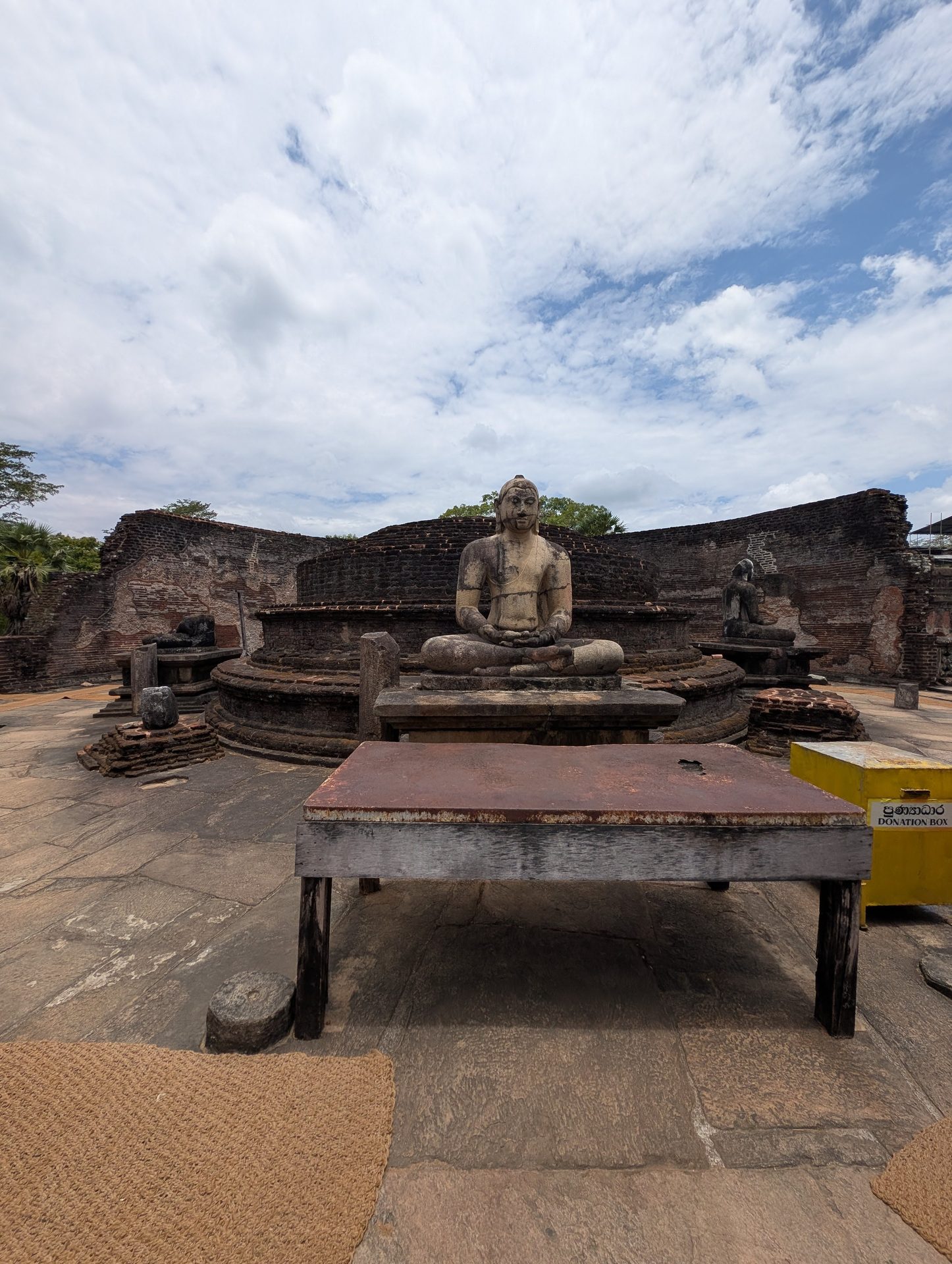
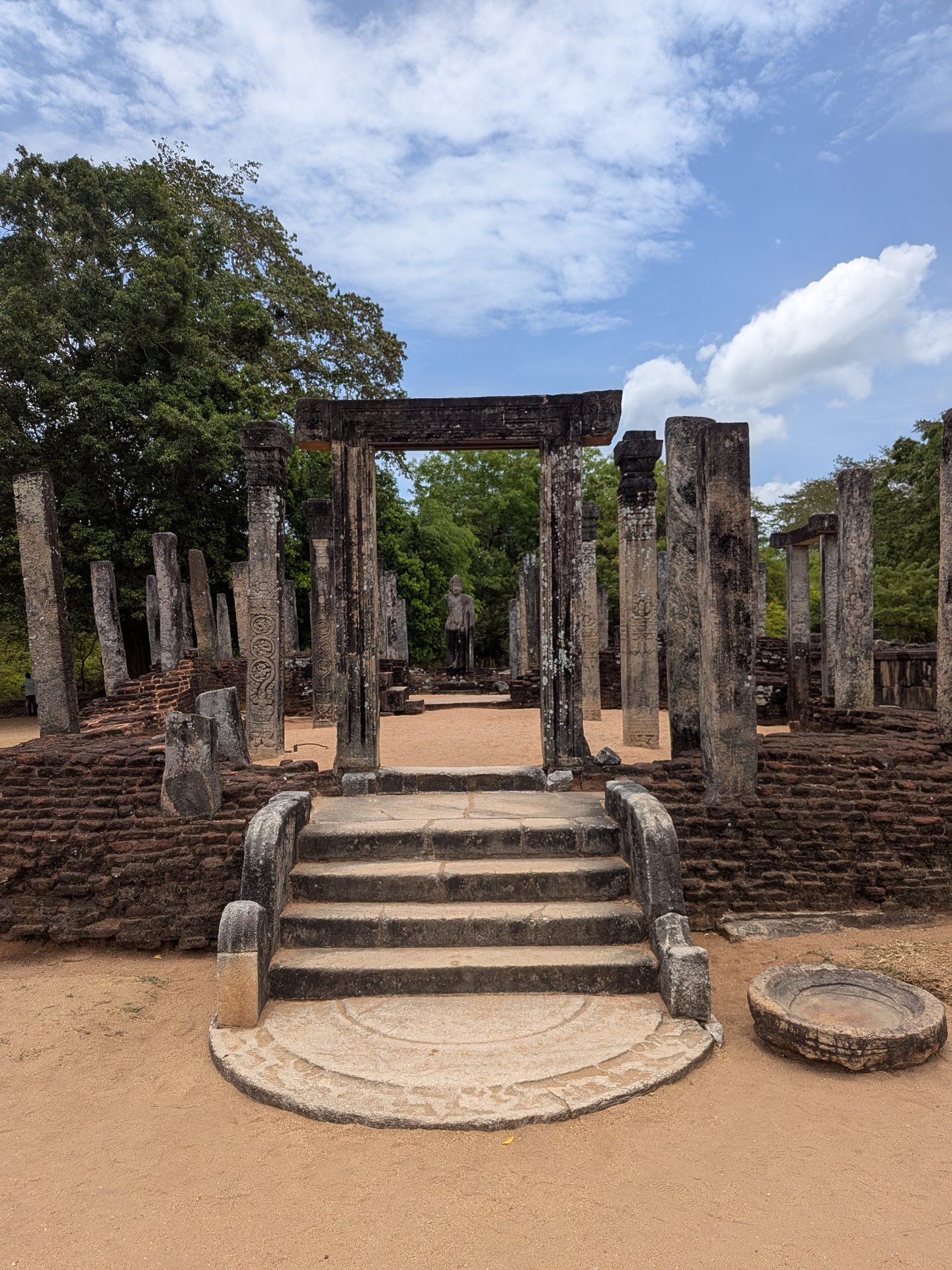
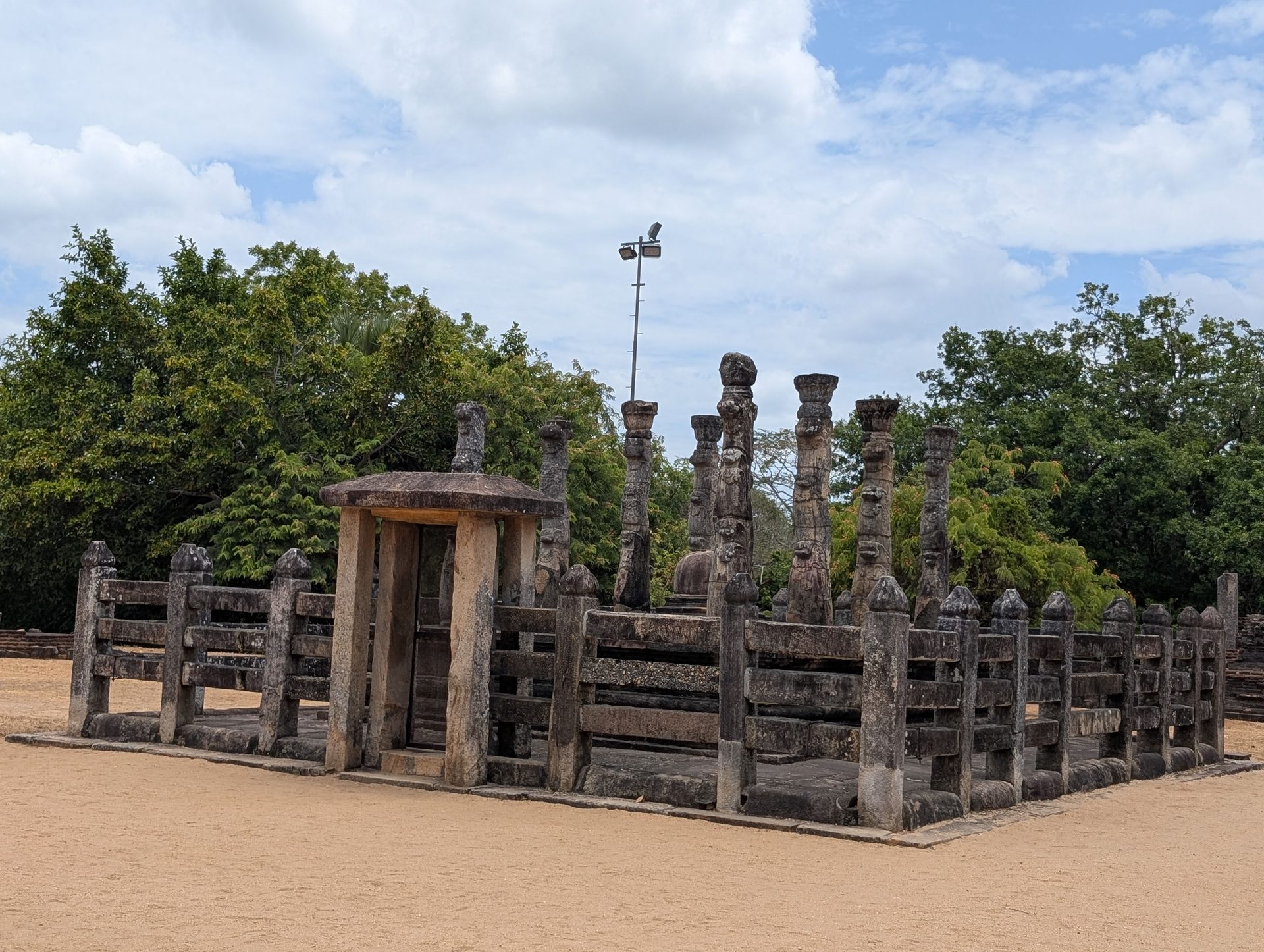
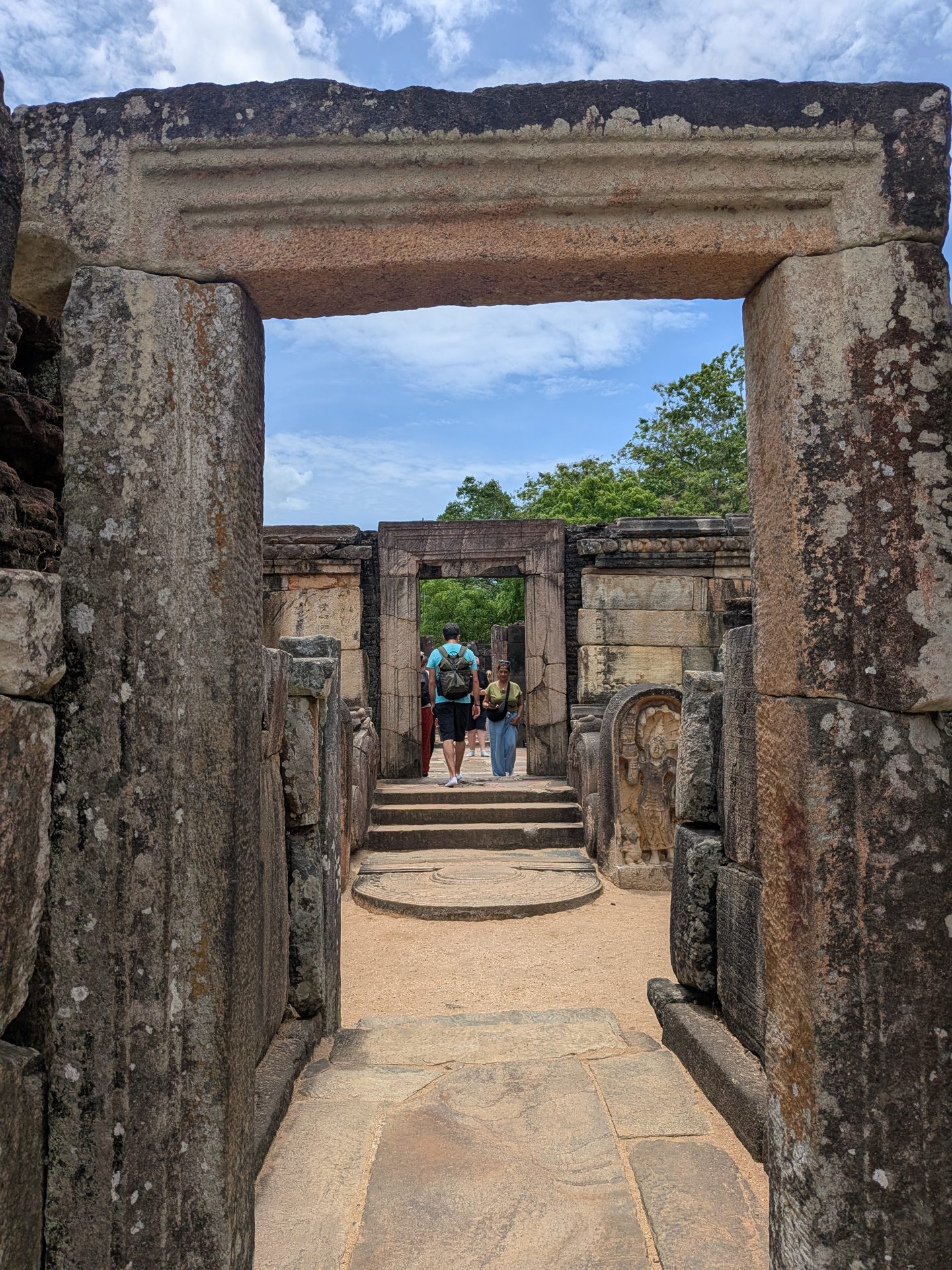
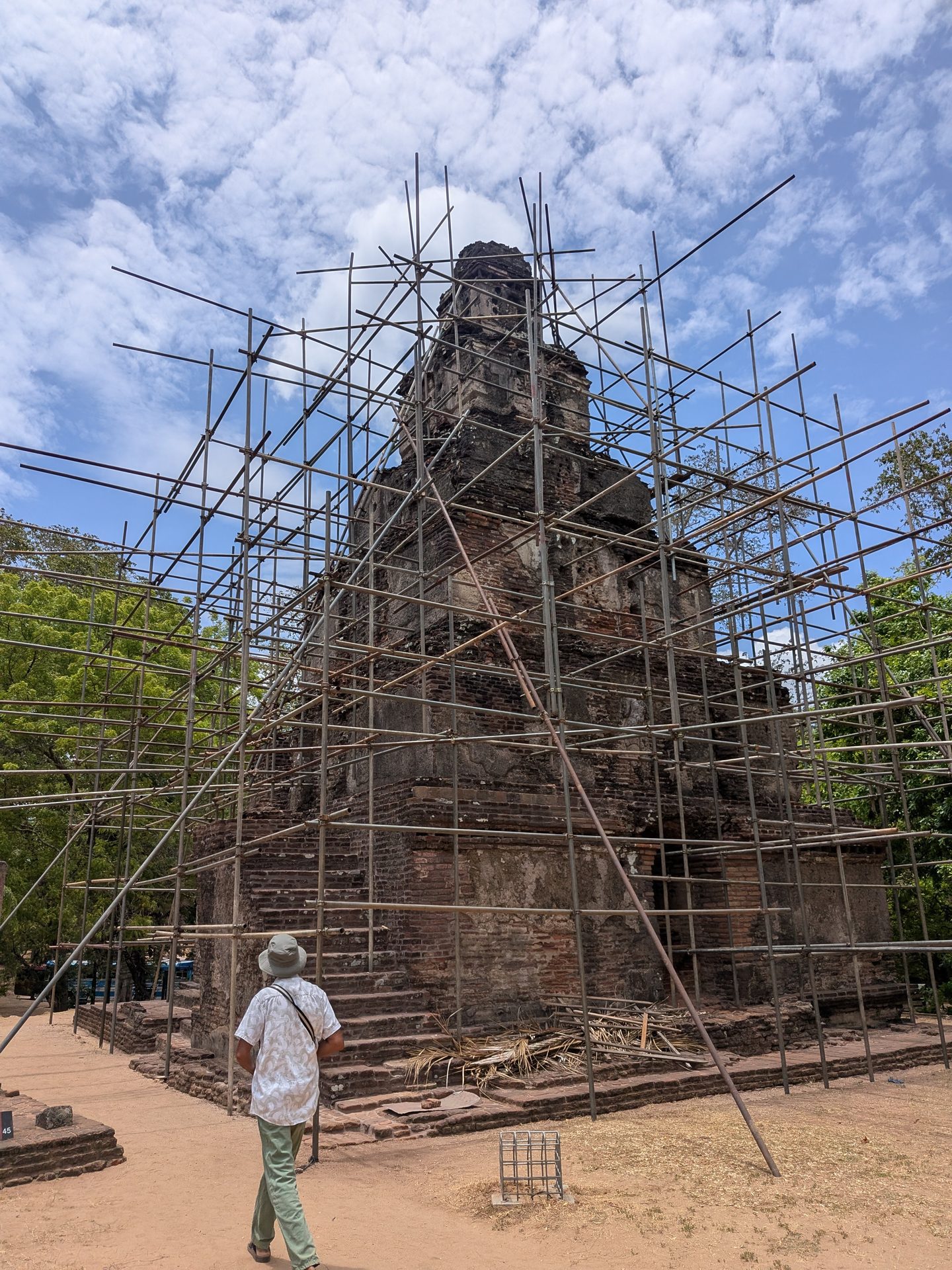
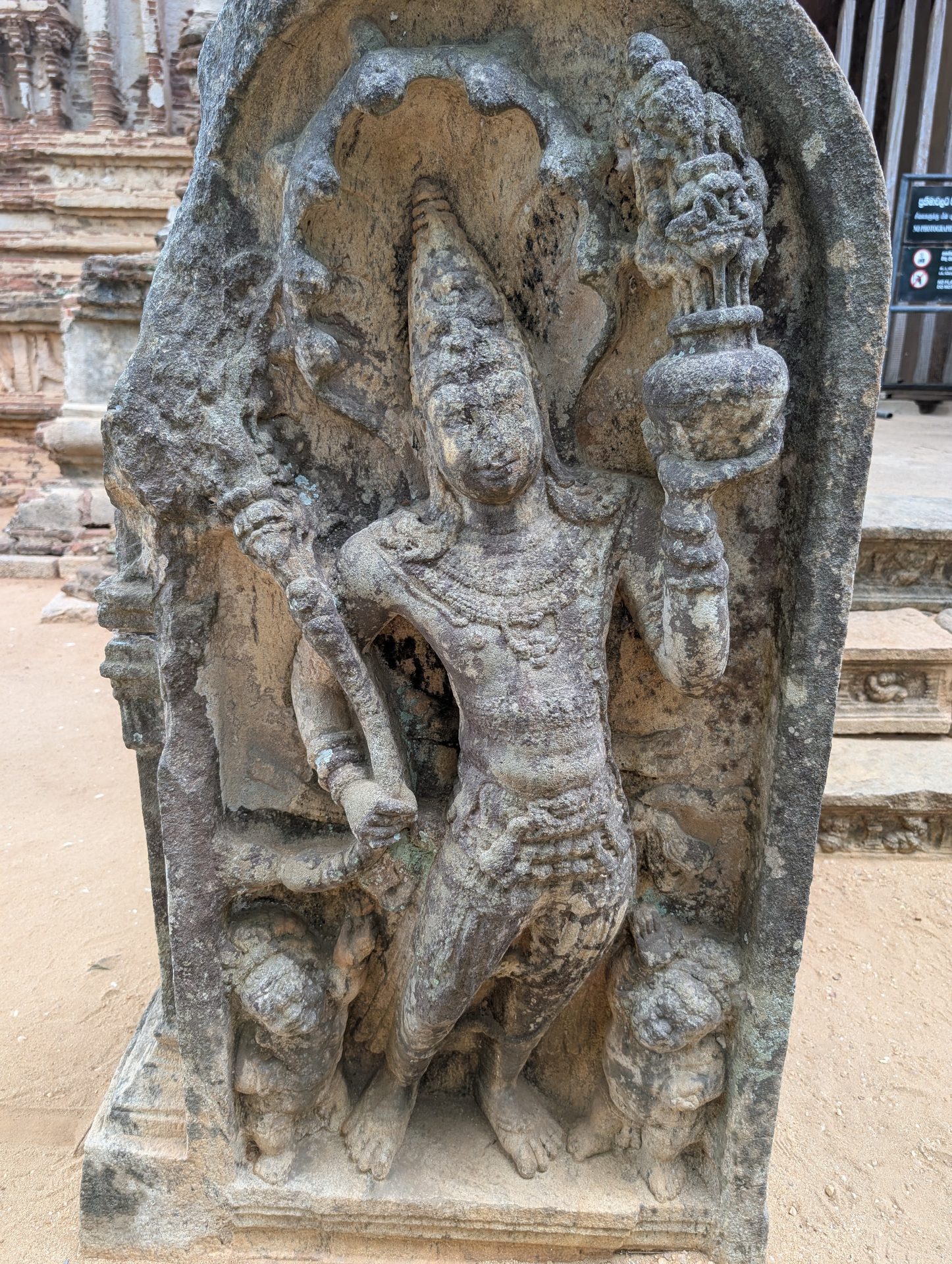
The Sacred Quadrangle is a cluster of the most important religious buildings, all within a few steps of each other. The star is the Vatadage, a round relic house with four seated Buddhas facing four entrances, each guarded by carved guardstones and a moonstone at the foot of the steps. Around it are the Hatadage, the Nissanka Latha Mandapaya with its lotus-stalk pillars, and the Satmahal Prasada, a stepped tower that was under scaffolding when we visited.
Gal Vihara
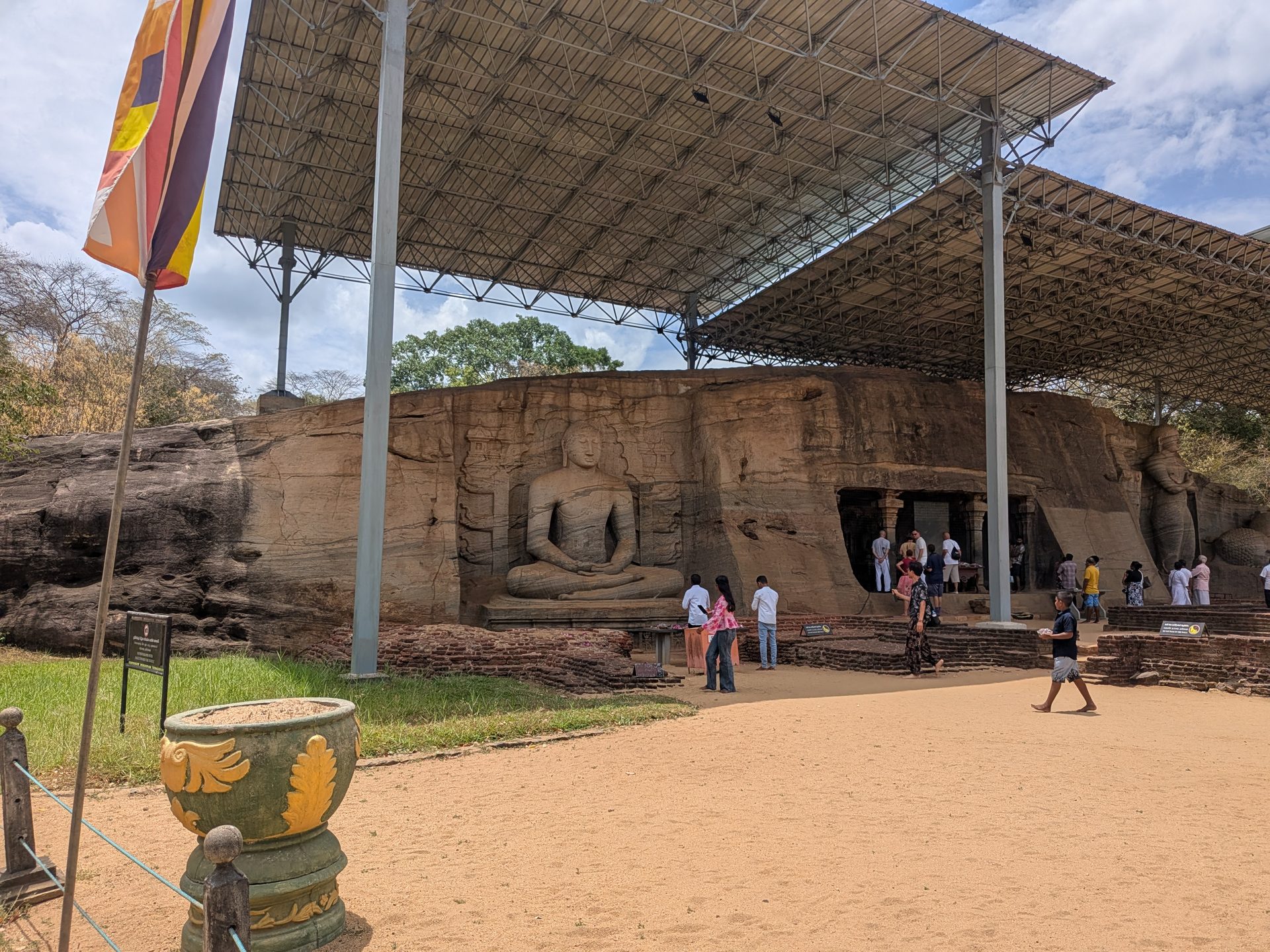
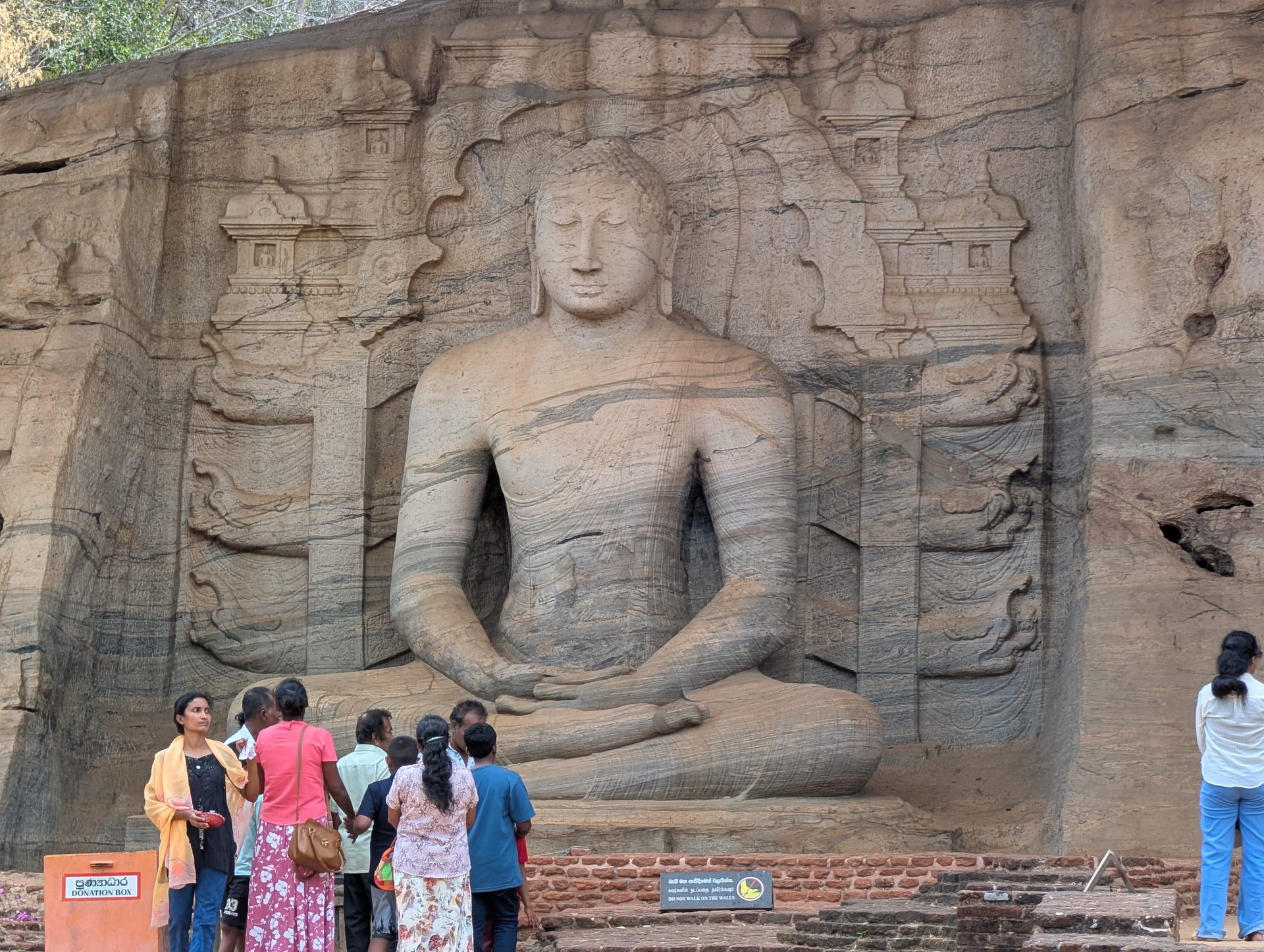
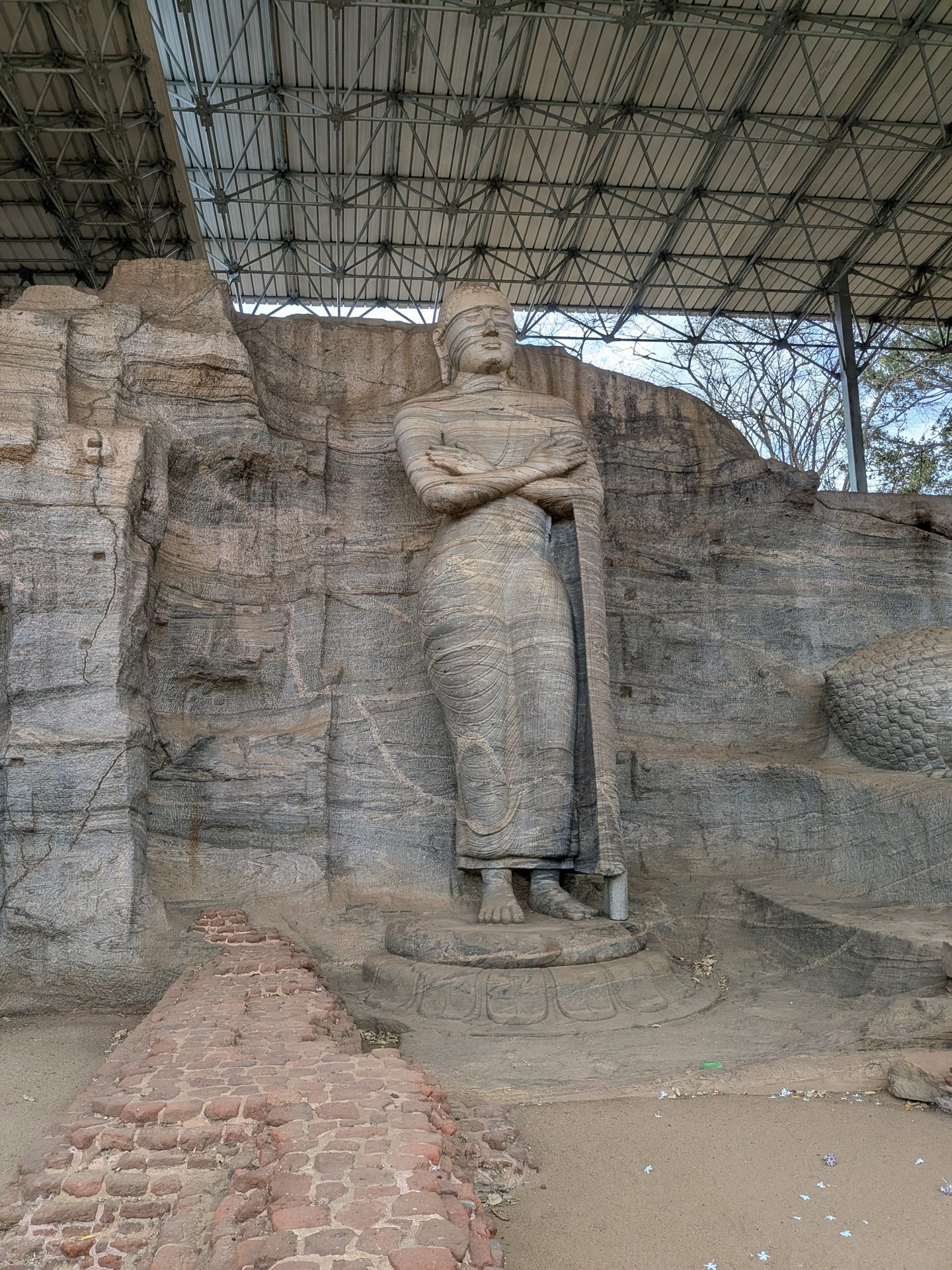
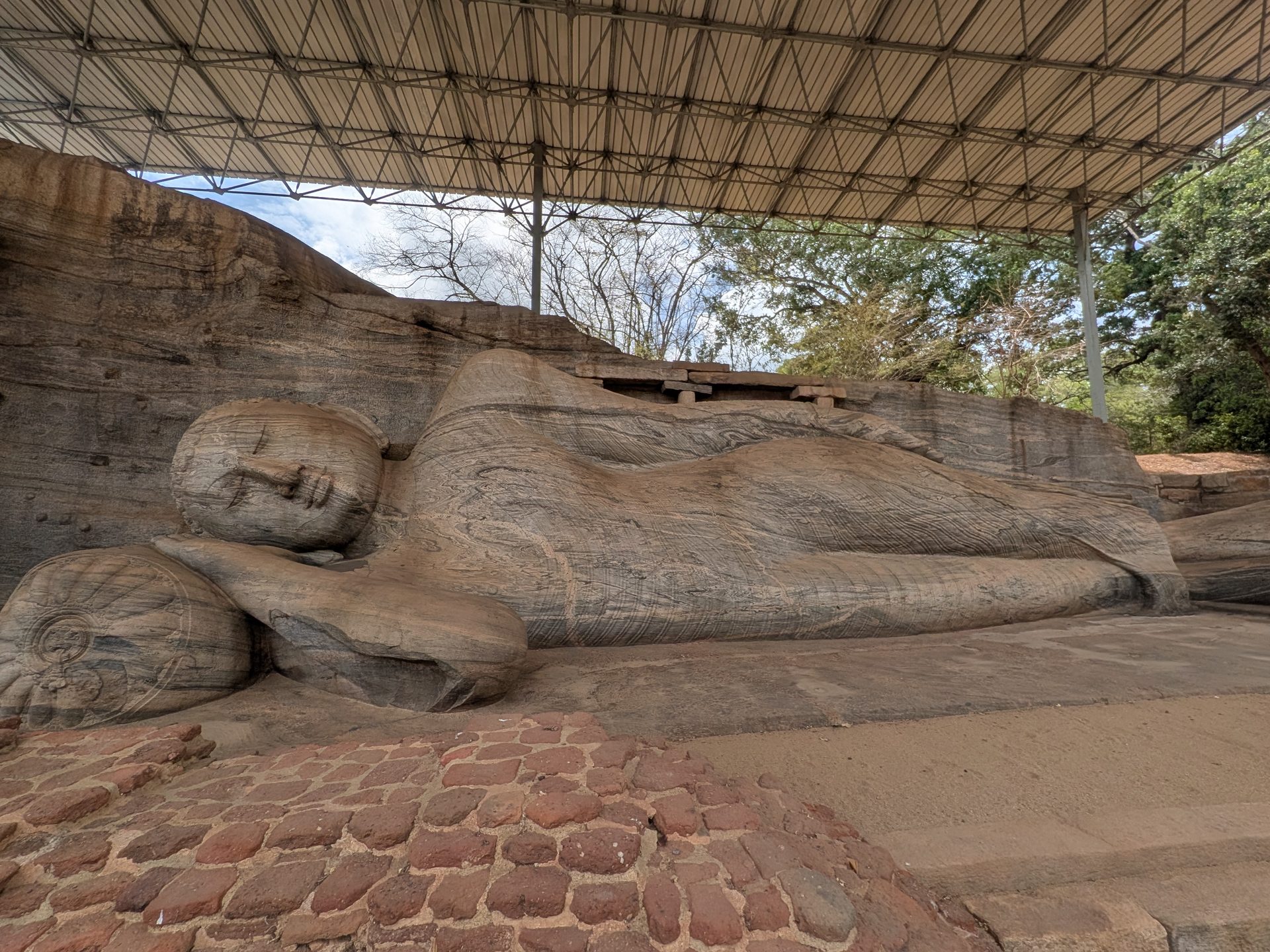
Gal Vihara is the most famous sight in Polonnaruwa: four Buddha images carved into a single granite rock face in the 12th century. There is a seated Buddha, a standing figure with crossed arms and a reclining Buddha about 14 meters long. It was the busiest stop of the day, and a large shelter now protects the carvings. You need to remove your shoes.
Lotus Pond and Thivanka Image House
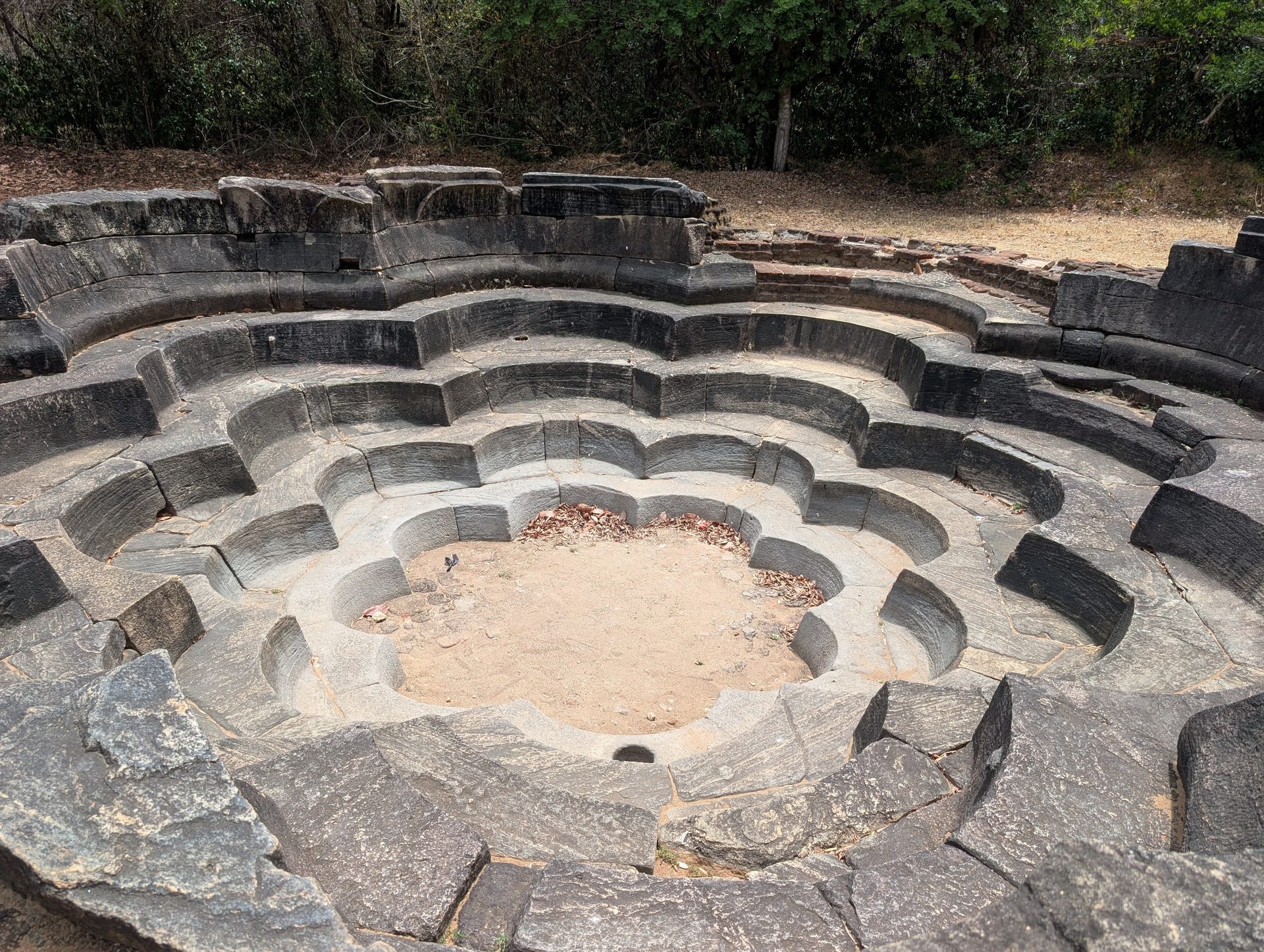
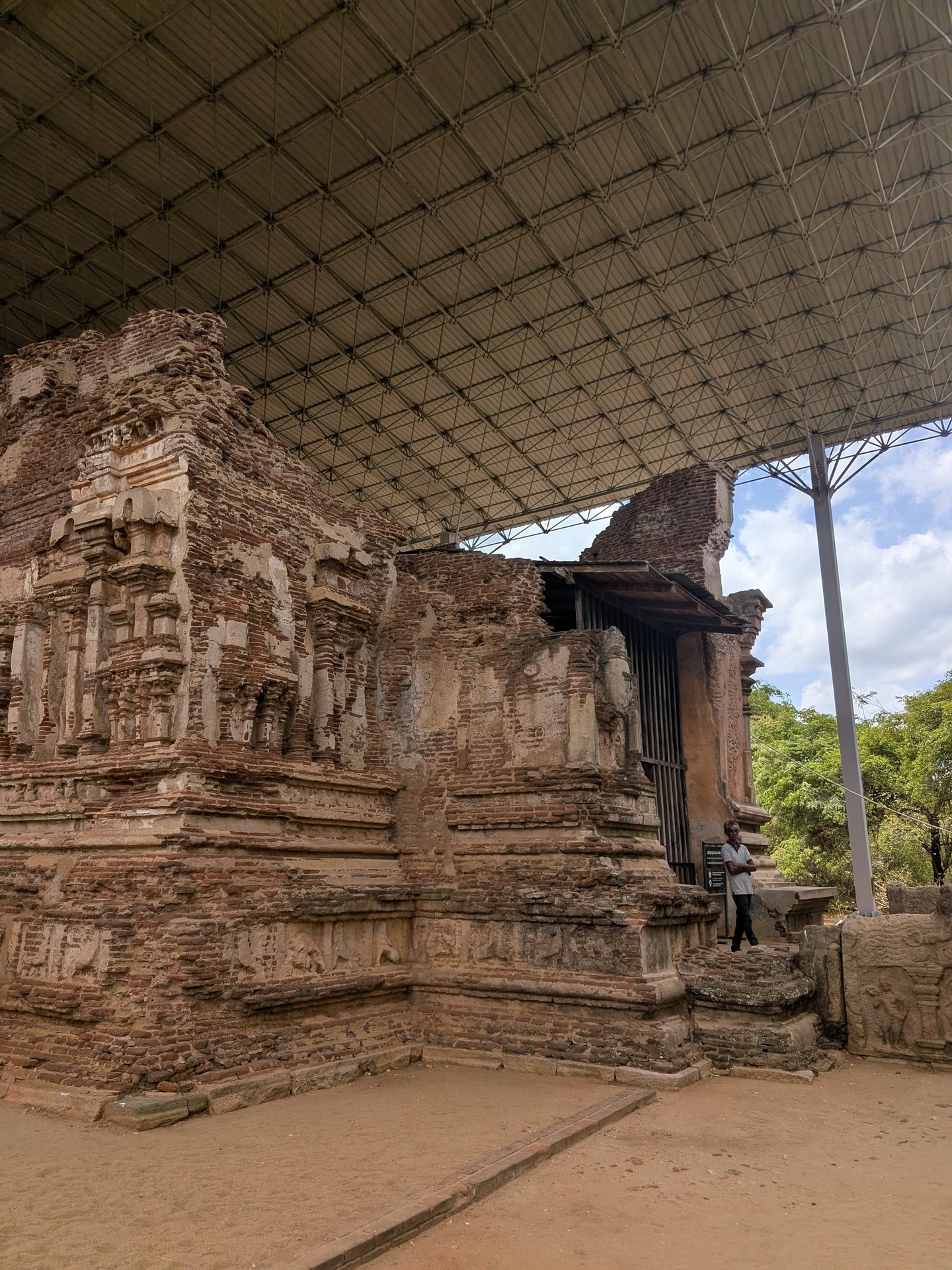
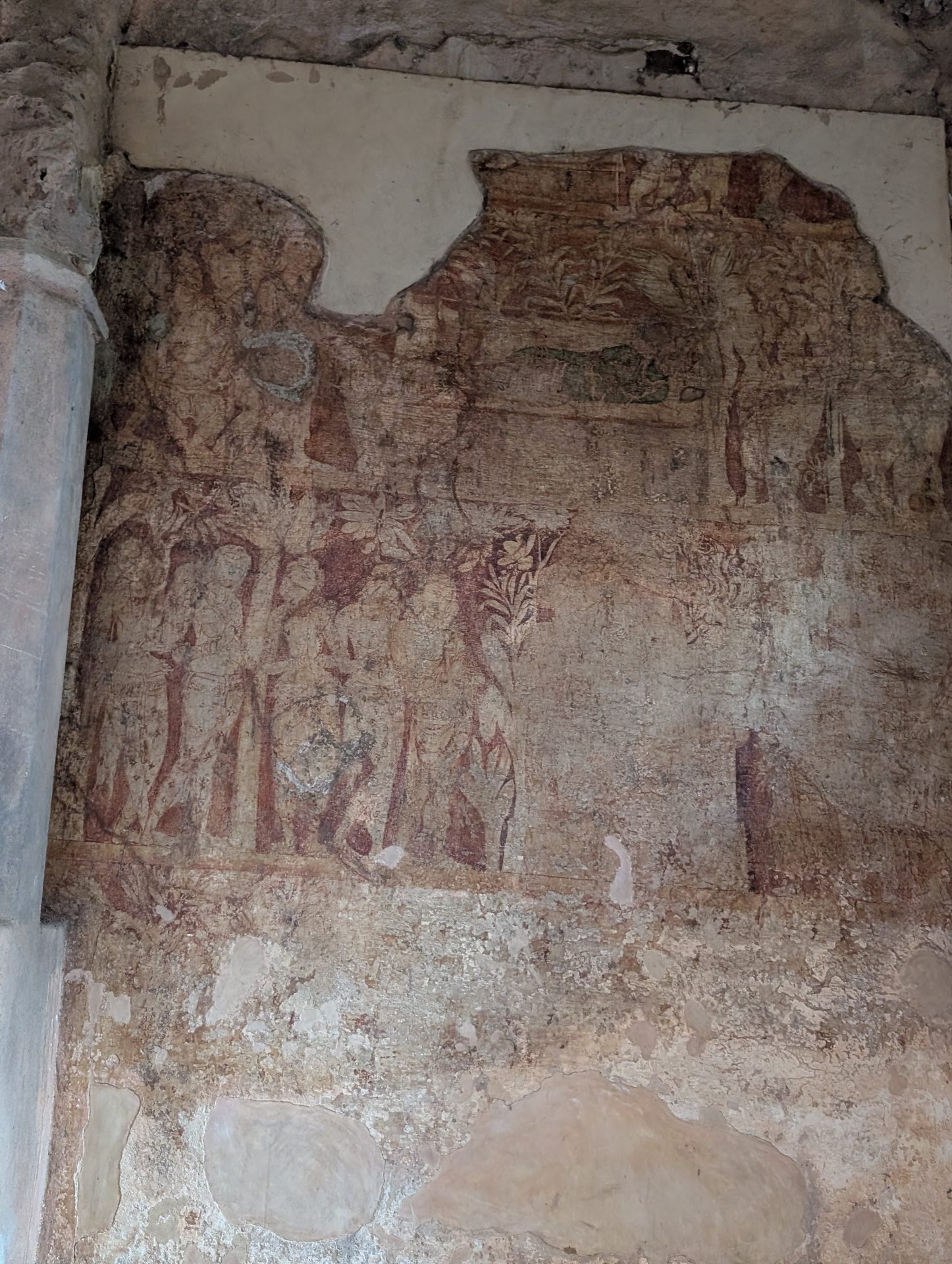
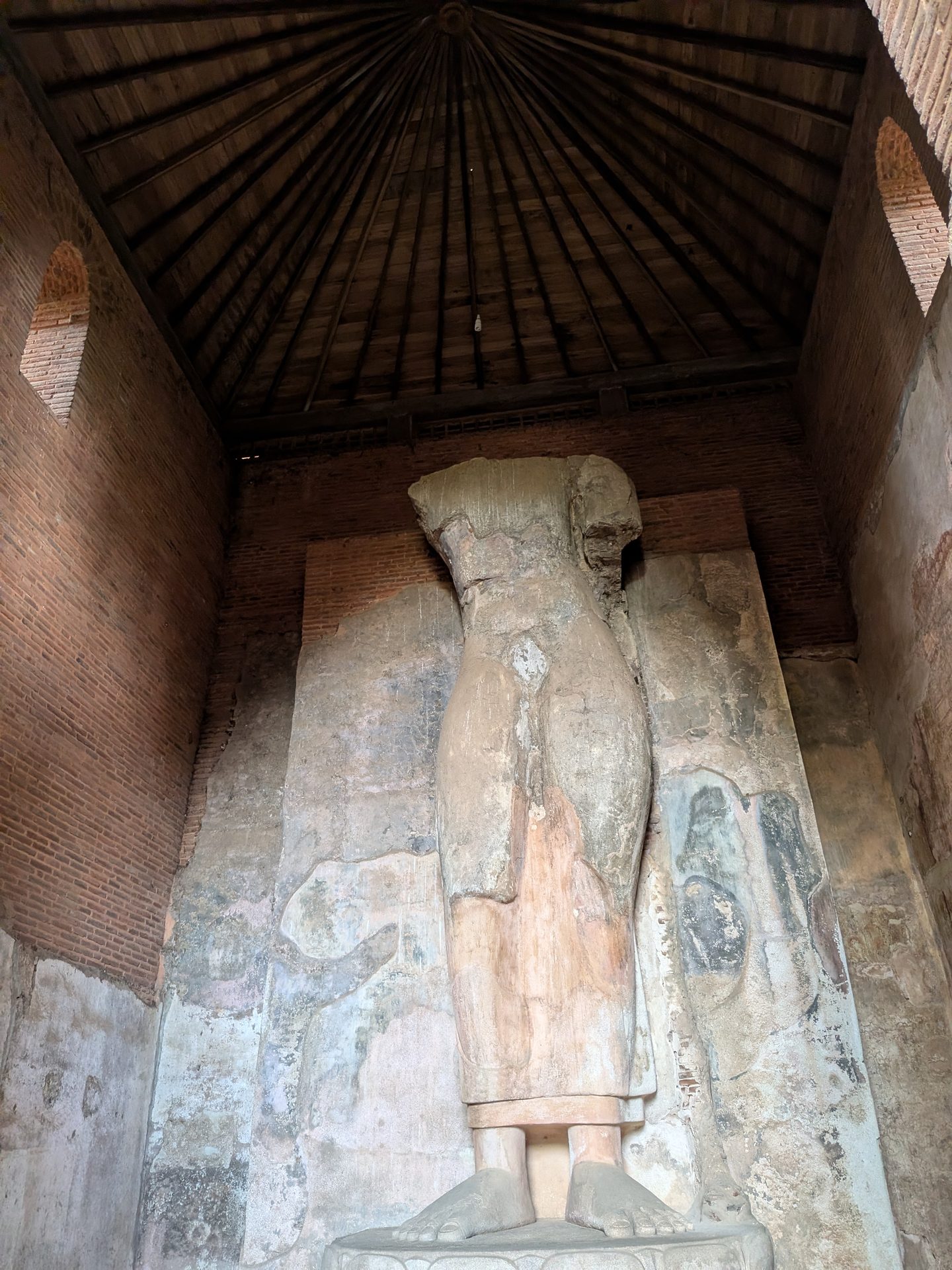
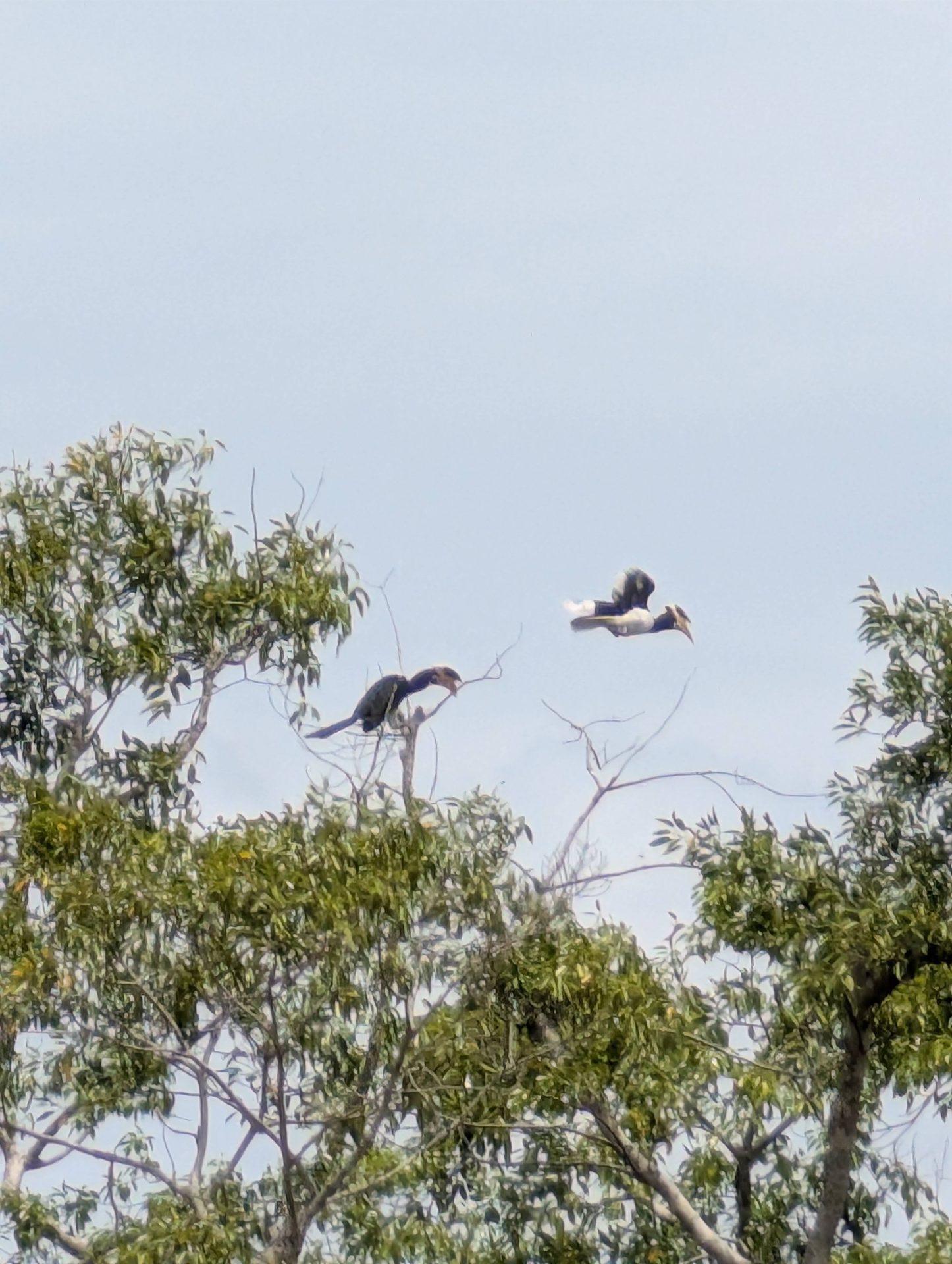
Further north, the Lotus Pond is a small stone bath built in the shape of an open lotus flower. The Thivanka Image House nearby still has some of the only surviving paintings from the Polonnaruwa period on its inner walls, plus a large headless Buddha statue. We also spotted hornbills in the trees along the way.
Potgul Vehera Statue
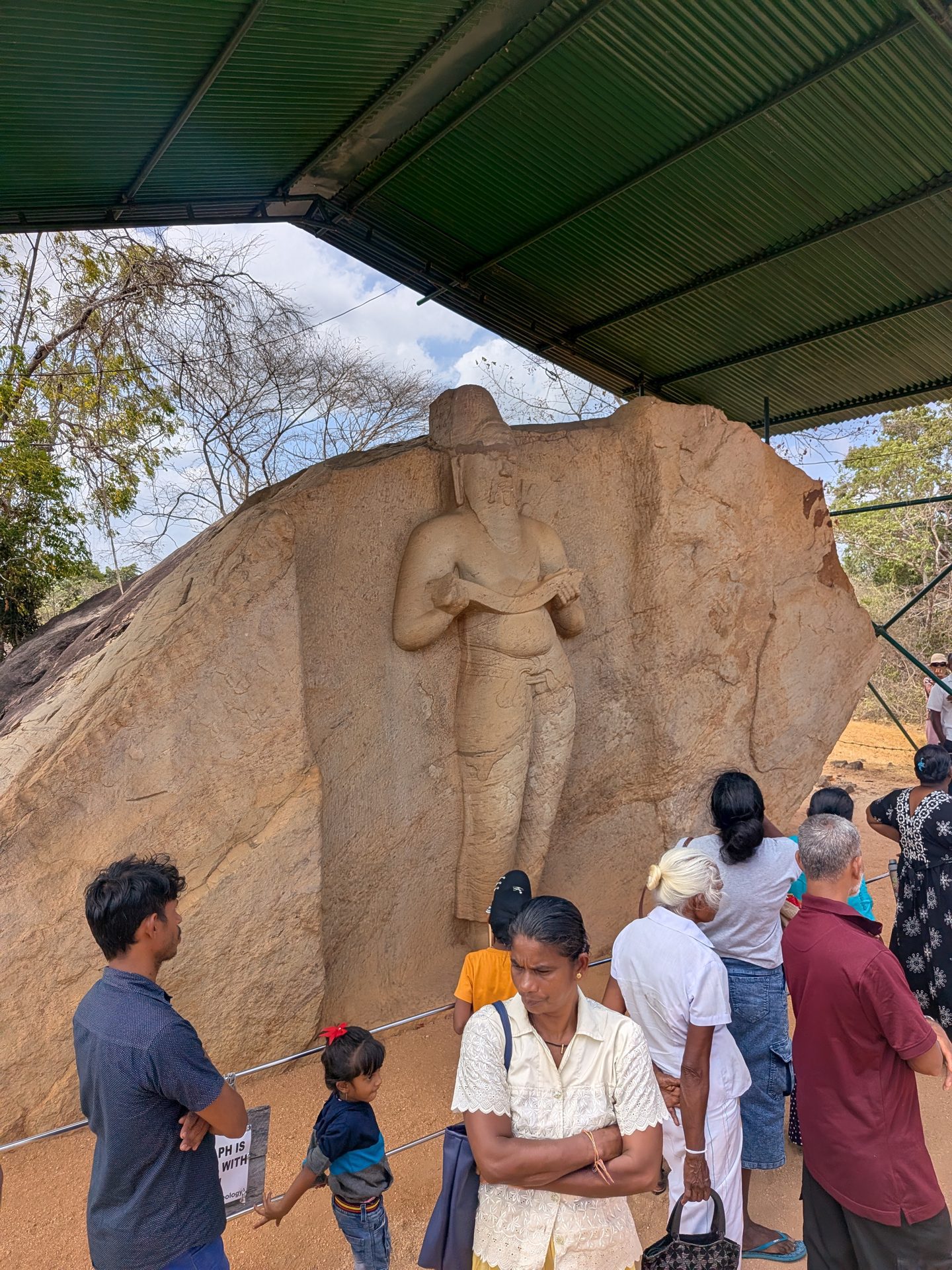
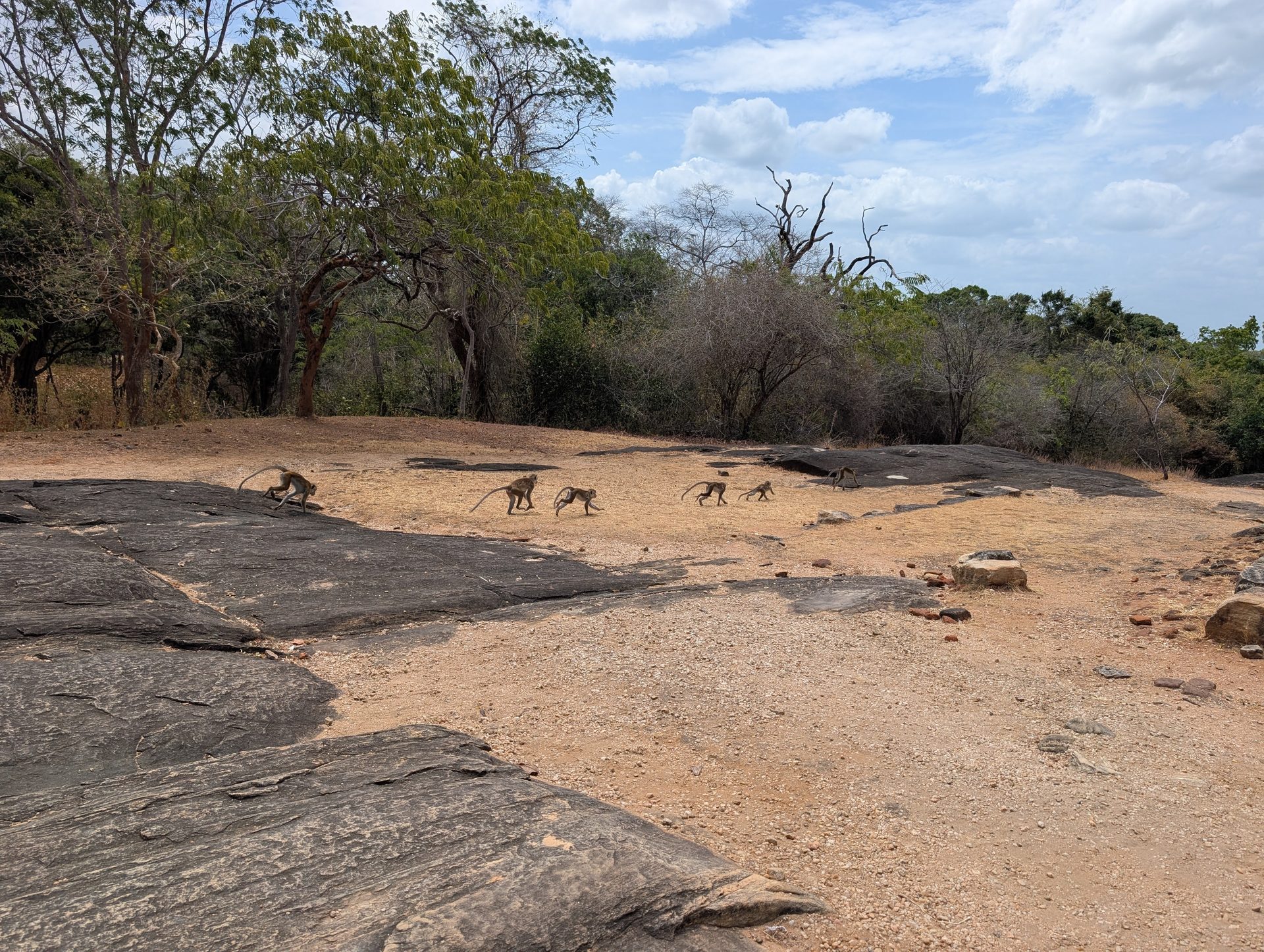
On the way out we stopped at the Potgul Vehera statue, a 3.4 meter figure carved into a boulder near the lake. It is widely believed to show King Parakramabahu I, although historians are not completely sure who it is. Monkeys were sunning themselves on the rocks nearby.
Polonnaruwa Tips
- Tickets: as of October 2026, the Central Cultural Fund lists USD 30 for foreign adults and USD 15 for children aged 6 to 12. We paid the local rate. Buy tickets at the ticket office by the museum or online, not from anyone selling them on the road.
- Hours: about 7 a.m. to 5:30 p.m., with last entry at 5 p.m.
- Getting around: the site is spread out over several kilometers. We drove between the main groups, which is the easiest option in the heat. Bikes are also popular.
- Guide: not needed, but hire one if you want the full history. Our driver filled in some of the stories.
- Shoes and dress: cover shoulders and knees, and expect to take shoes off at the temples. The ground gets hot by midday, so socks help.
On to Pasikudah
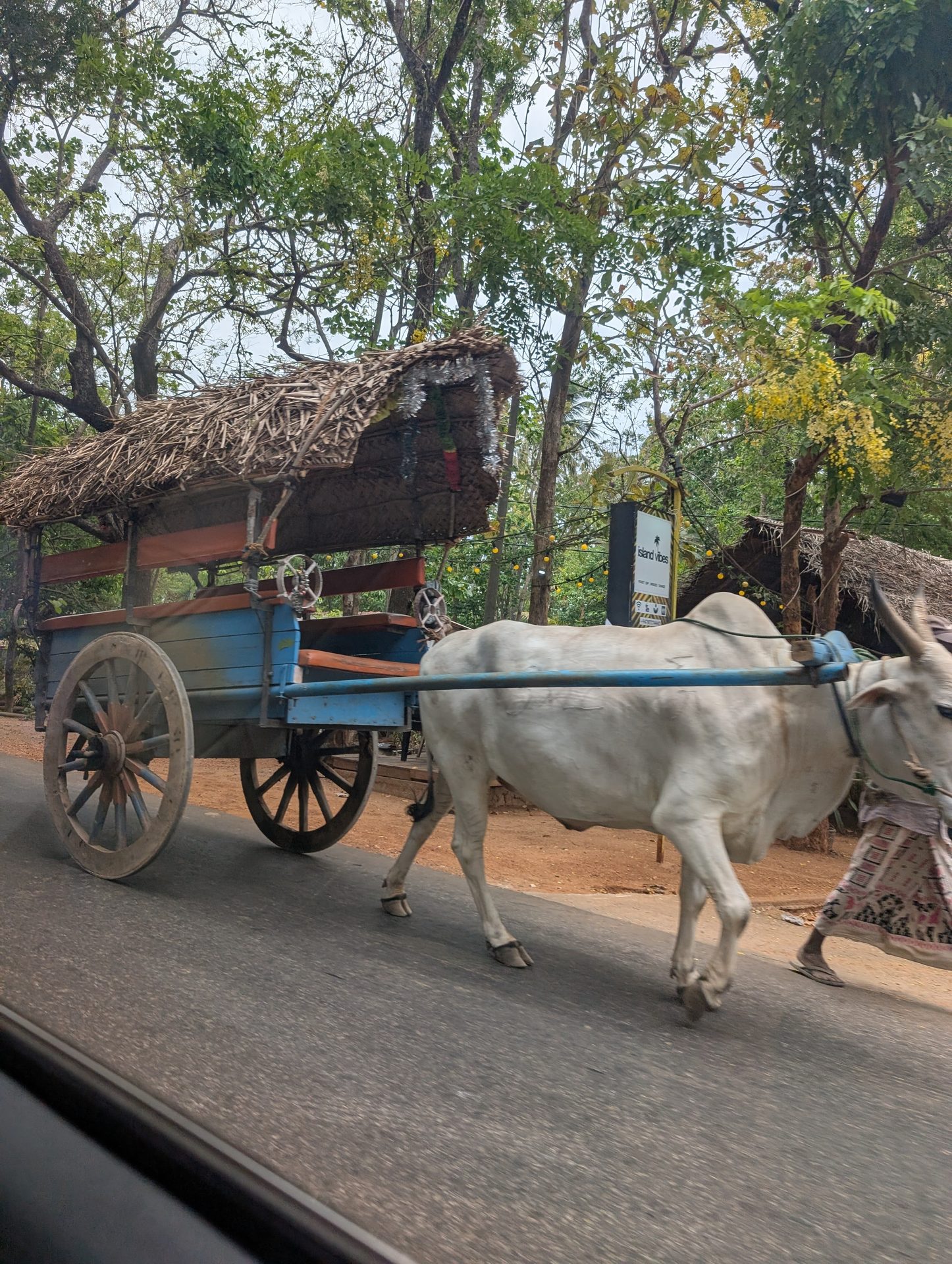
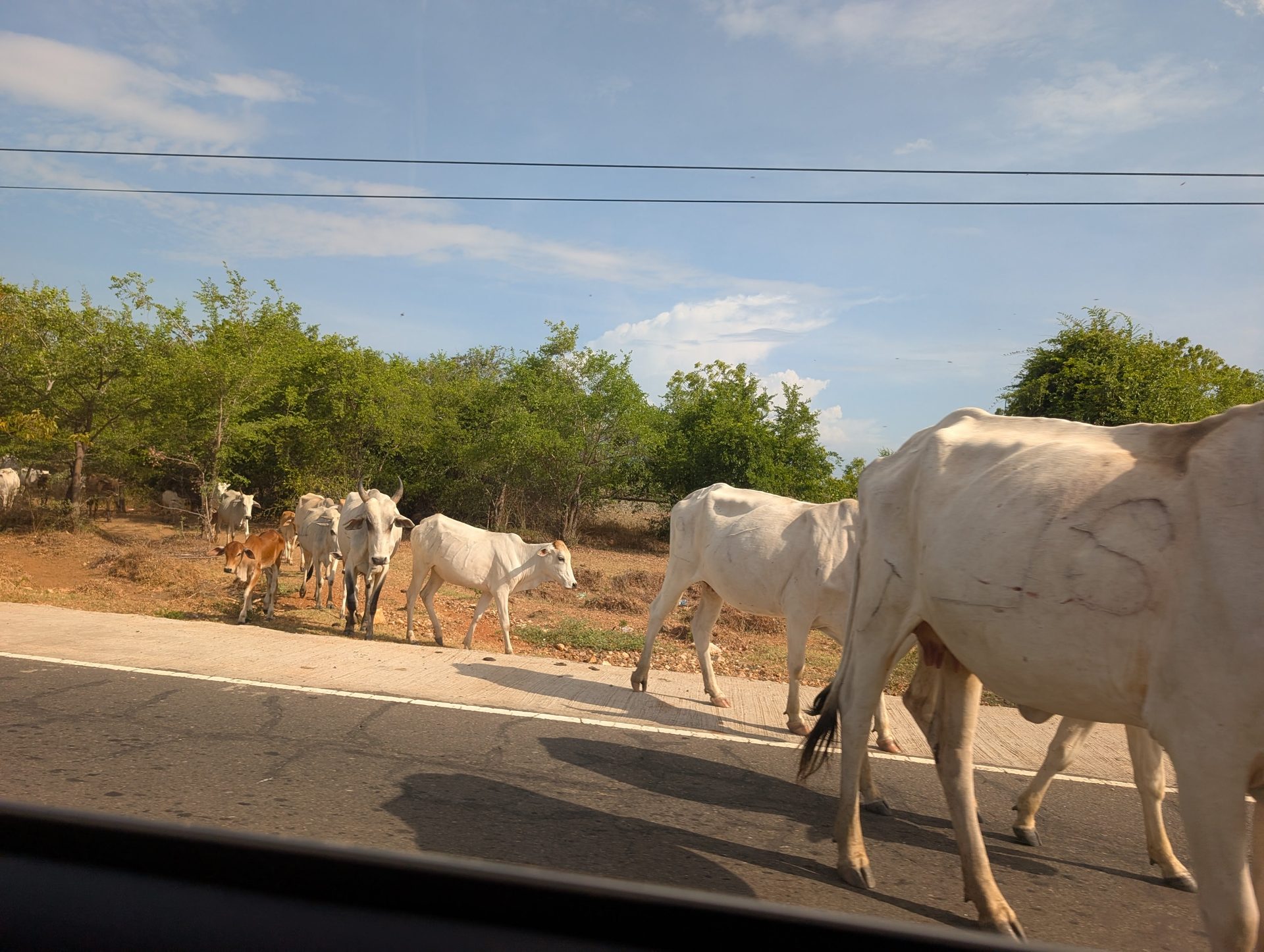
From Polonnaruwa it is about 1.5 to 2 hours east to Pasikudah, a calm, shallow bay on the east coast. We spent three nights at Anantaya Resort and Spa to rest between the two halves of this road trip. Our Anantaya Pasikudah review covers the resort, the beach and the food. The drive is flat and rural, with cattle wandering on the road.
Day 4: Minneriya Grasslands and Dambulla Cave Temple
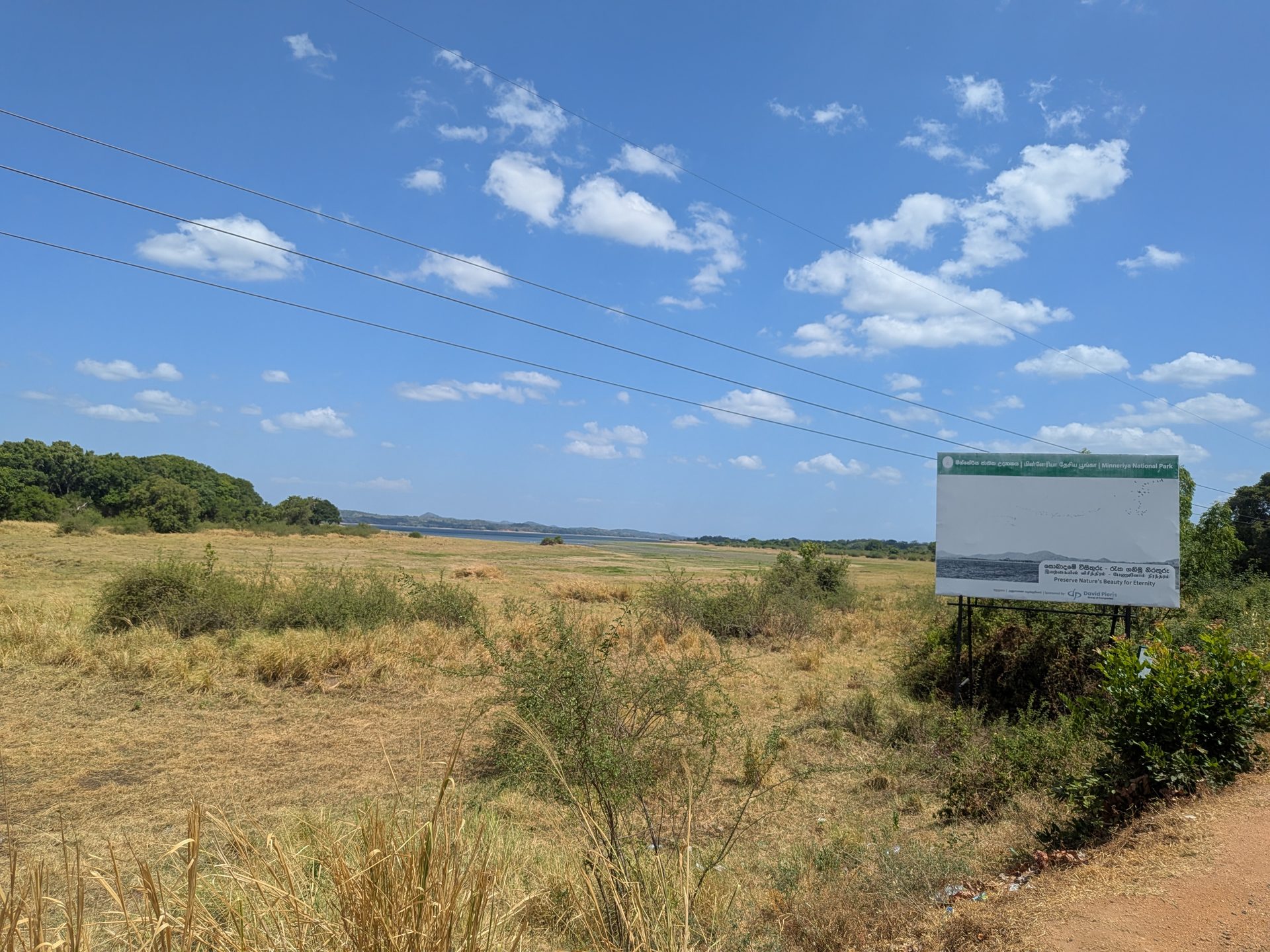
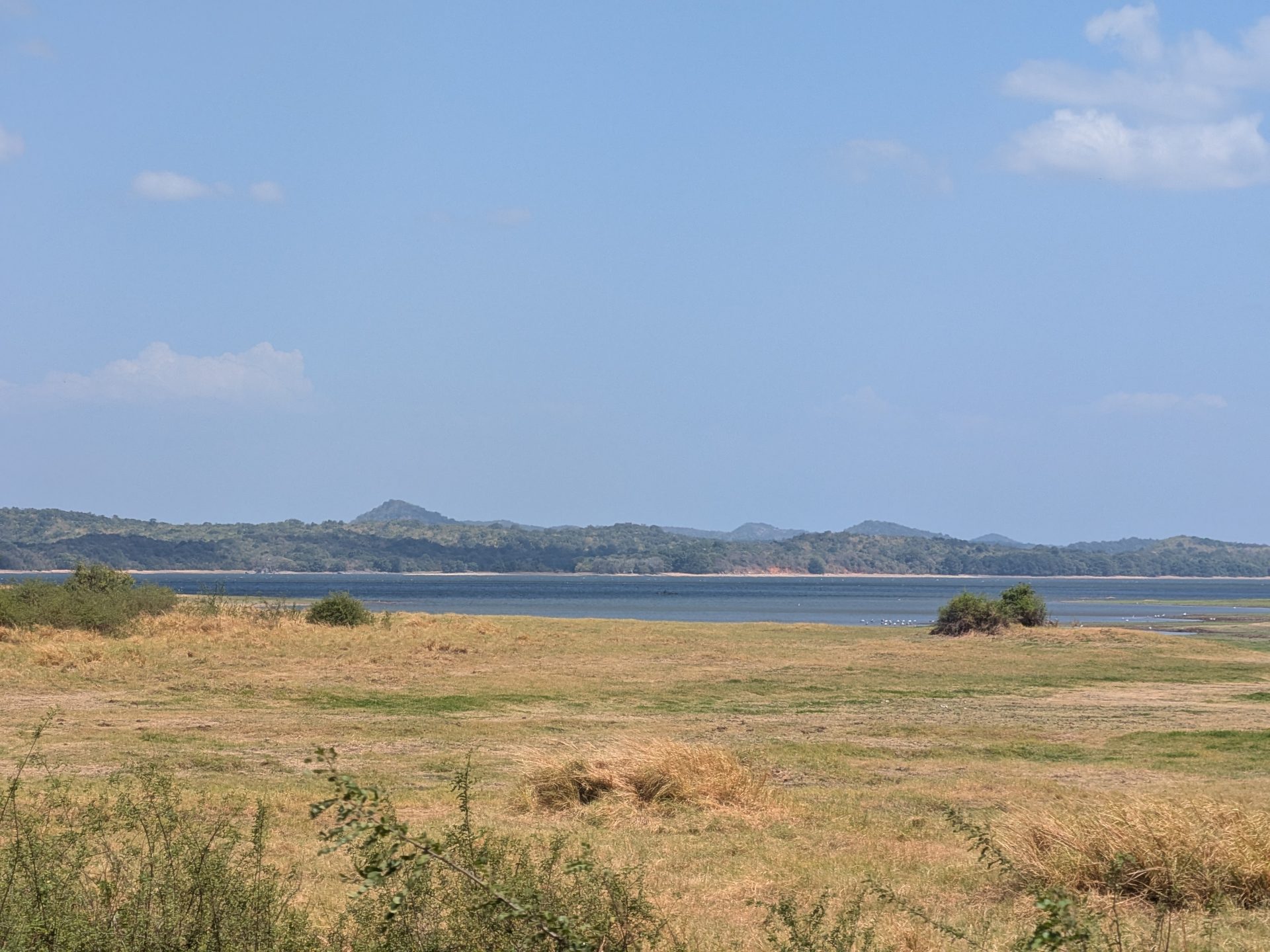
Coming back from the east coast, the road to Dambulla passes the edge of Minneriya, where big open grasslands roll down to the reservoir. From roughly July to September, hundreds of wild elephants gather on these grasslands to graze, which is known as the Gathering. We only saw it from the road and did not do a safari, but if you have an extra afternoon, a jeep safari at Minneriya or nearby Kaudulla is a great add-on.
Dambulla Cave Temple
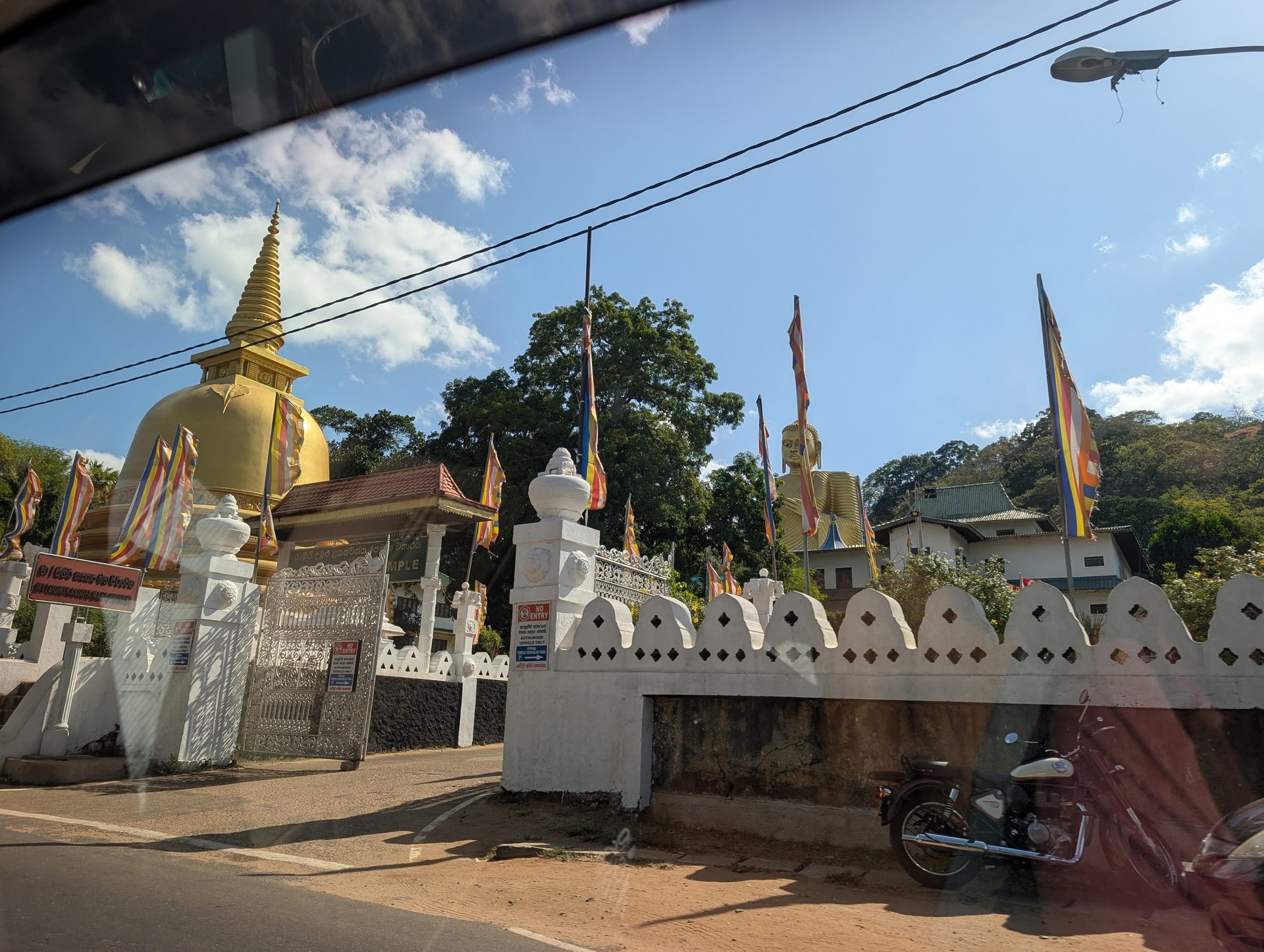
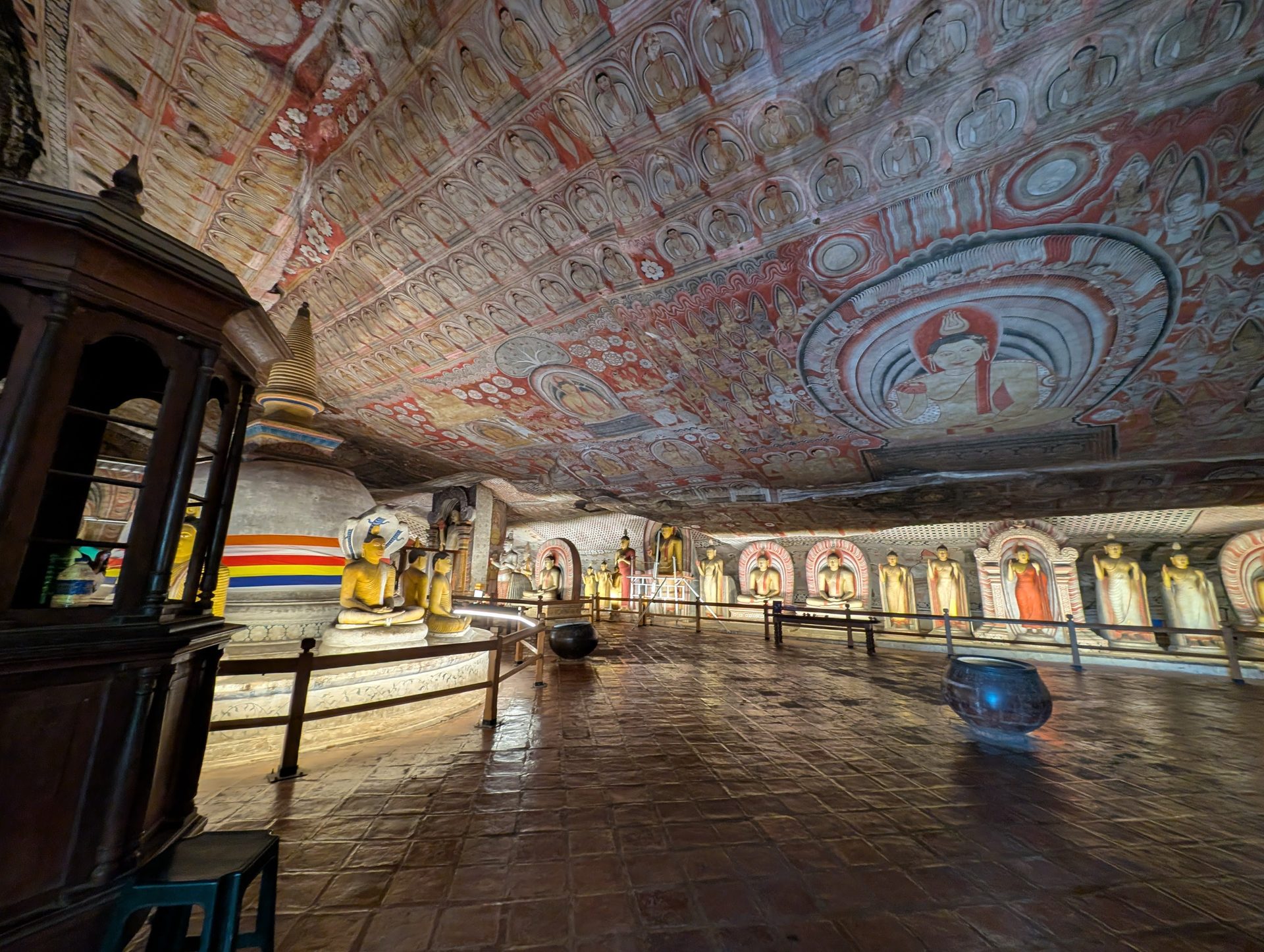
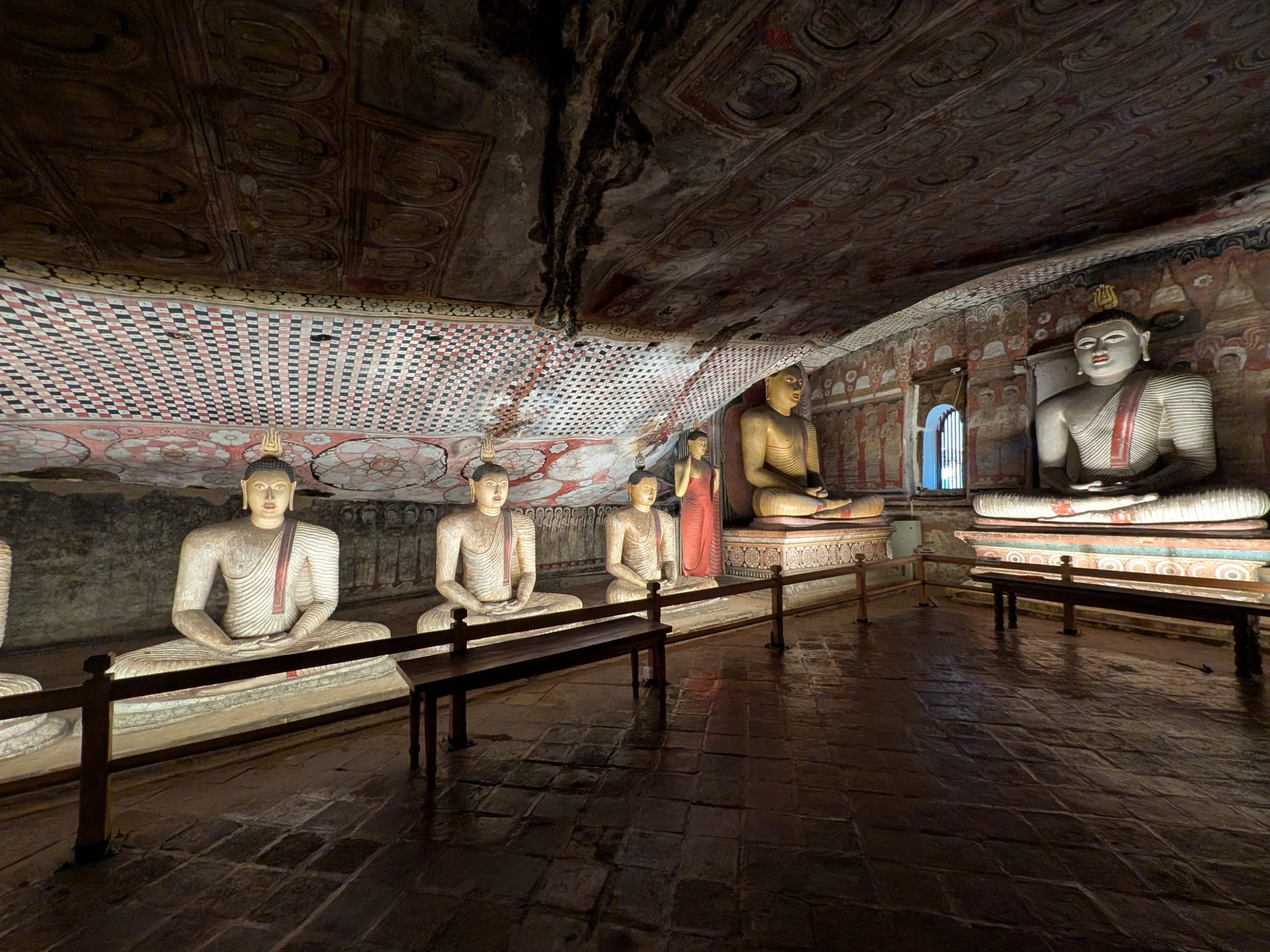
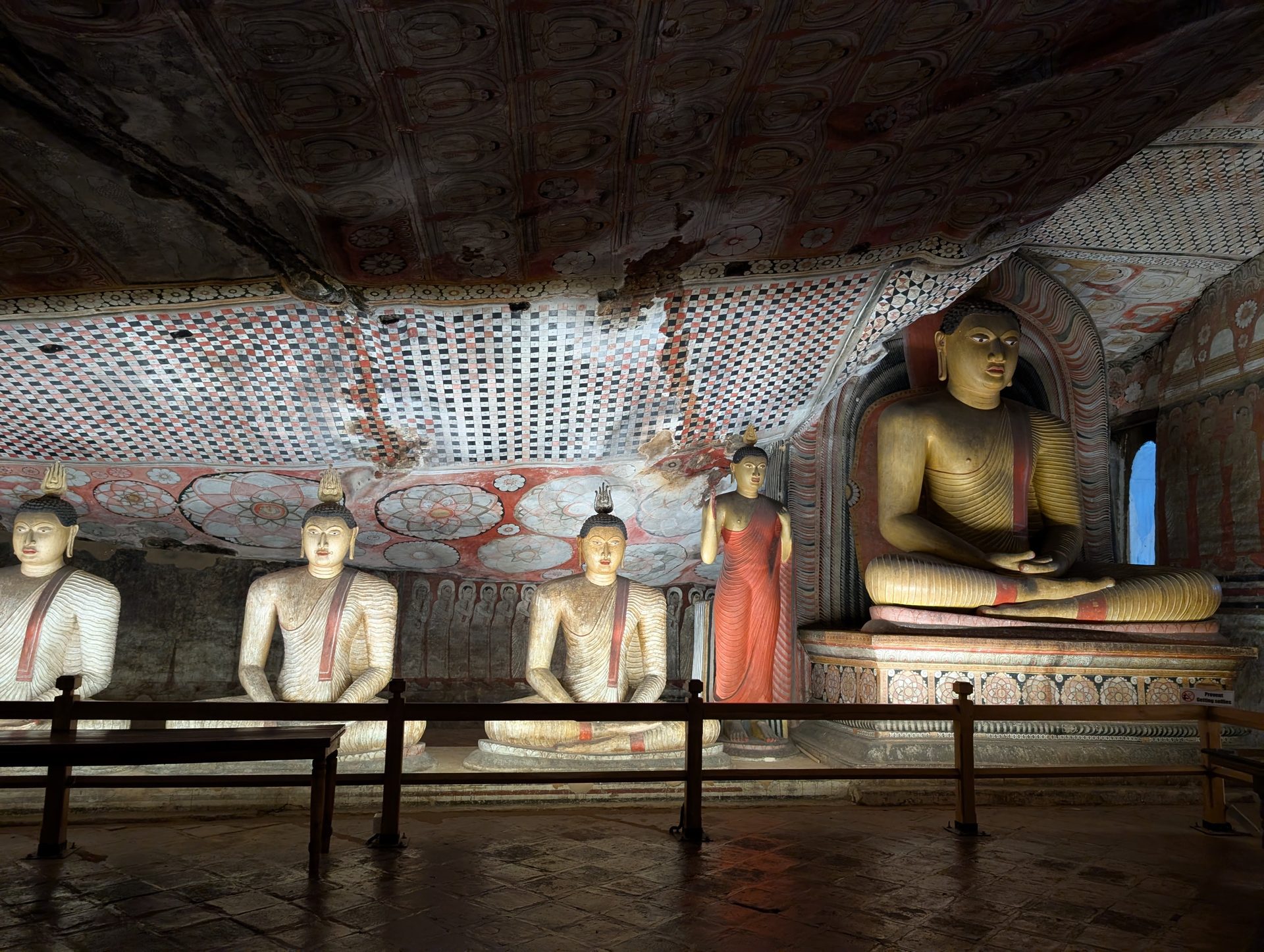
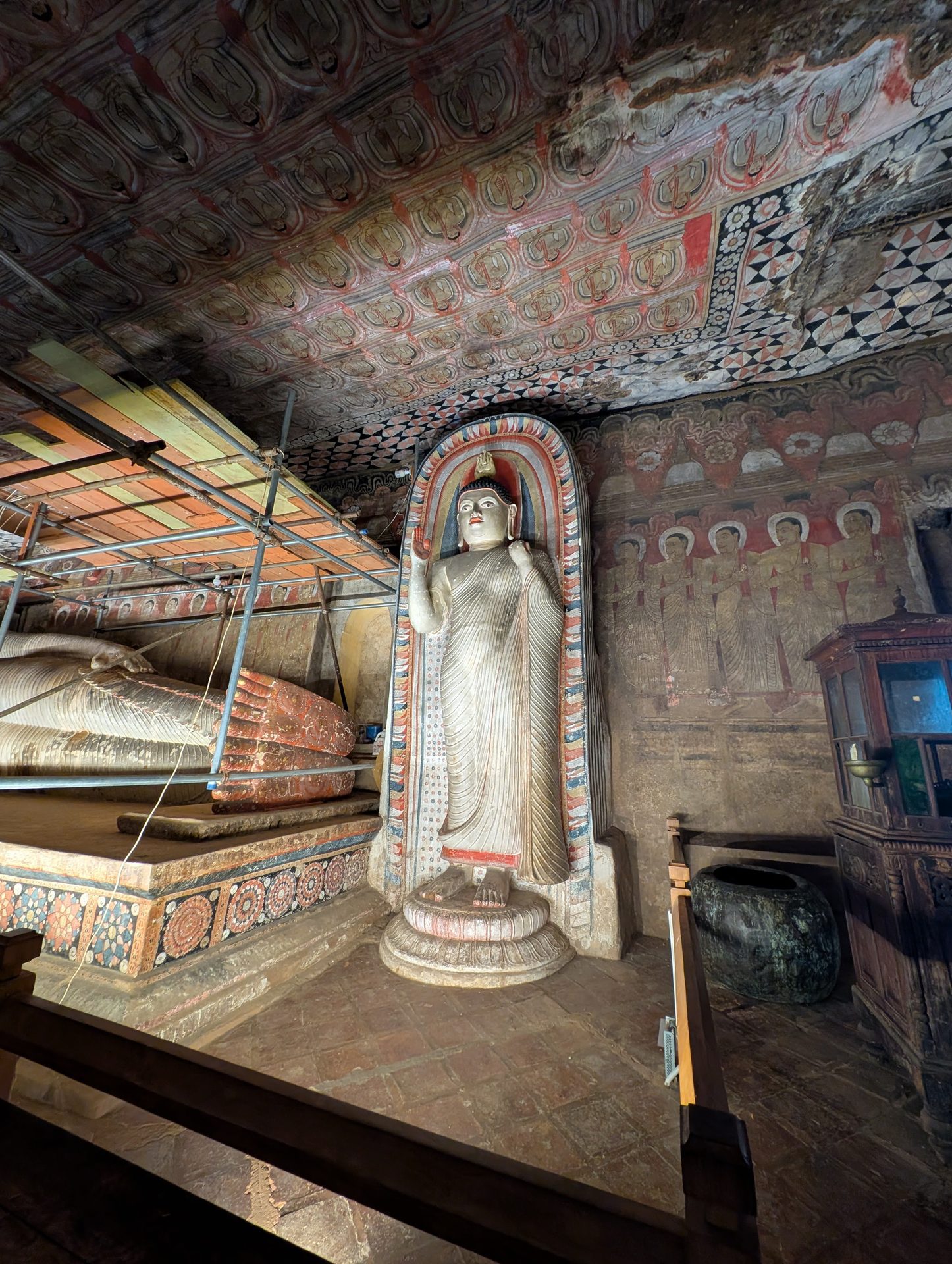
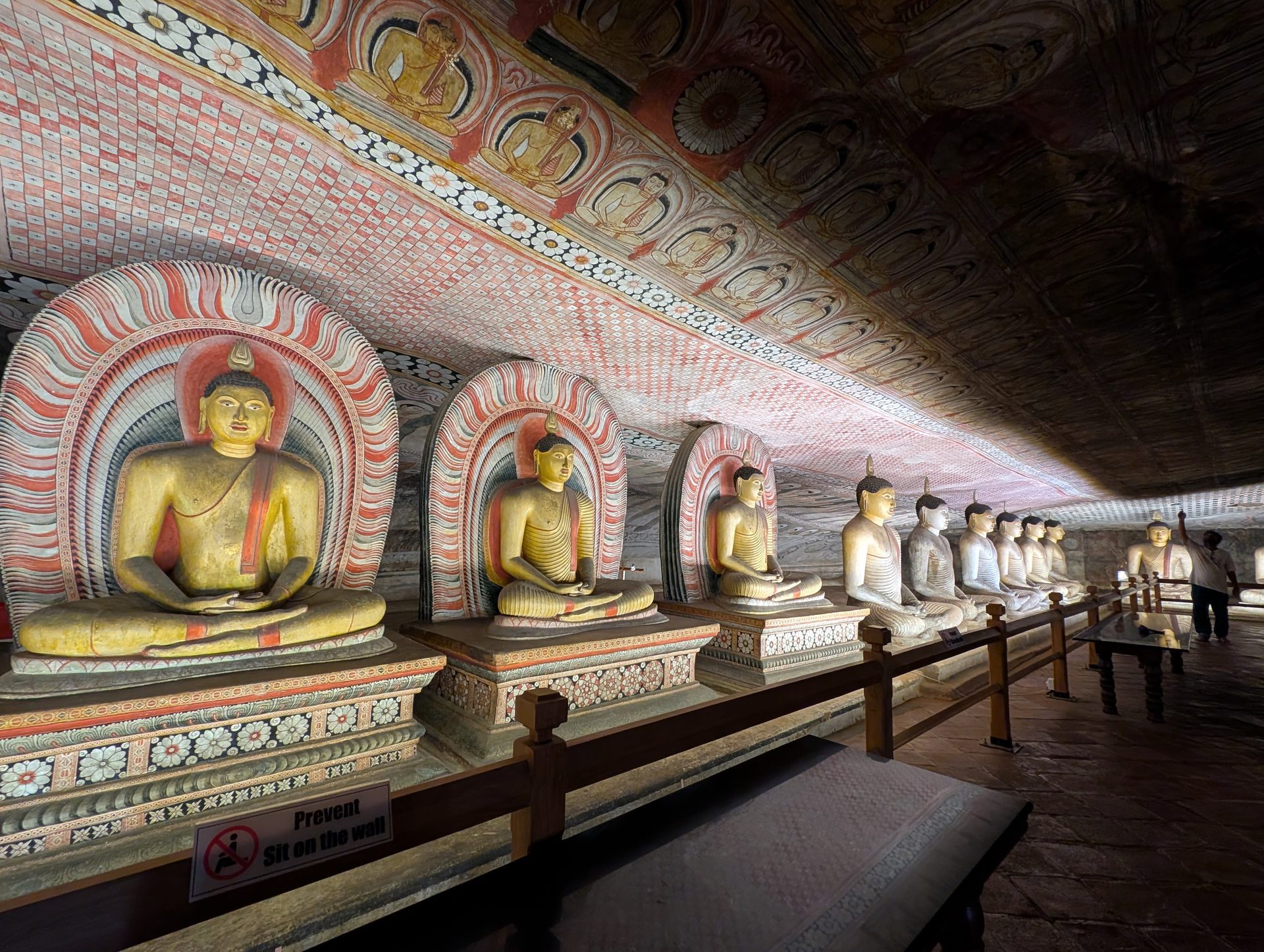
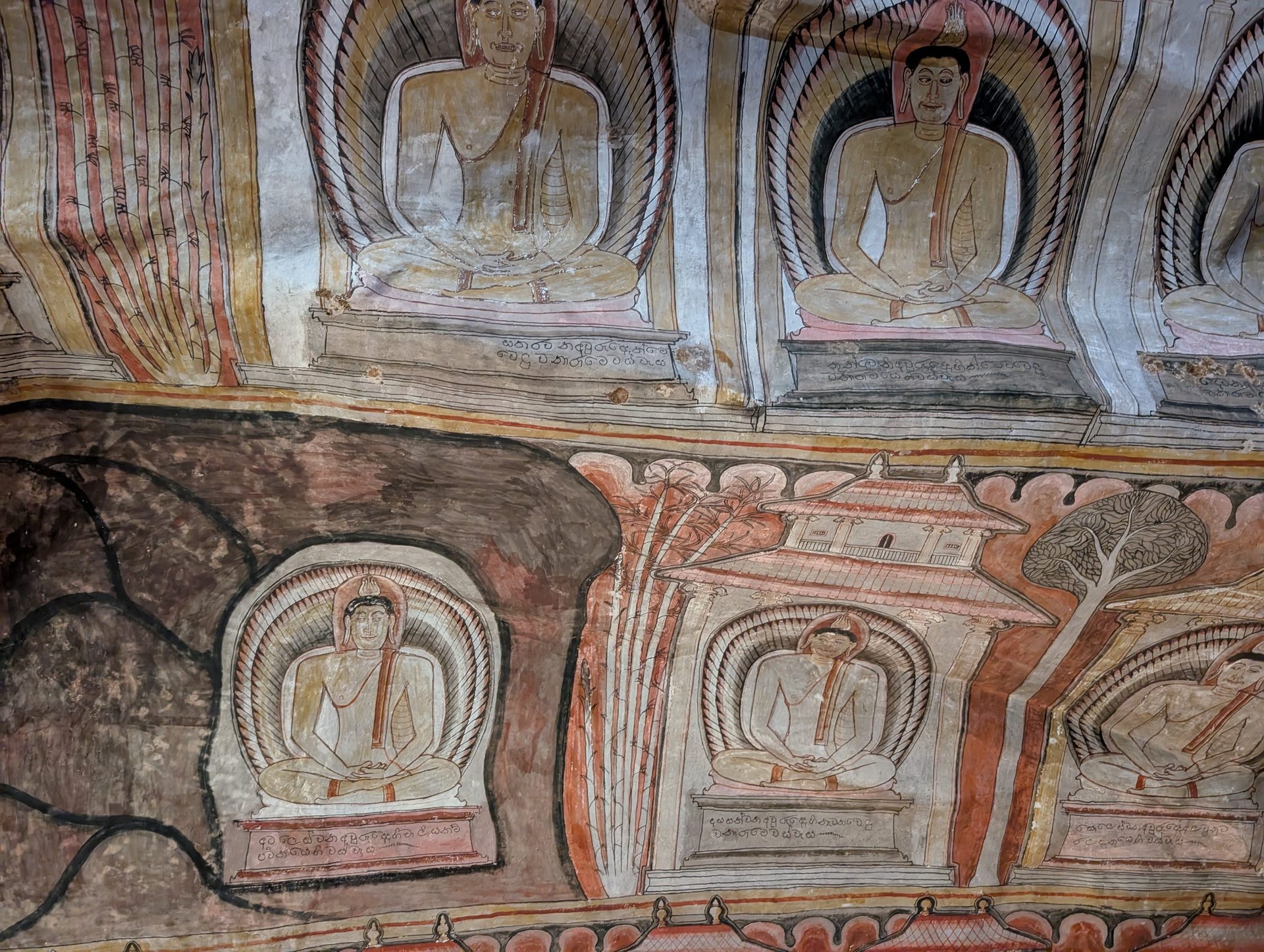
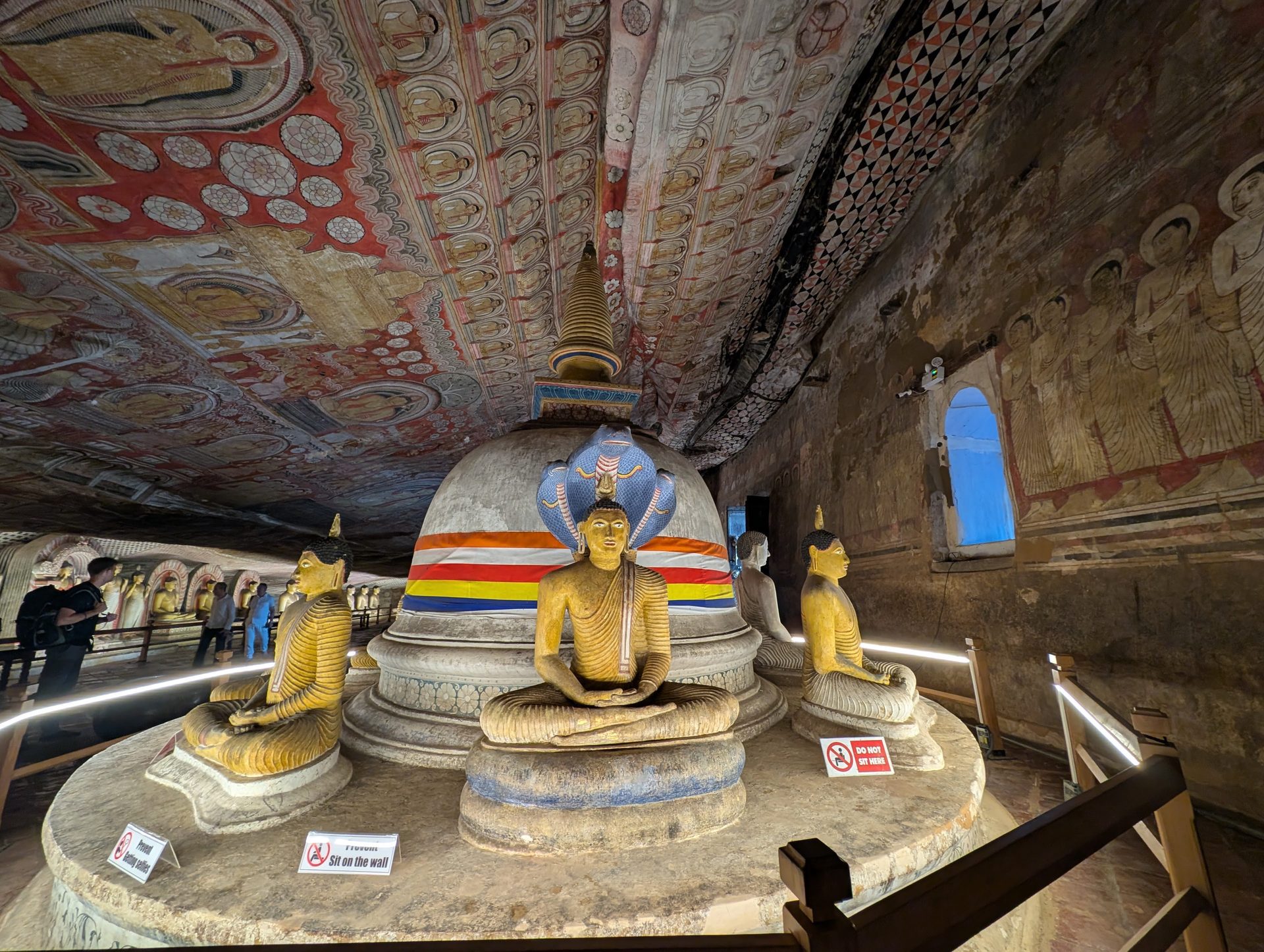
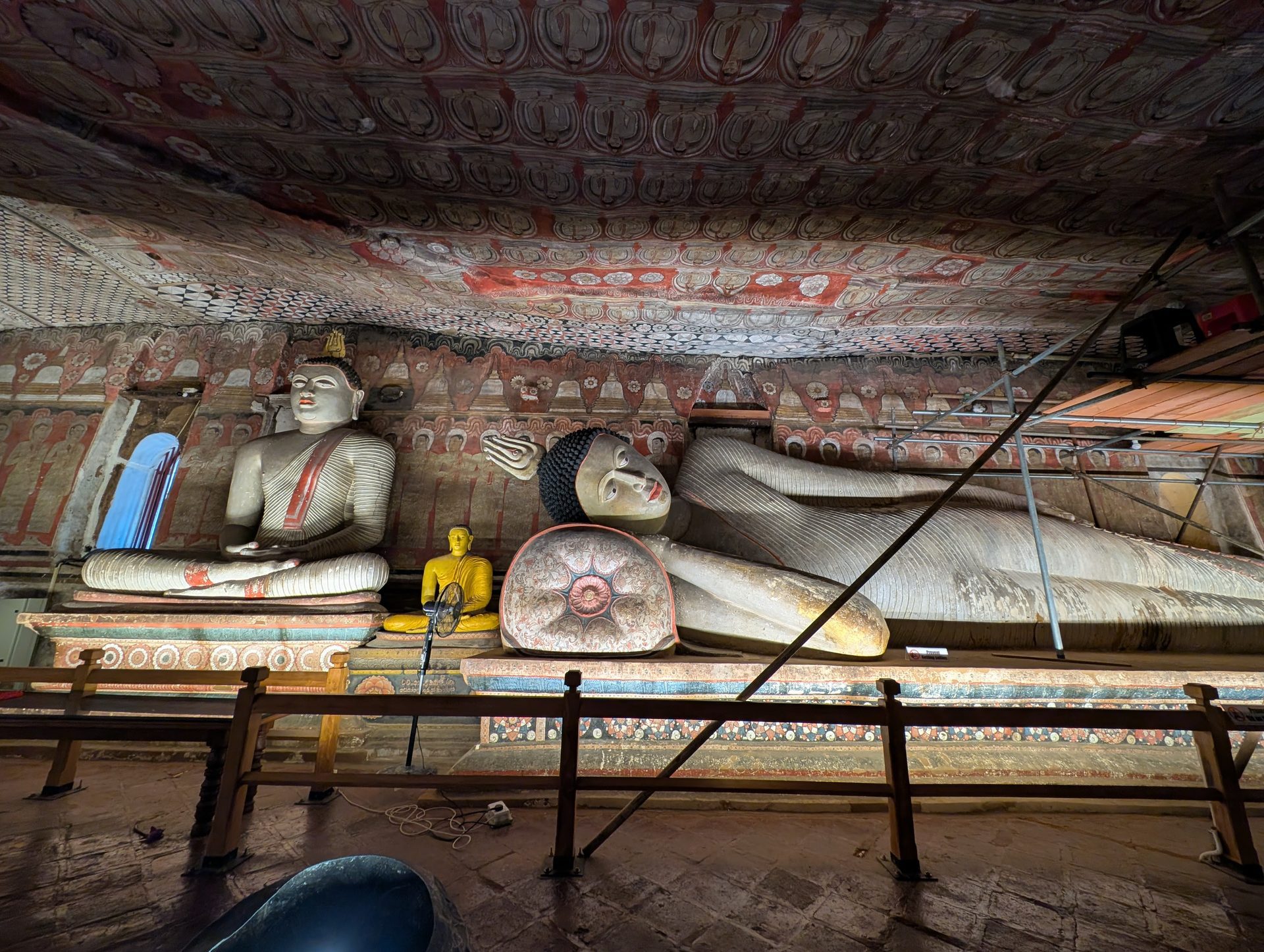
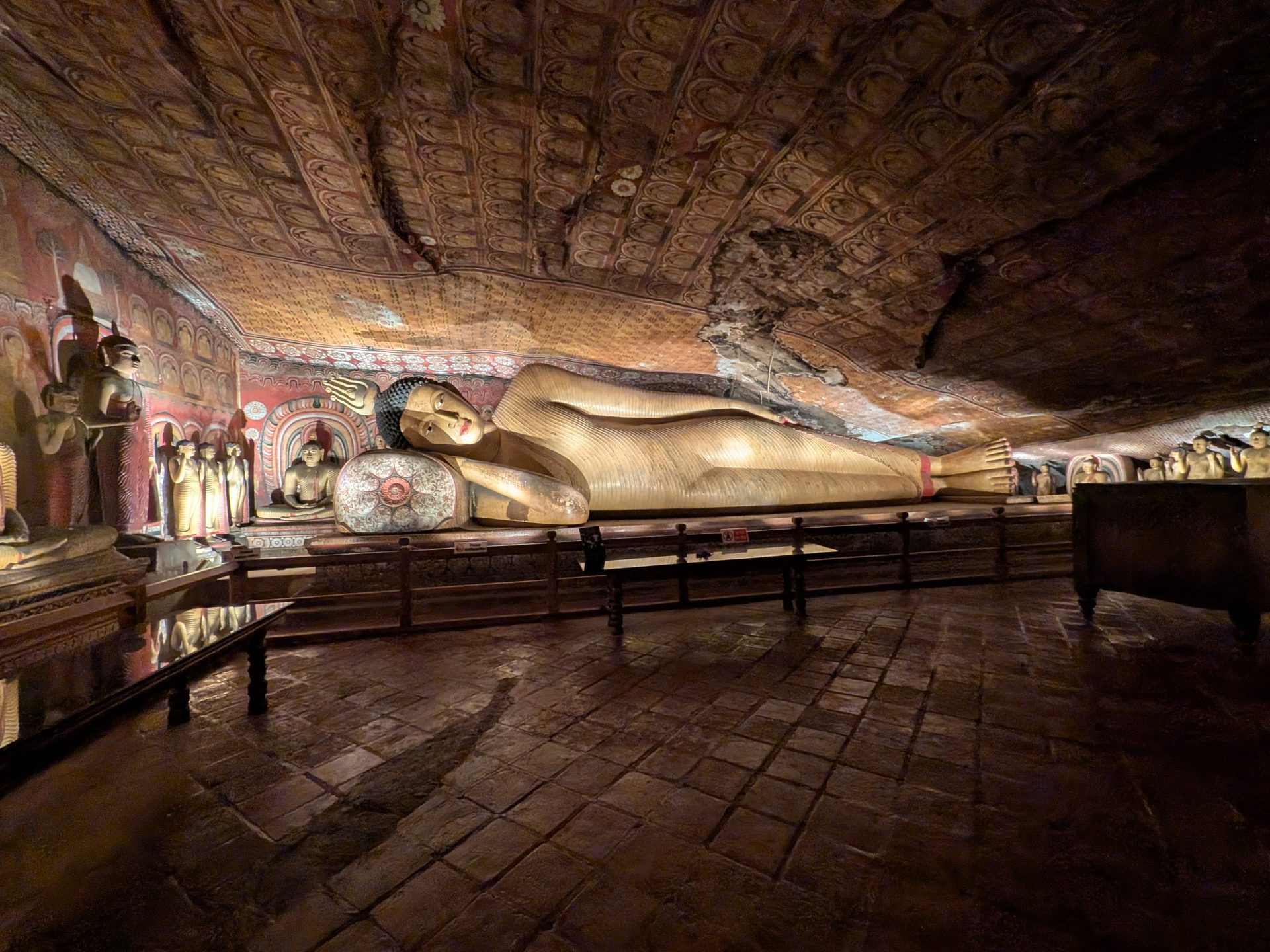
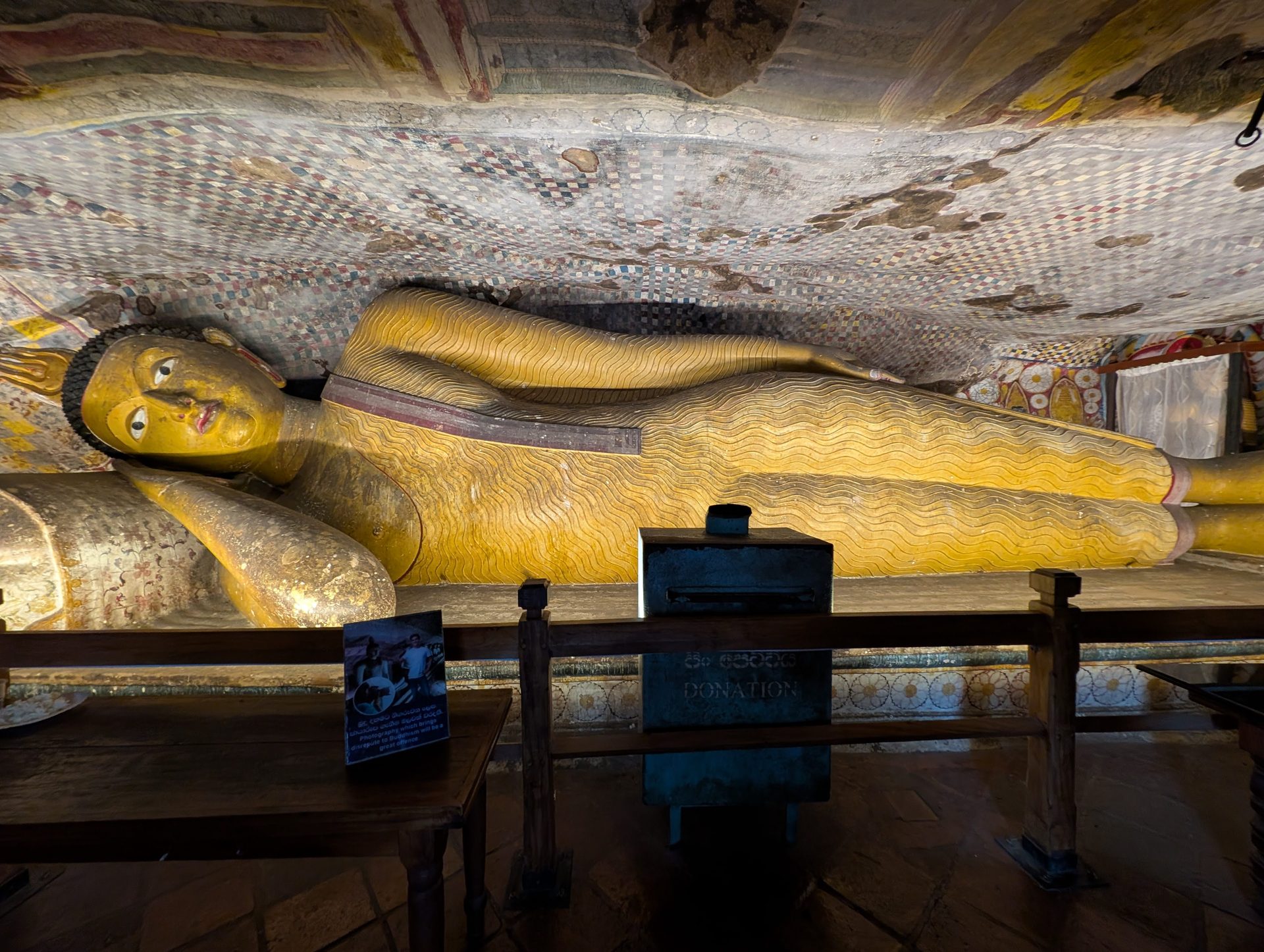
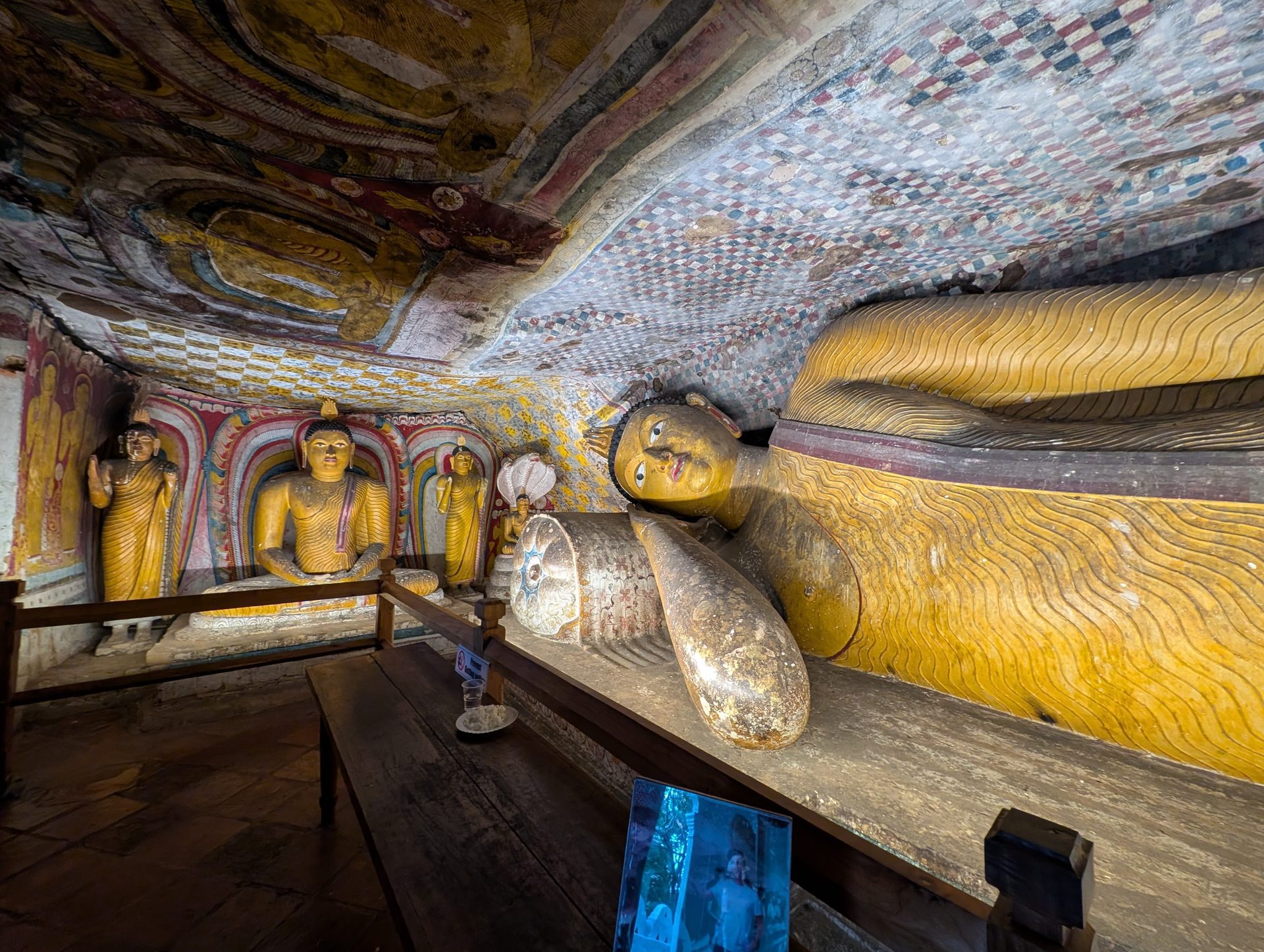
Dambulla Cave Temple, also called the Golden Temple, is a set of five caves under a giant rock, filled with more than 150 Buddha statues and painted ceilings that cover almost every surface. It is a working temple and a UNESCO World Heritage Site. Dambulla Caves is definitely worth a visit.
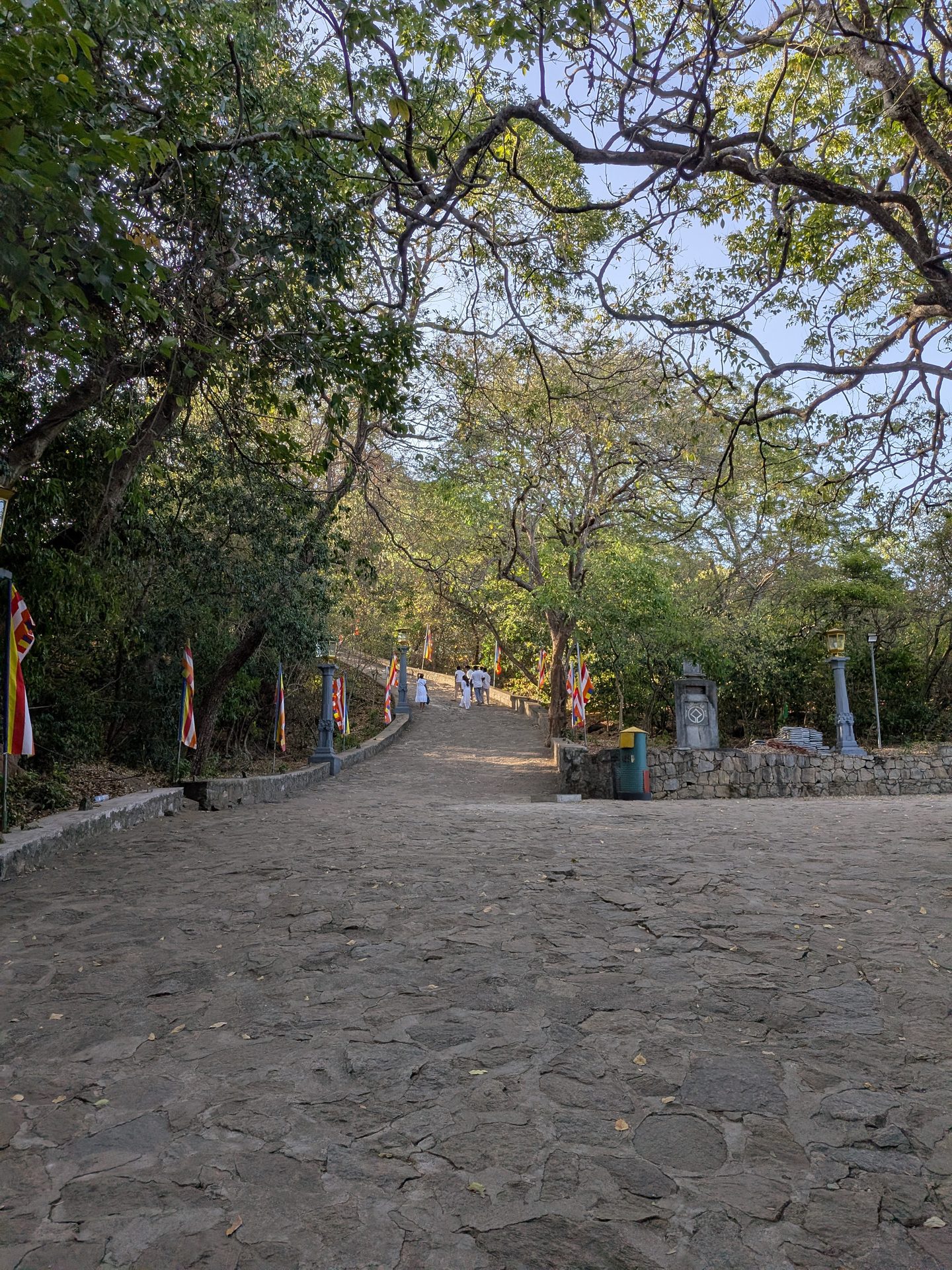
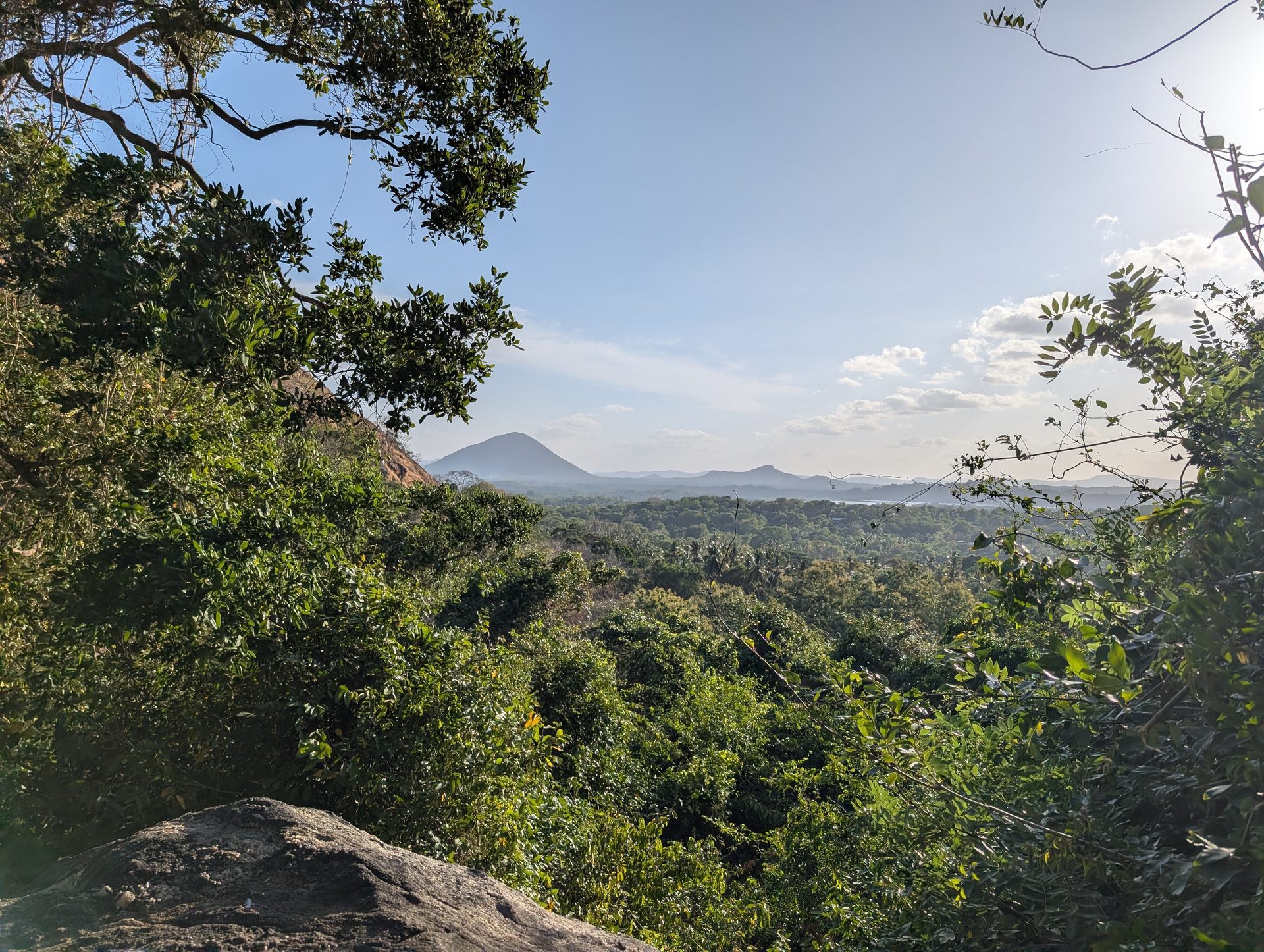
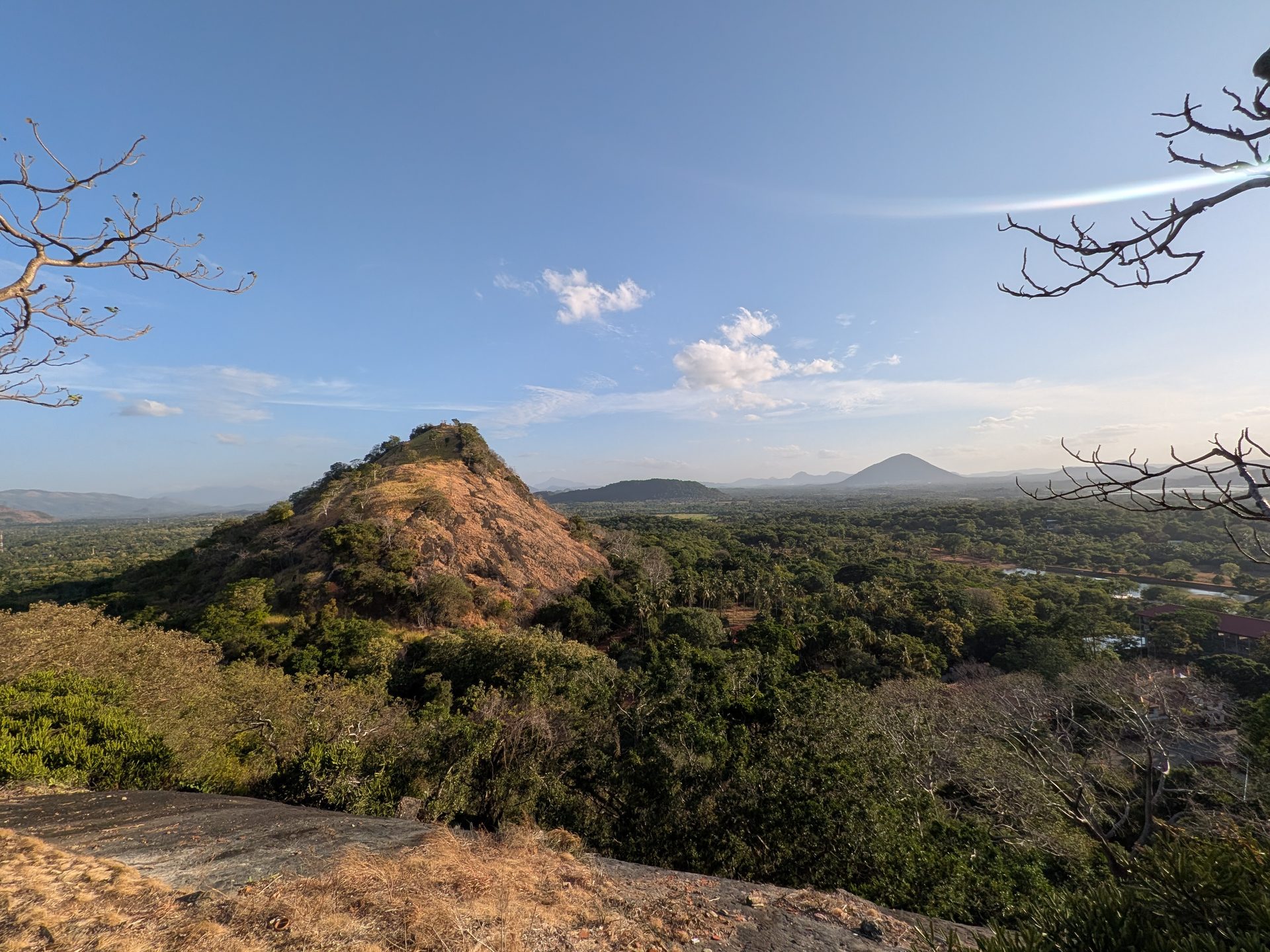
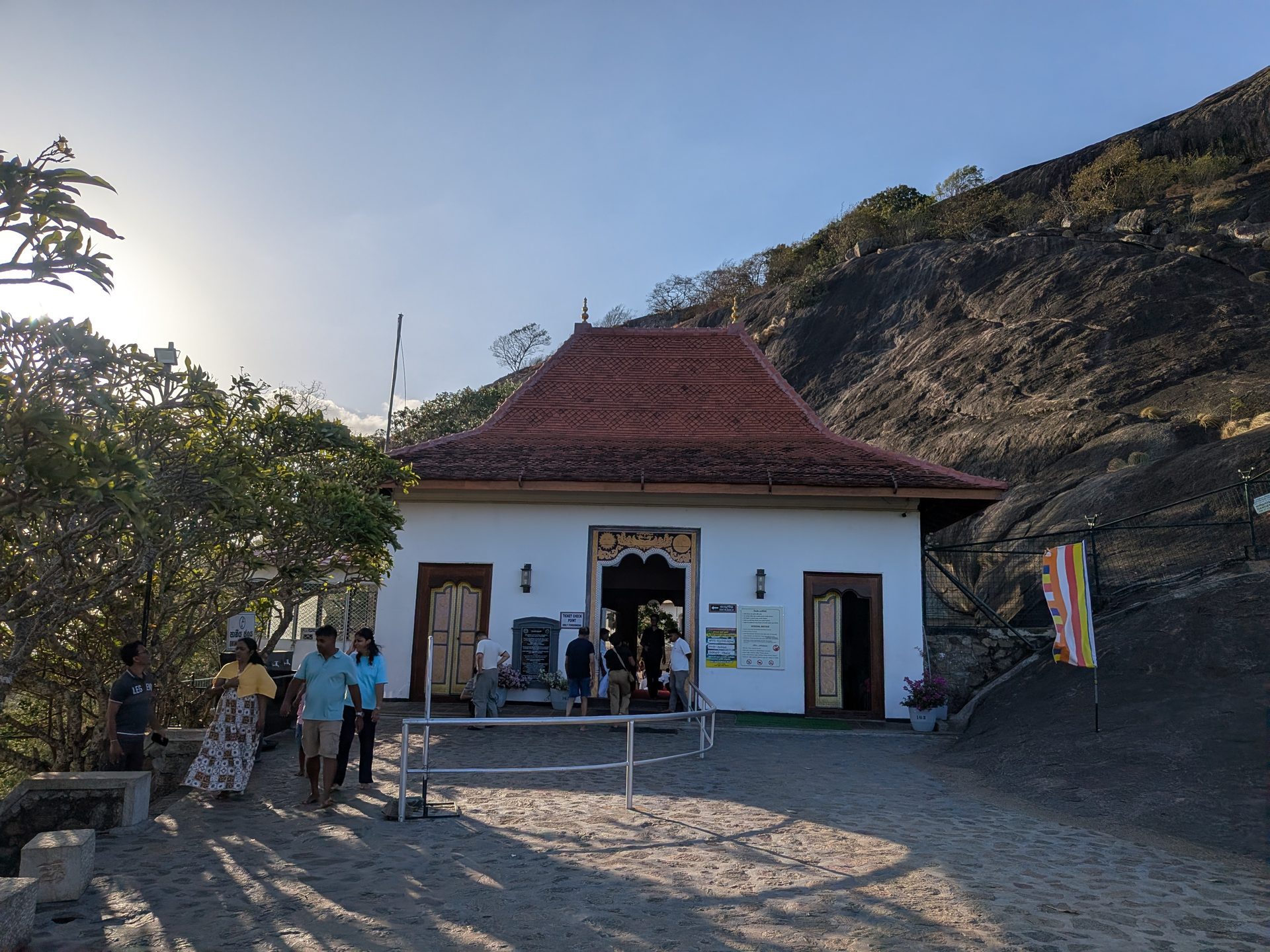
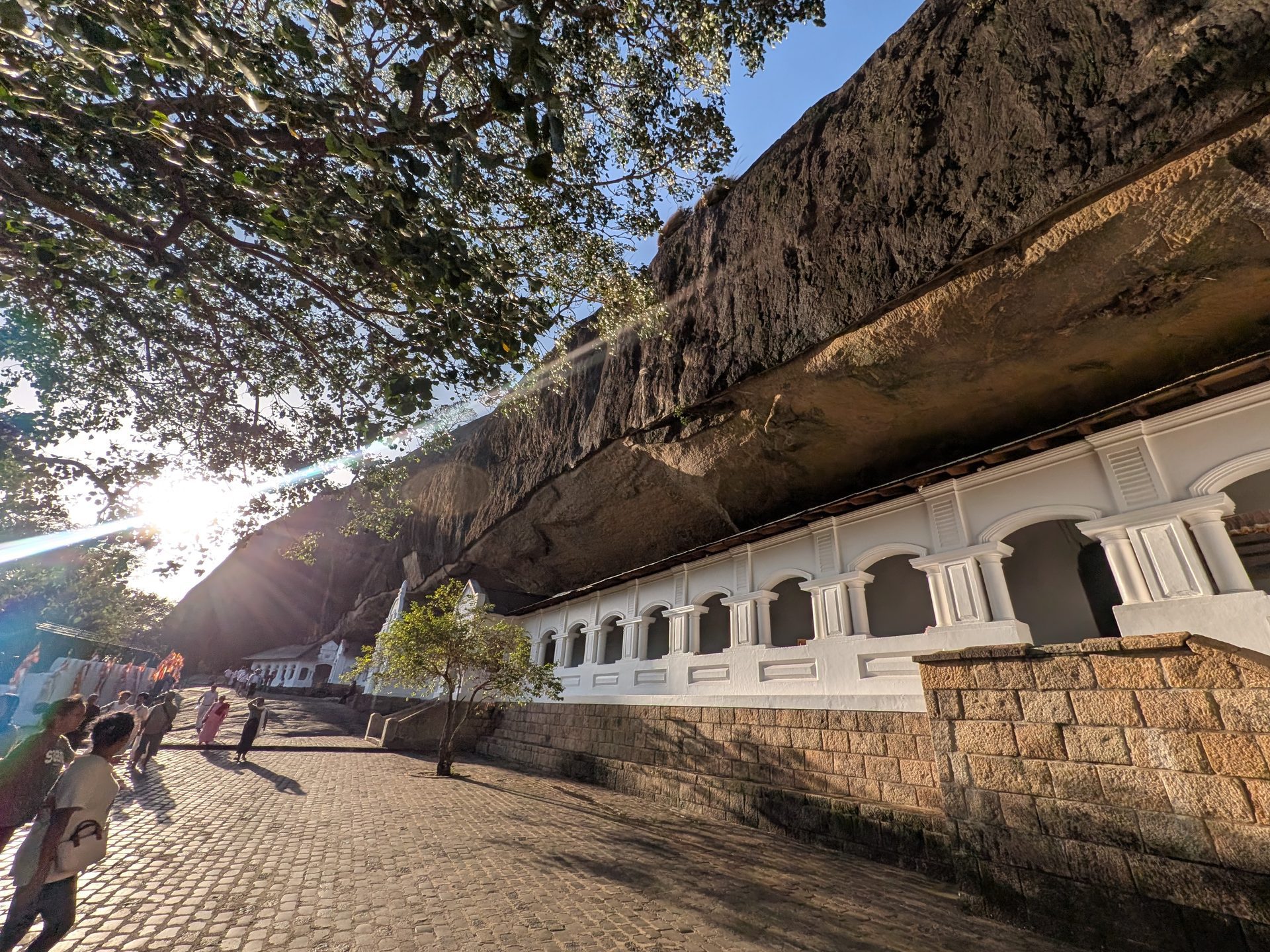
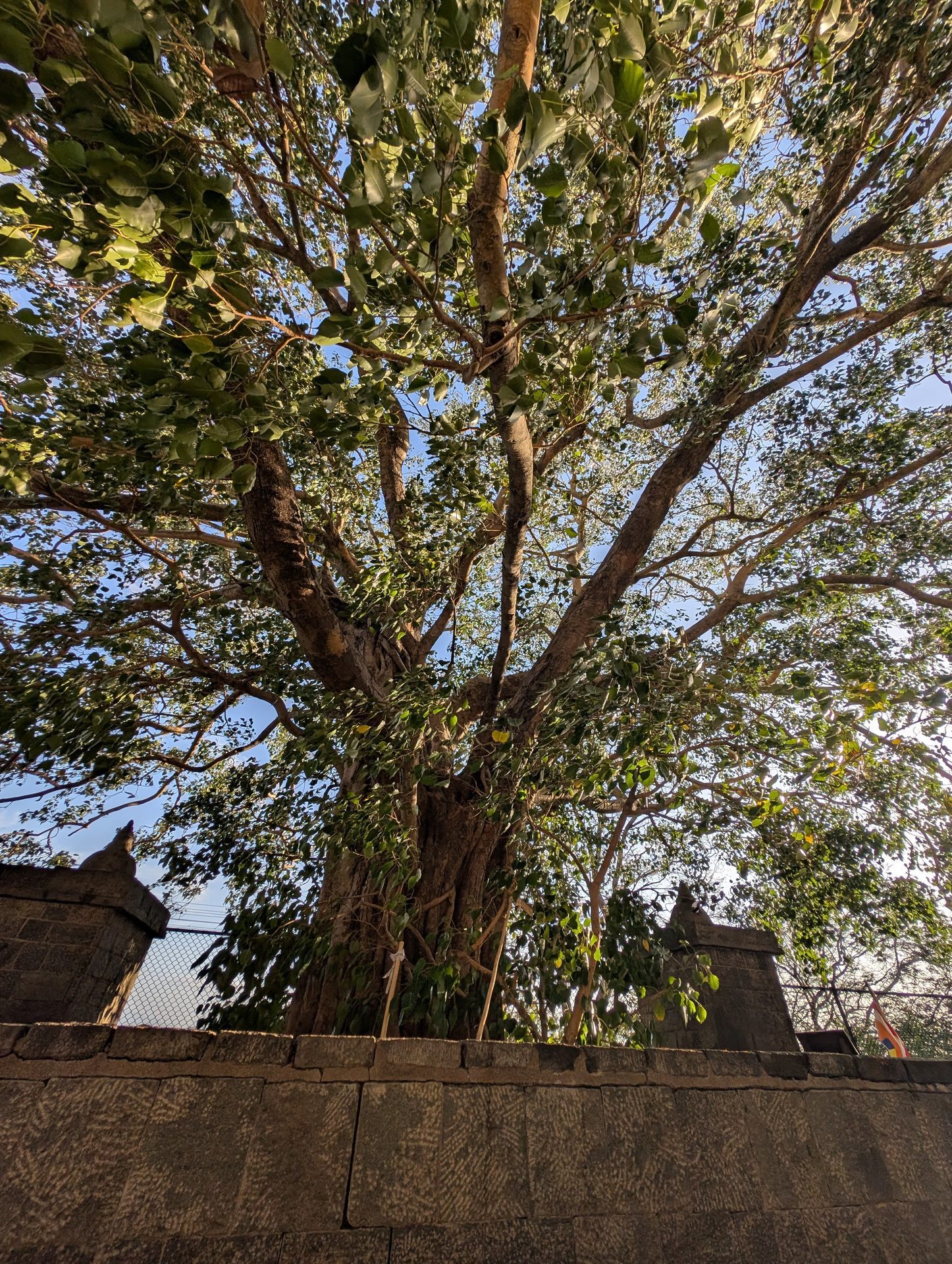
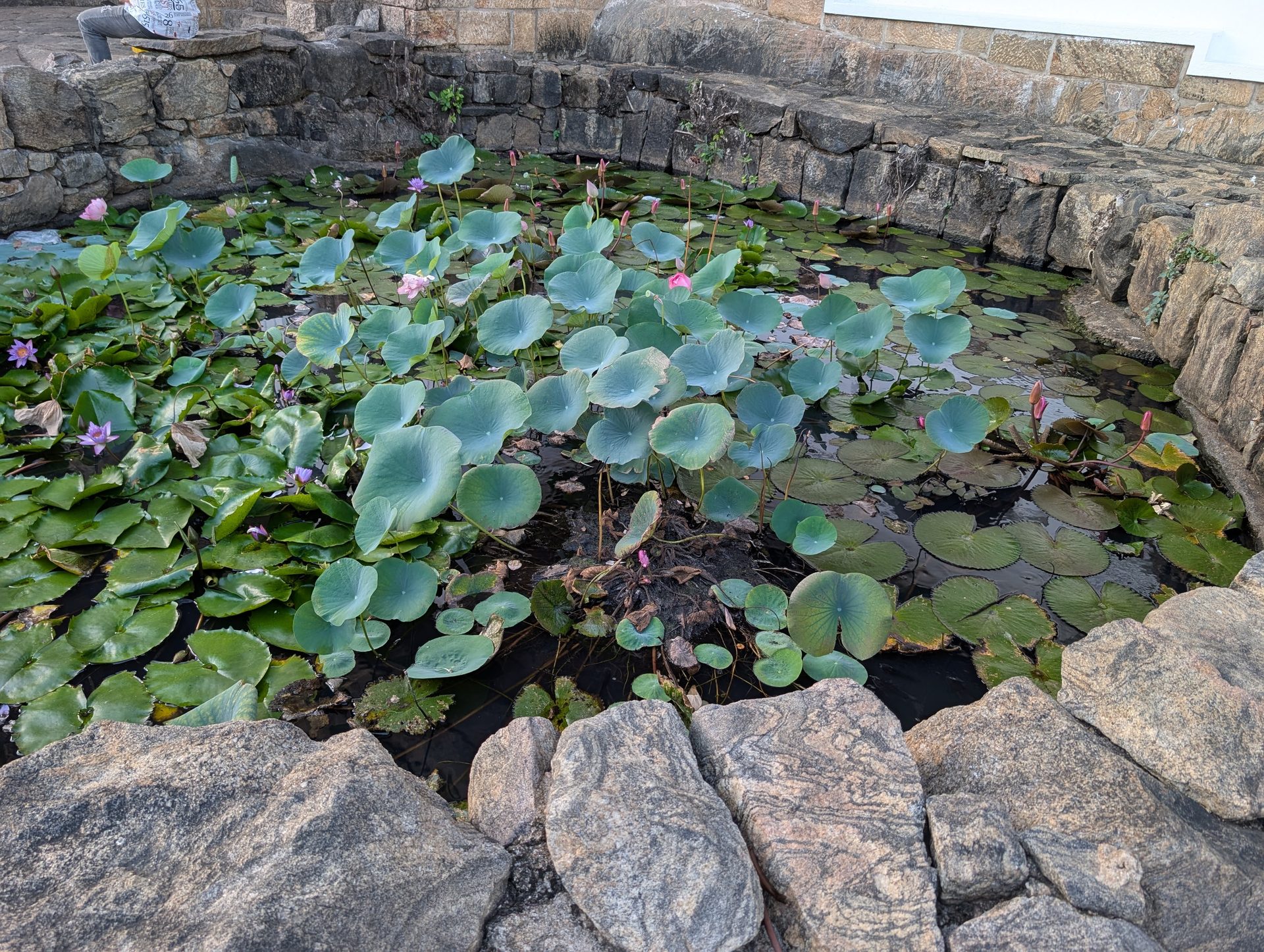
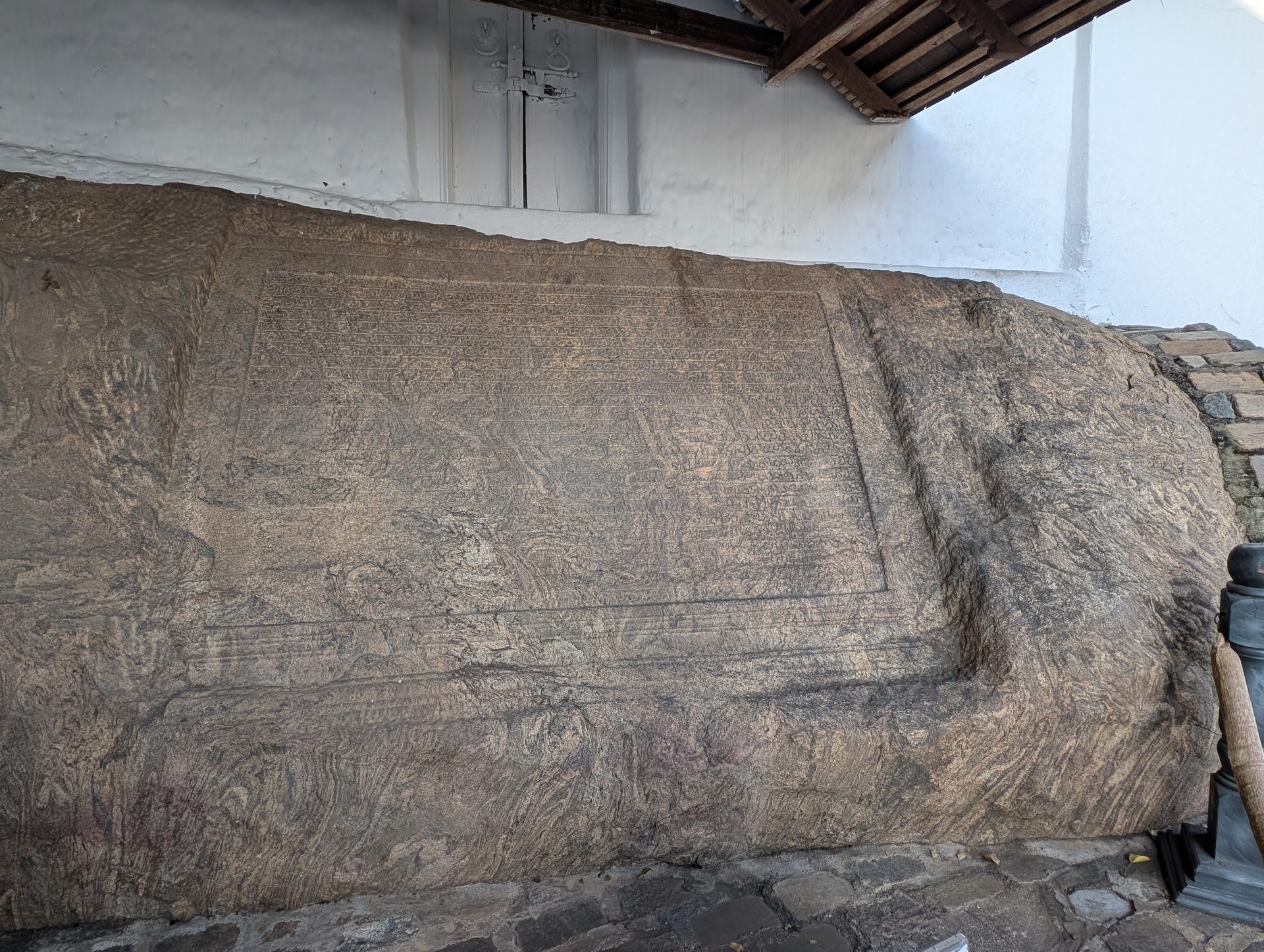
Inside, each cave gets bigger and more detailed. The largest has rows of seated Buddhas lined up under a ceiling painted with hundreds of small Buddha figures. Several caves have reclining Buddhas, the biggest about 14 meters long.
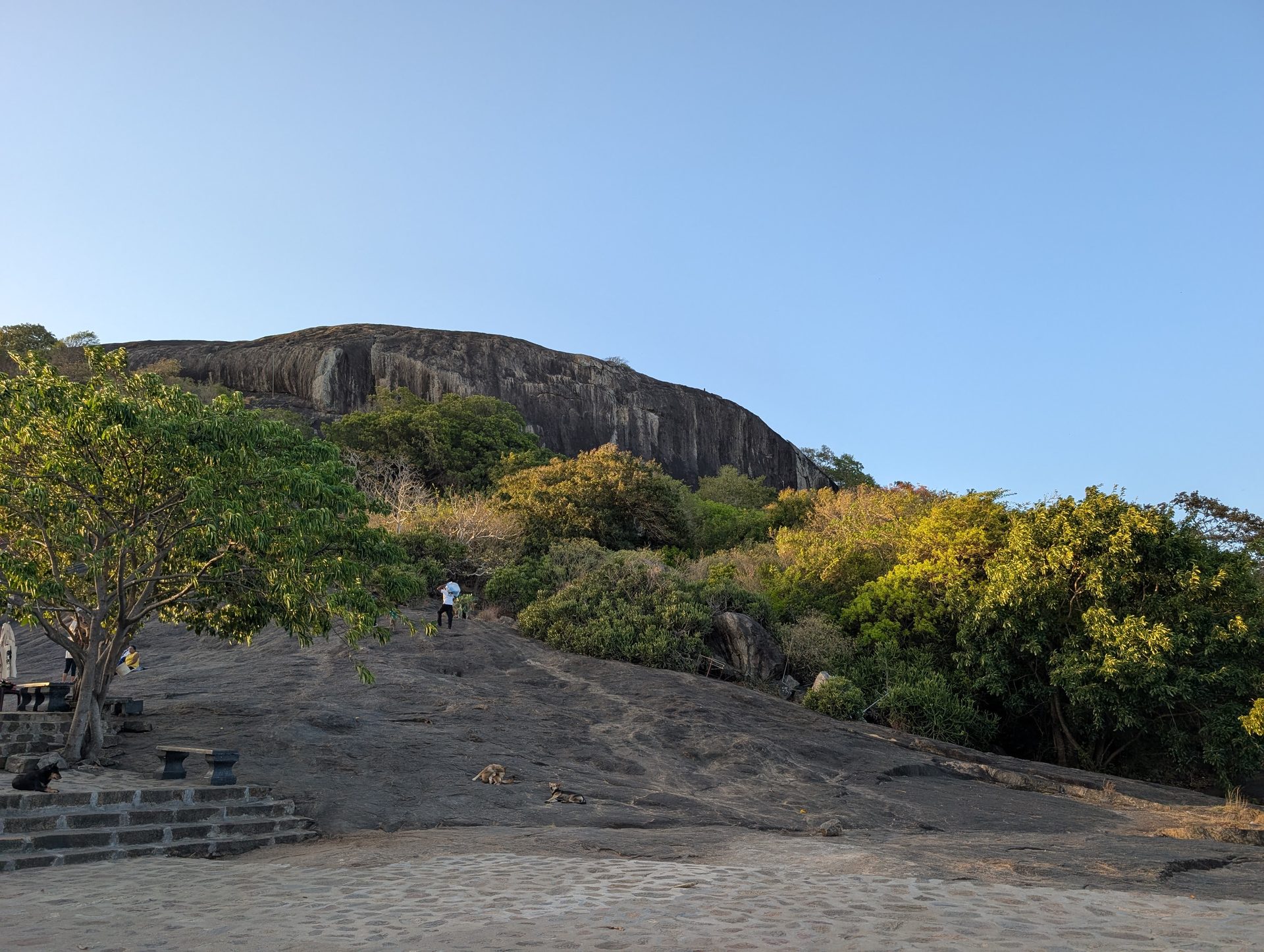
- Go late in the day. We visited around 5 p.m., and it was a good call. The bare rock you walk across gets very hot, and you take your shoes off at the top. The light was beautiful too.
- Tickets: foreigners pay roughly LKR 2,000 to 3,000 in cash, and the price has been going up, so check at the counter. Sri Lankans enter free. Buy your ticket at the office by the car park at the south entrance, opposite the Golden Temple museum. There is no ticket counter at the top.
- The climb: about 370 steps, or 20 to 30 minutes at an easy pace.
- Dress: cover shoulders and knees. Shoes come off at the shoe stand near the caves for a small fee, and hats come off inside.
- No photos with your back to the Buddha. Posing with your back to a statue is considered disrespectful.
Where We Stayed in Dambulla: Jetwing Lake
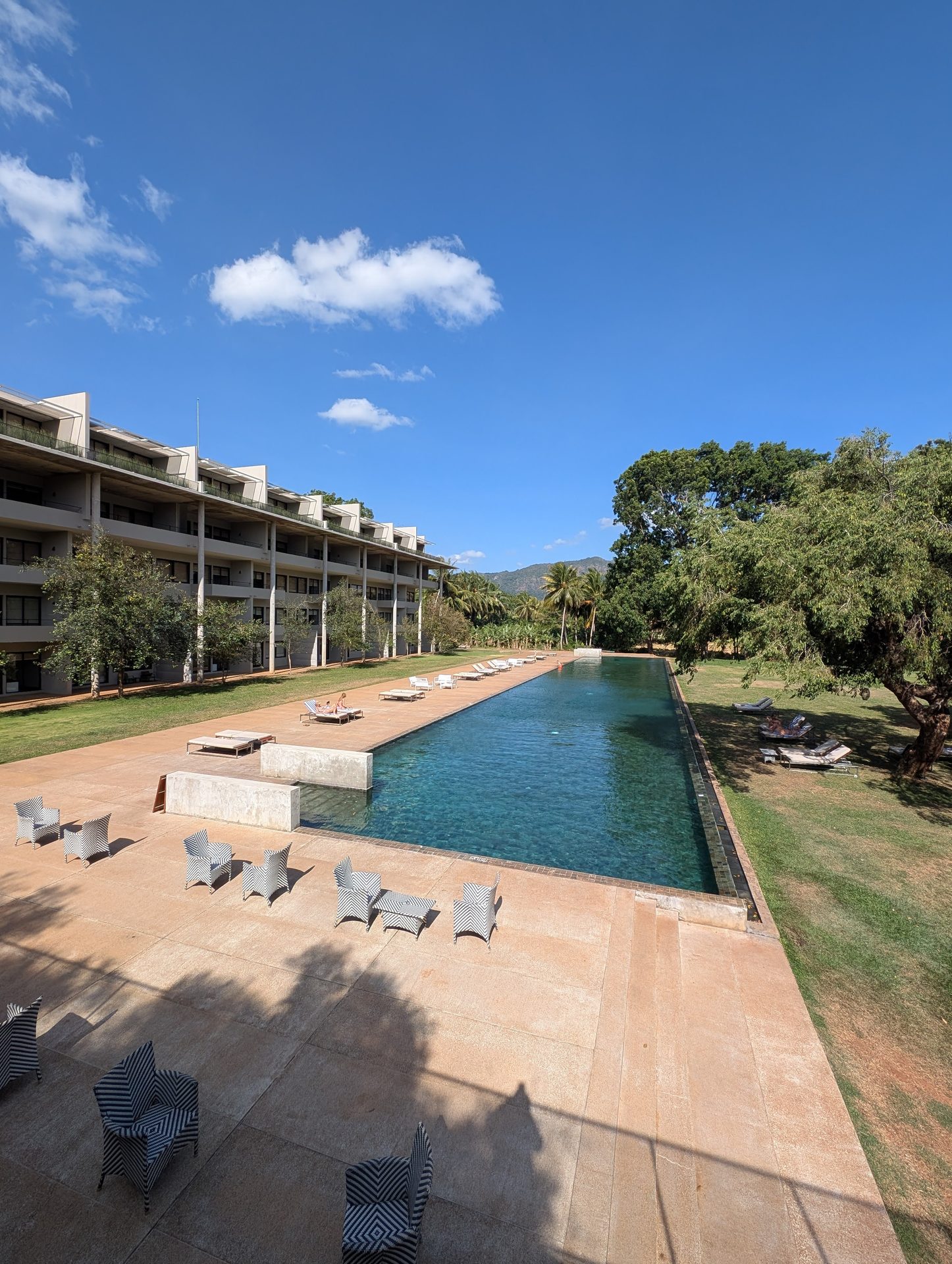
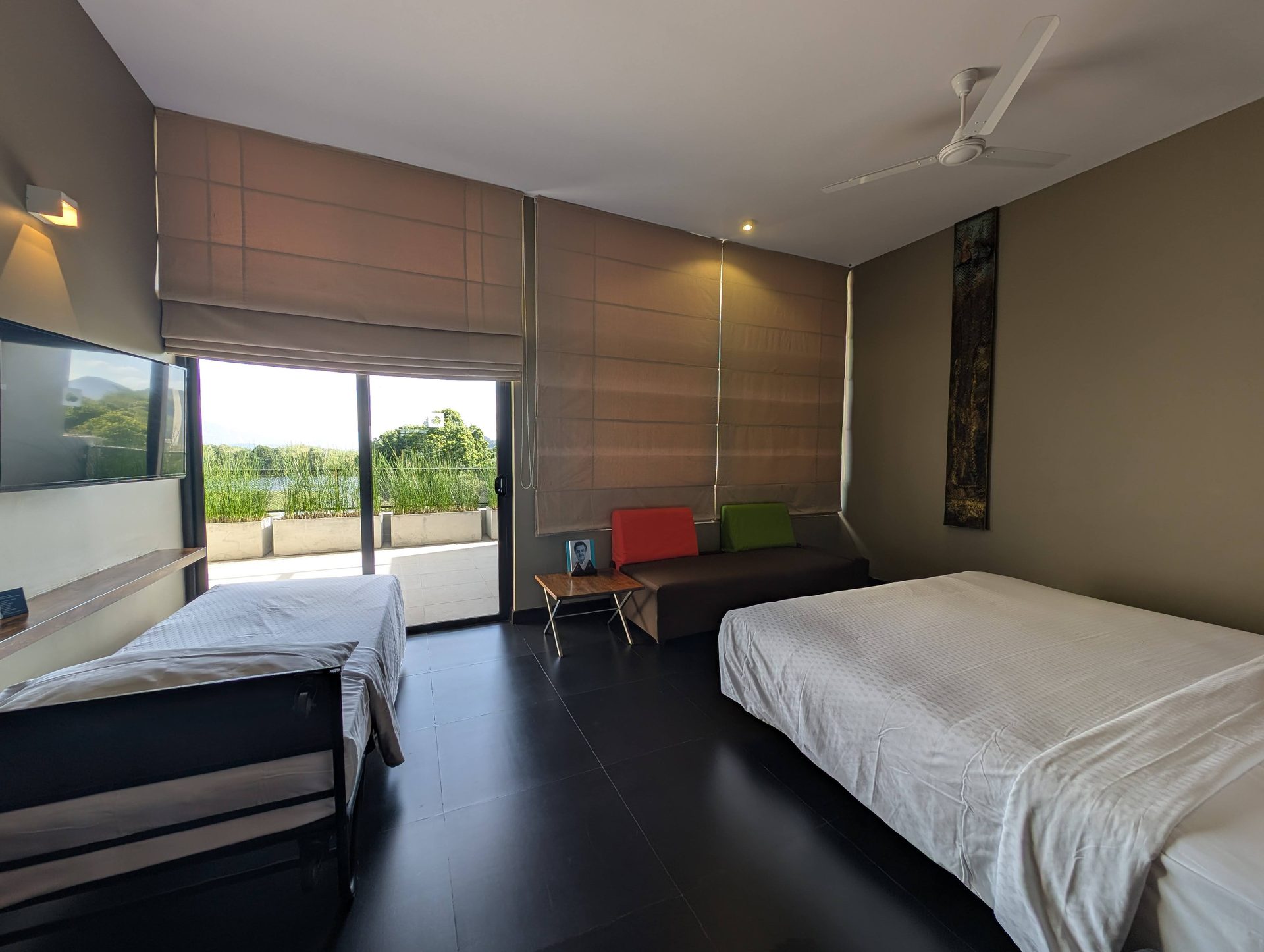
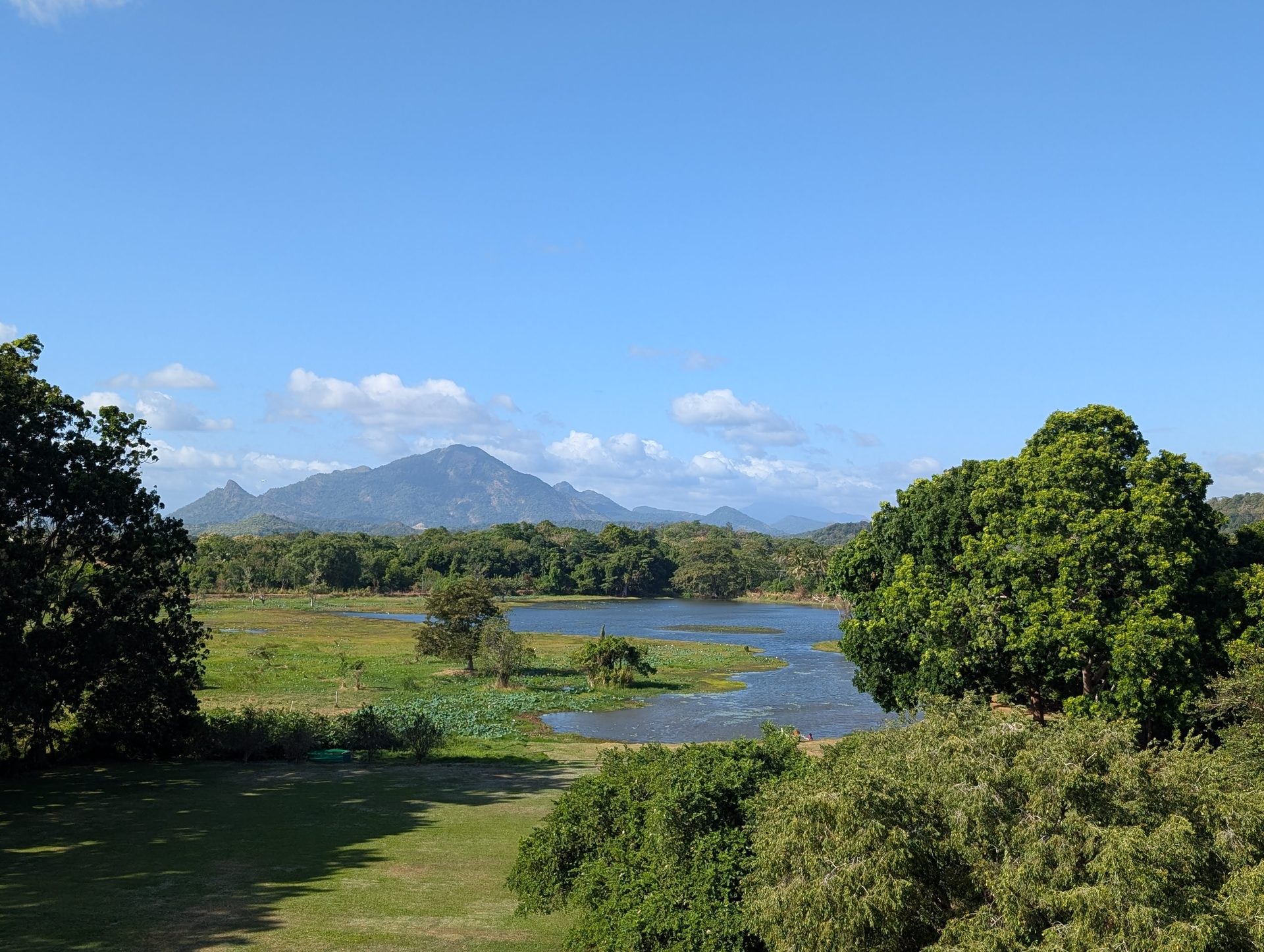
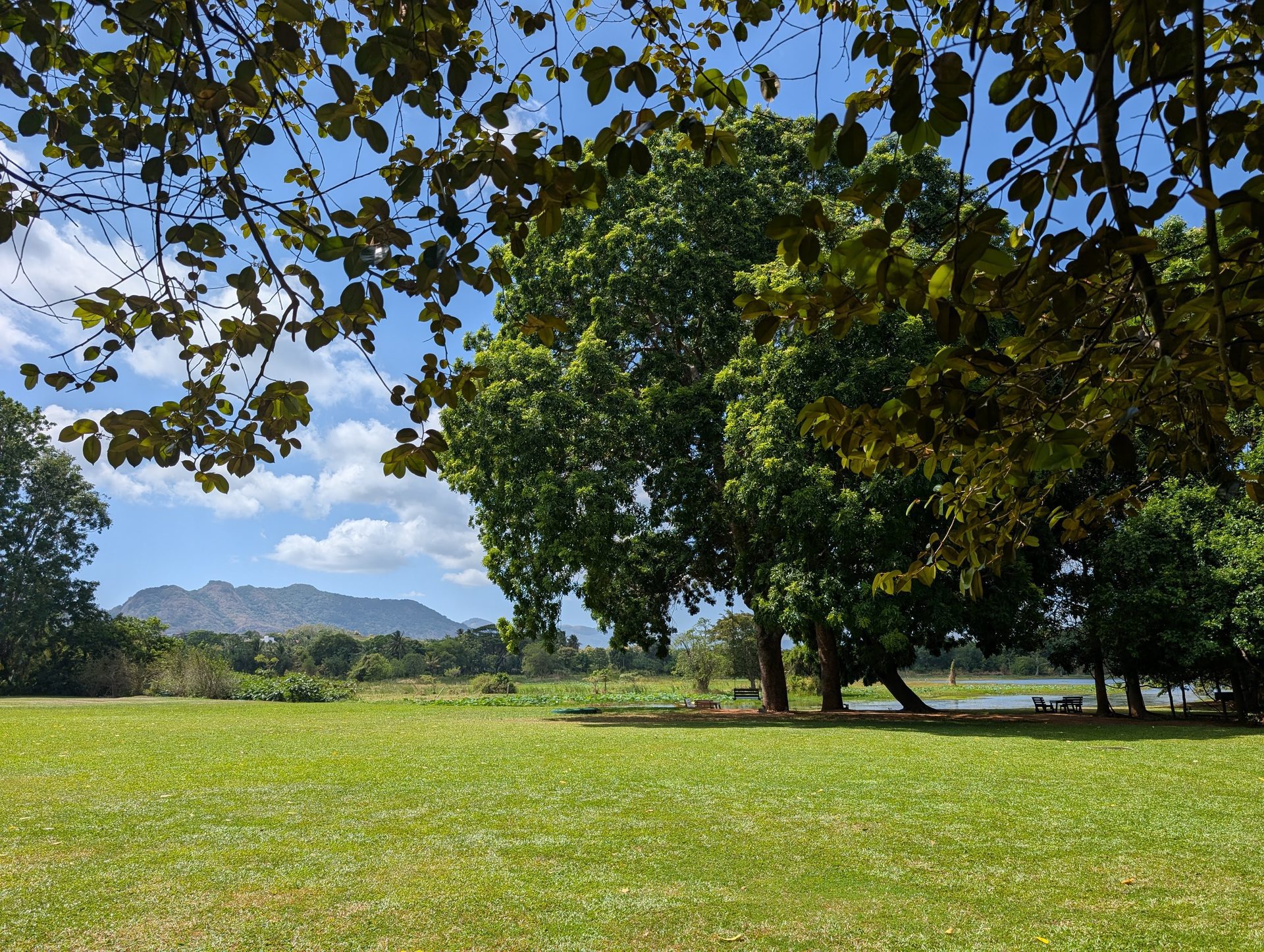
Jetwing Lake is about five minutes' drive from the cave temple, and it was a really good hotel. The building is modern and open, with a 71 meter infinity pool running alongside a lawn that leads to the lake. Our room was amazing, with a huge bathroom and a big terrace looking across the lake to the mountains.
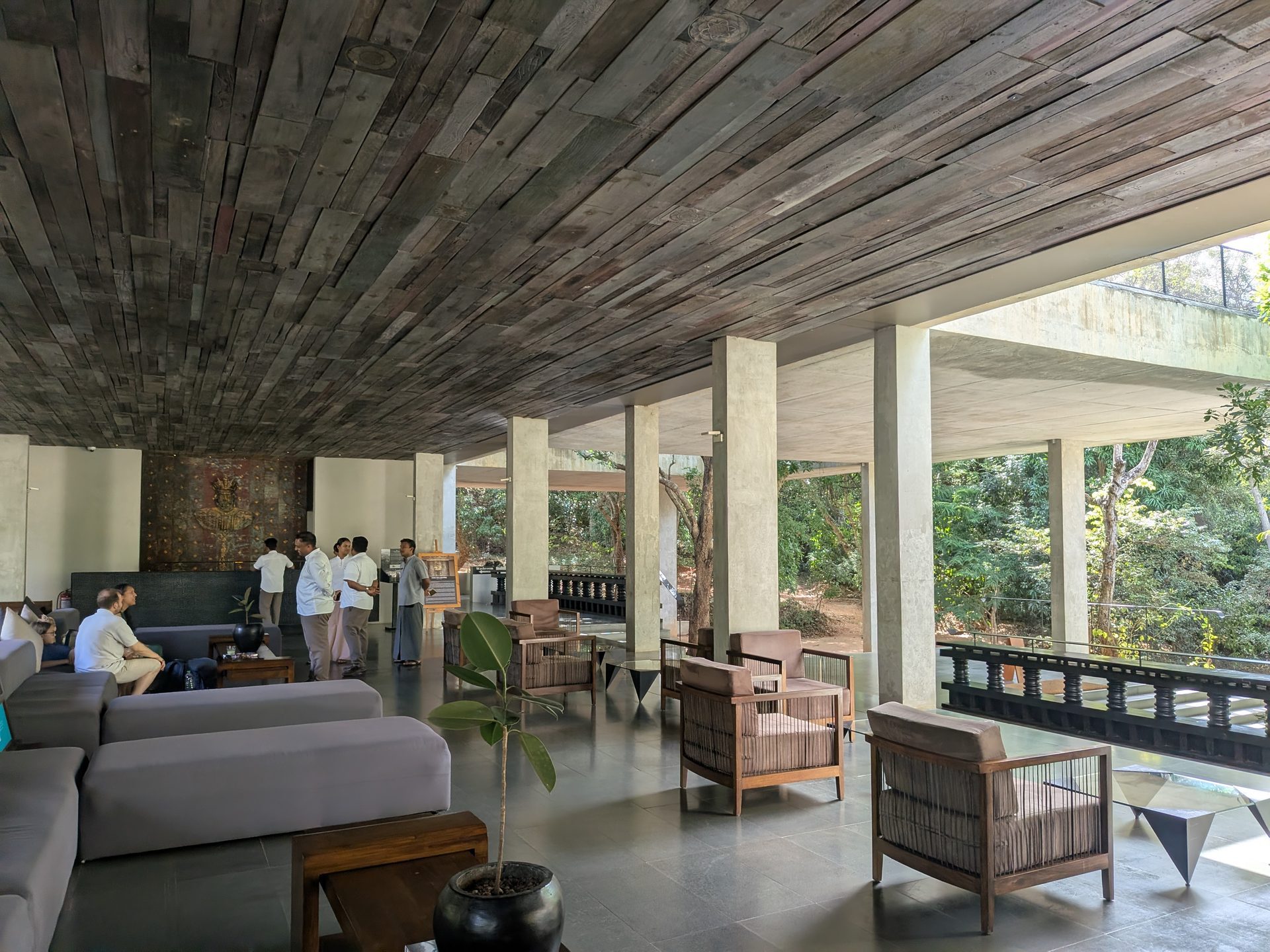
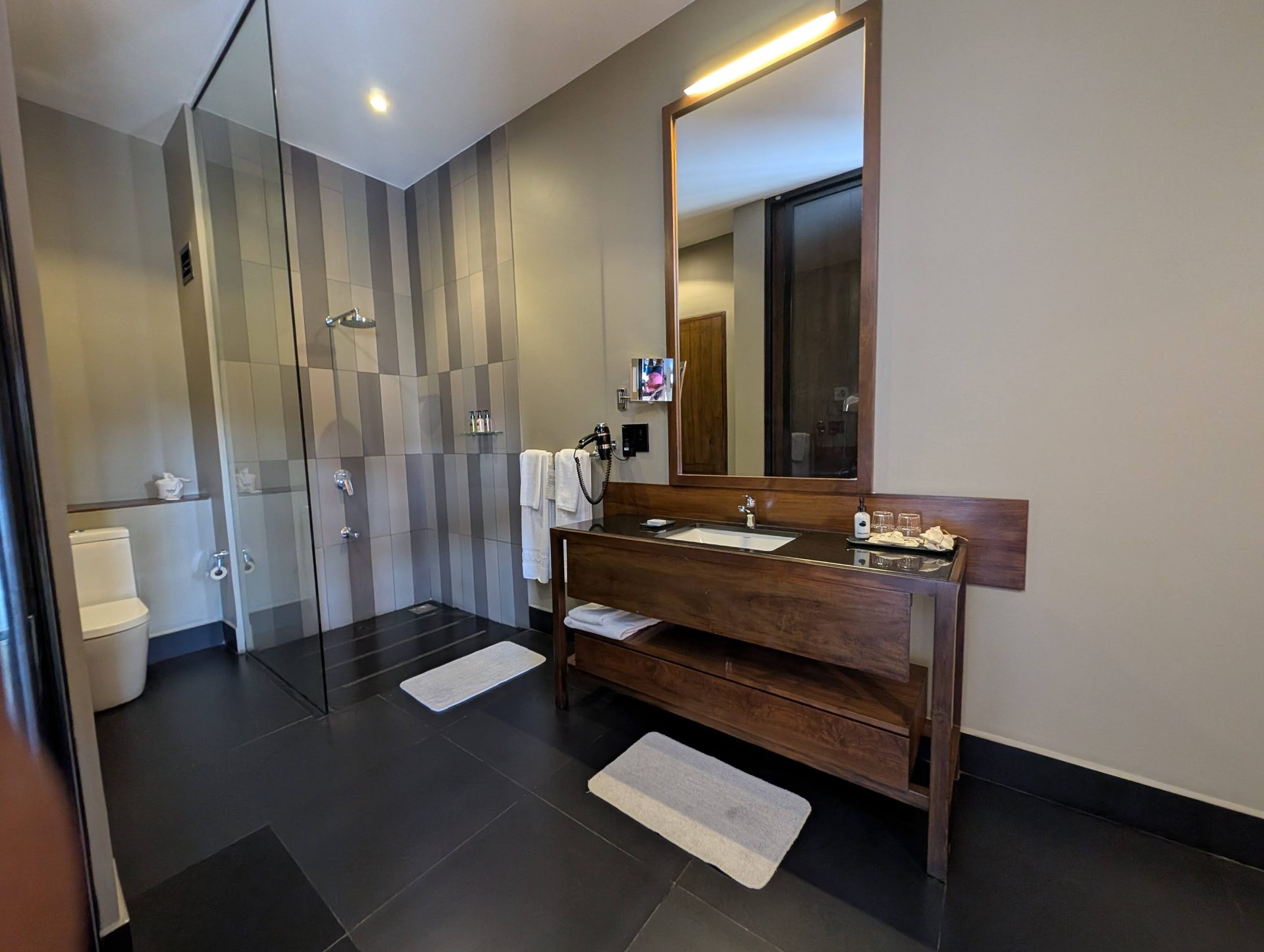
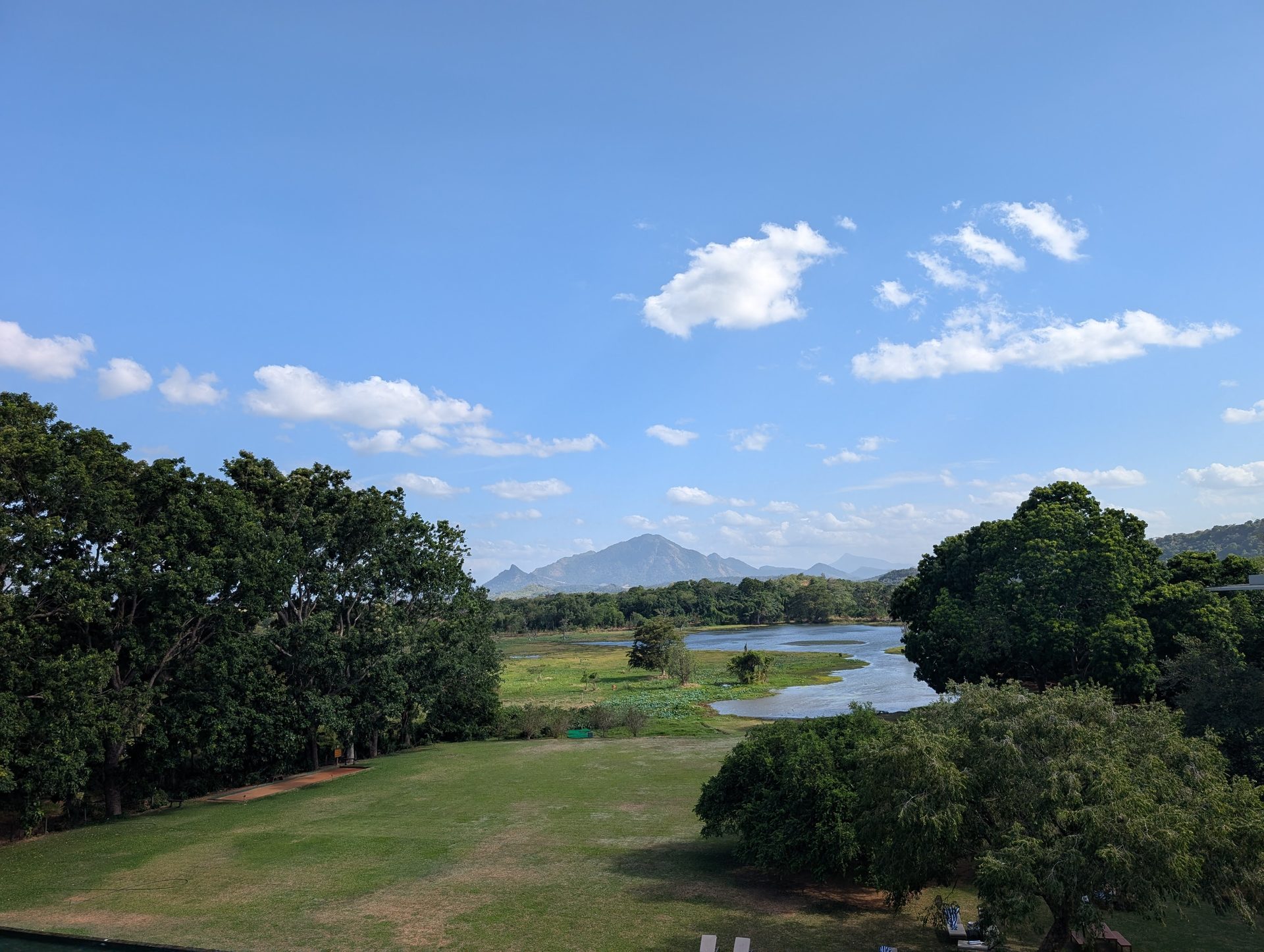
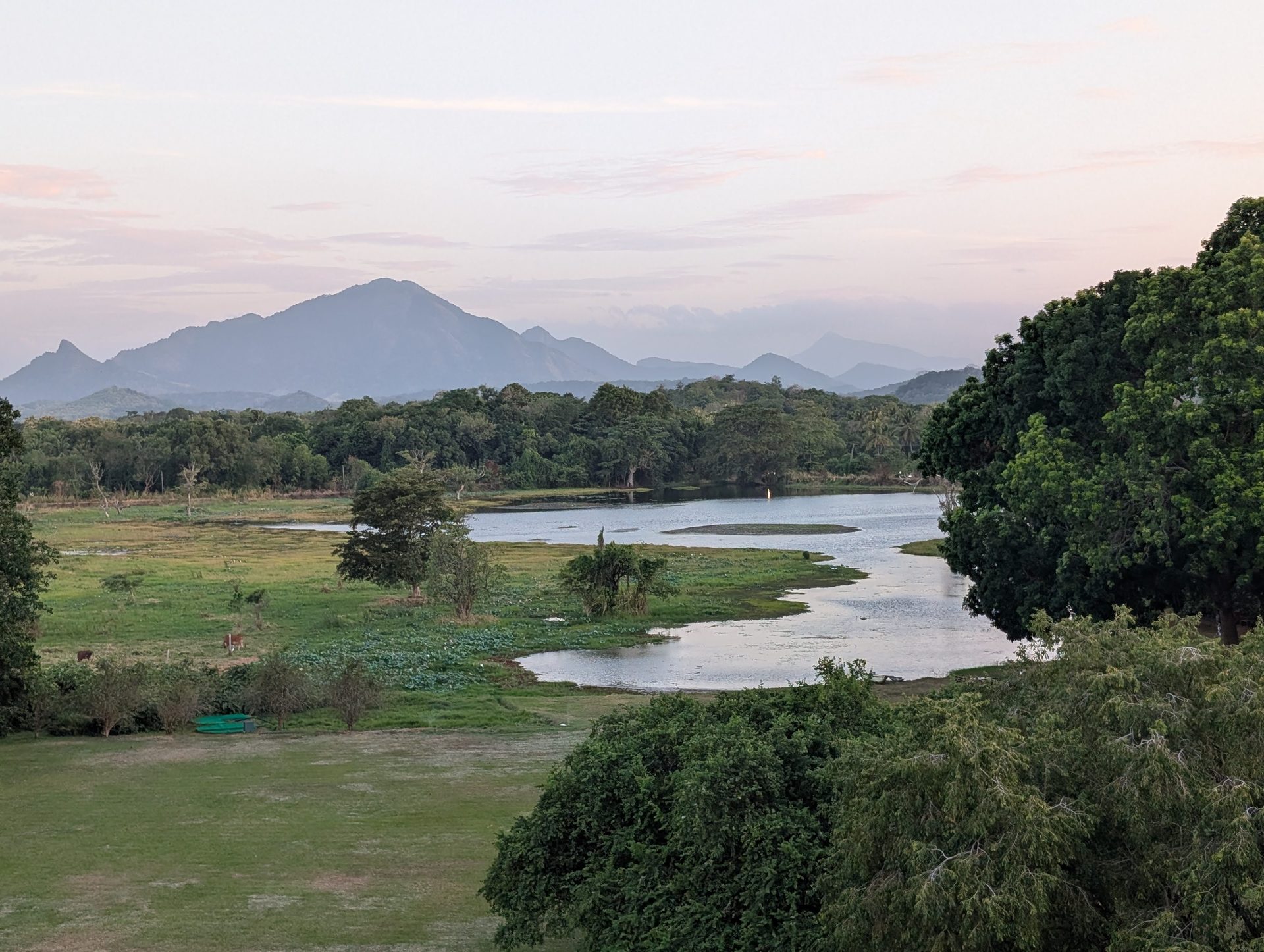
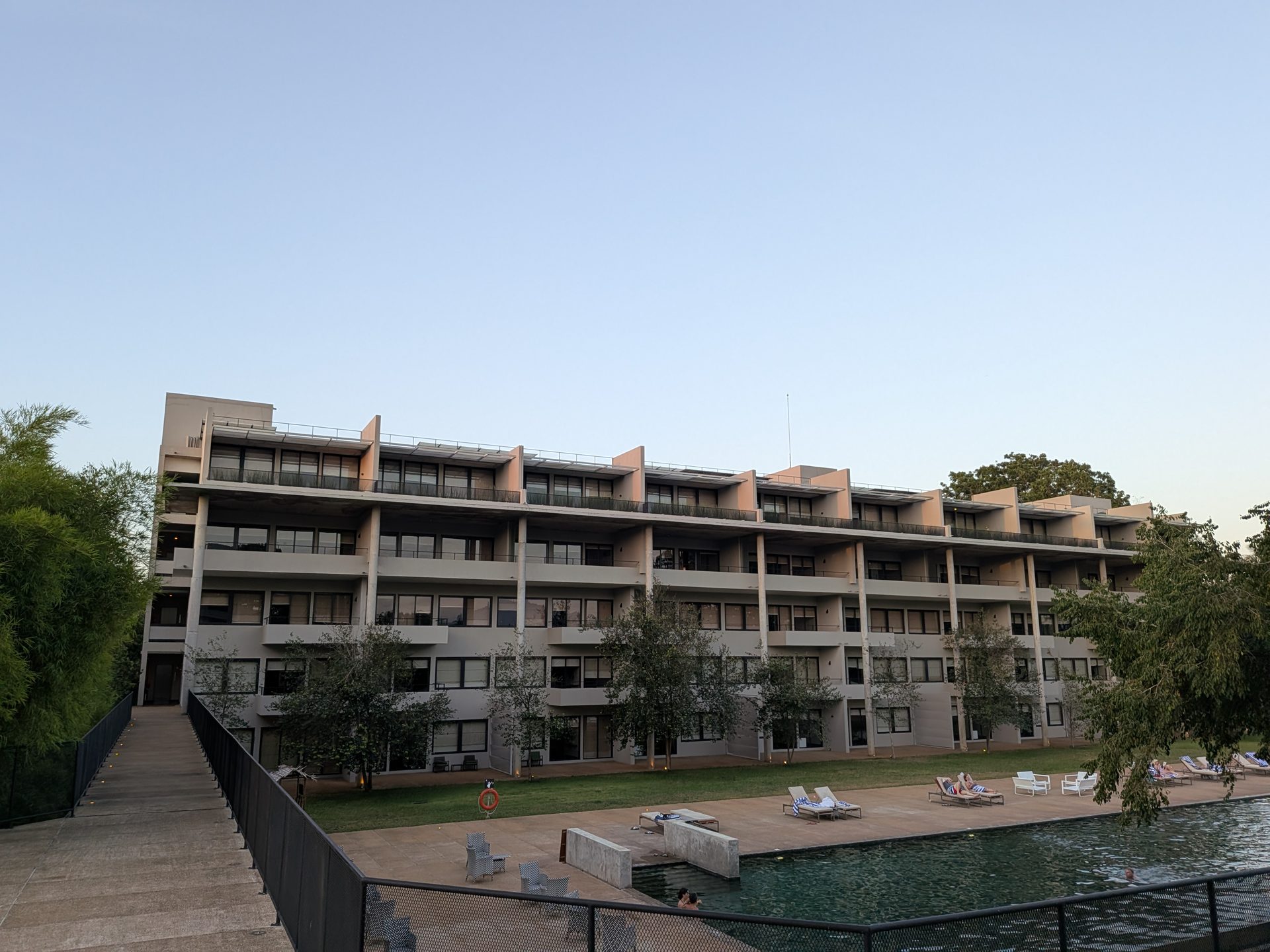
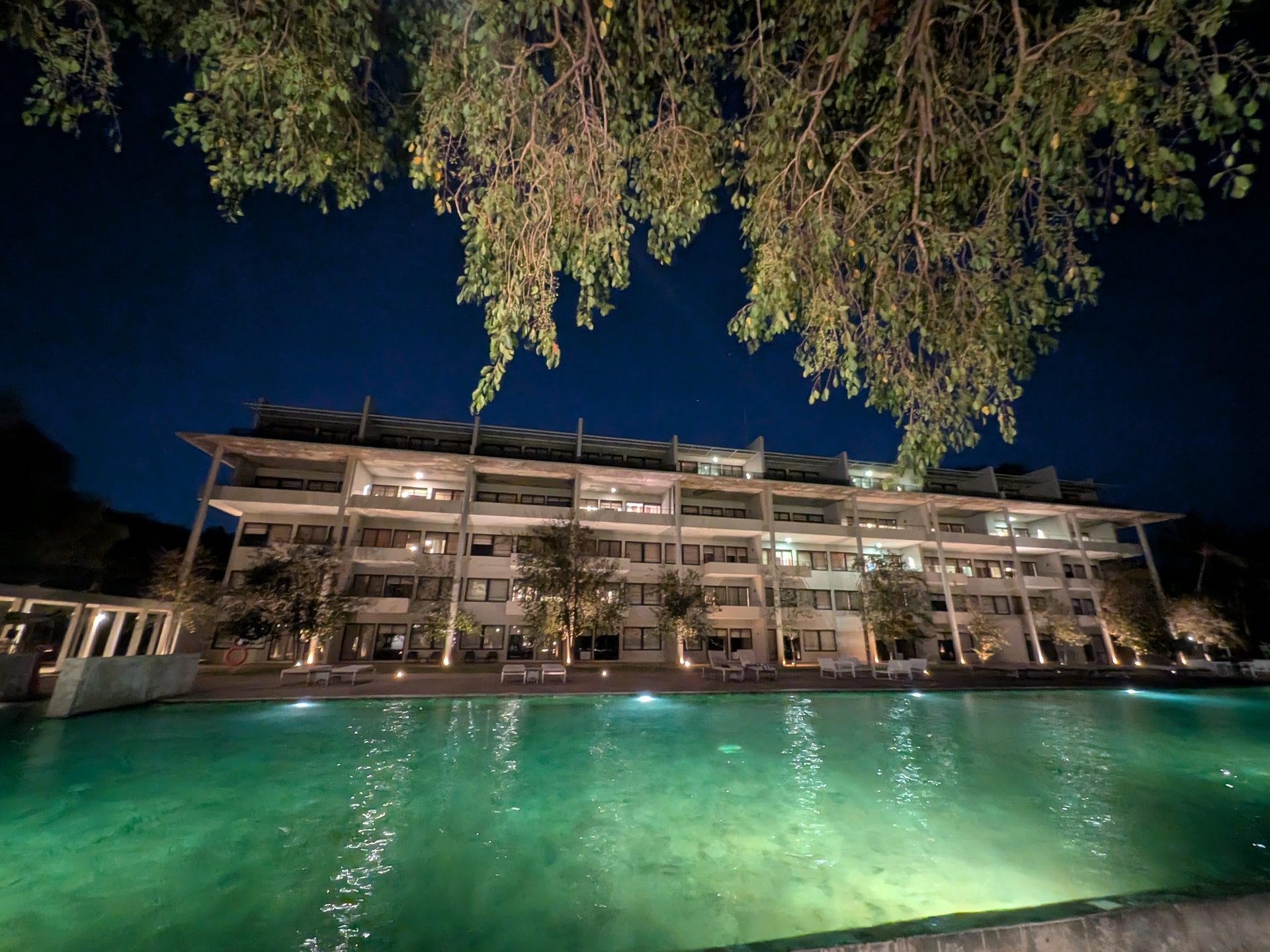
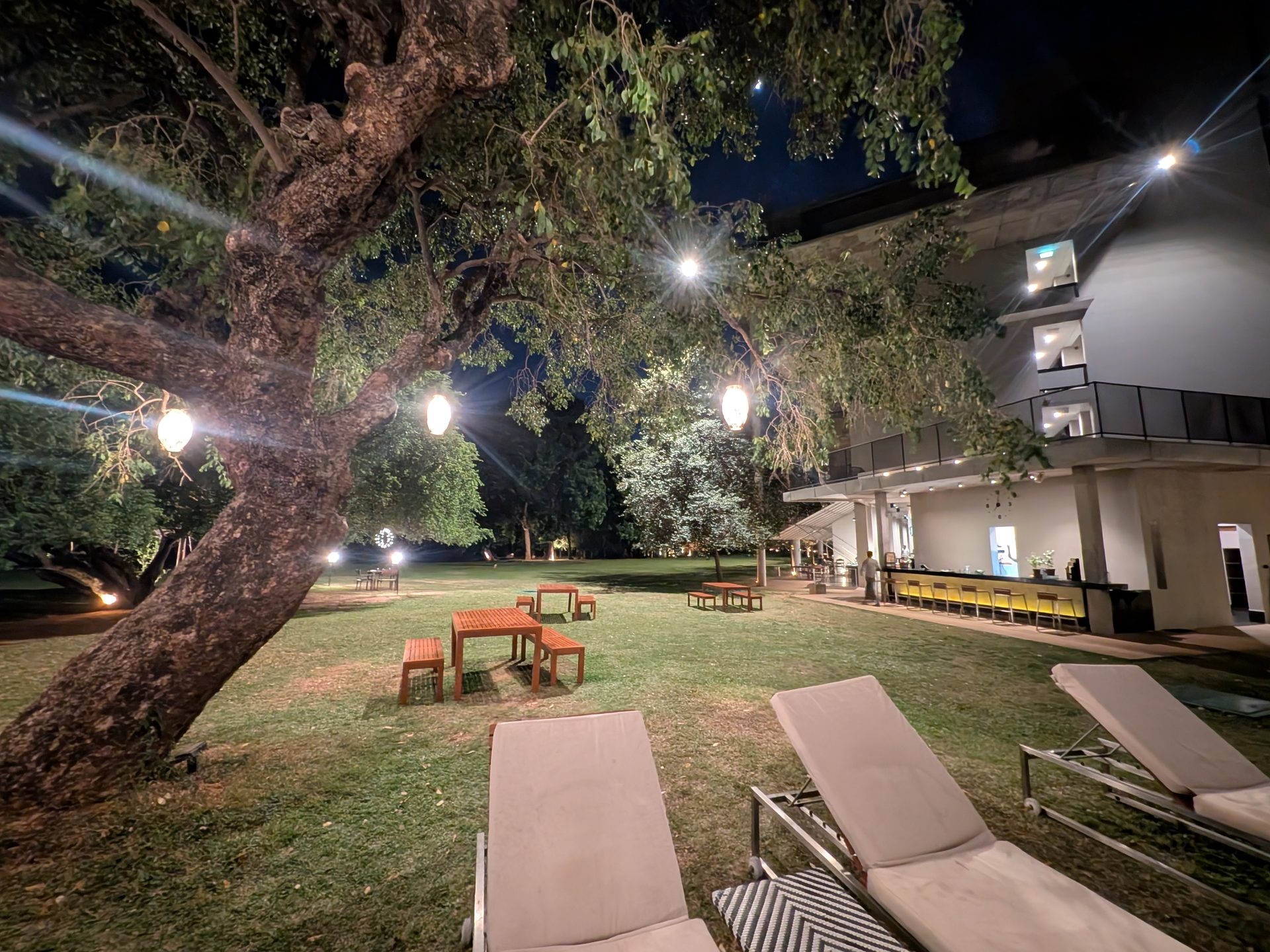
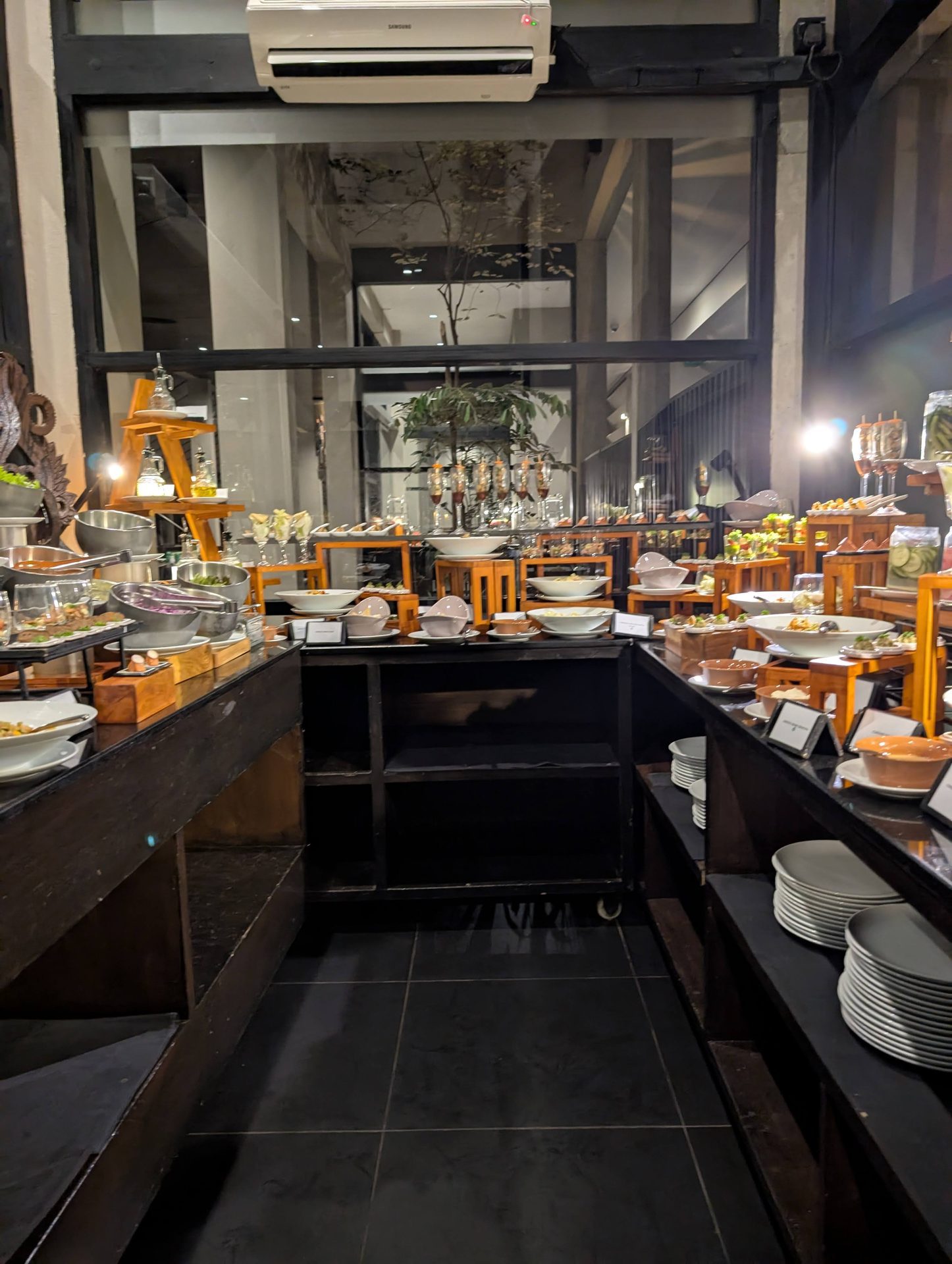
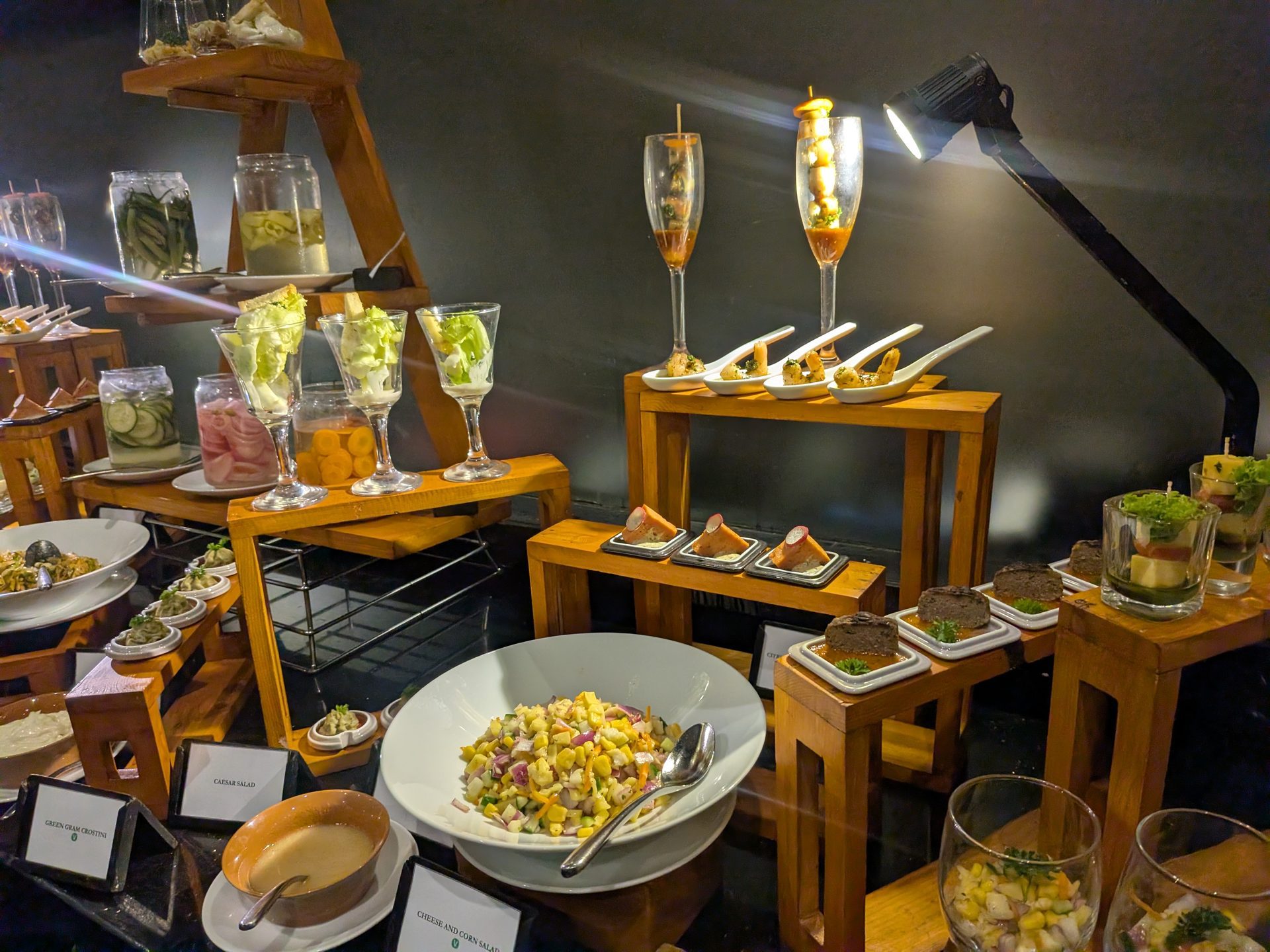
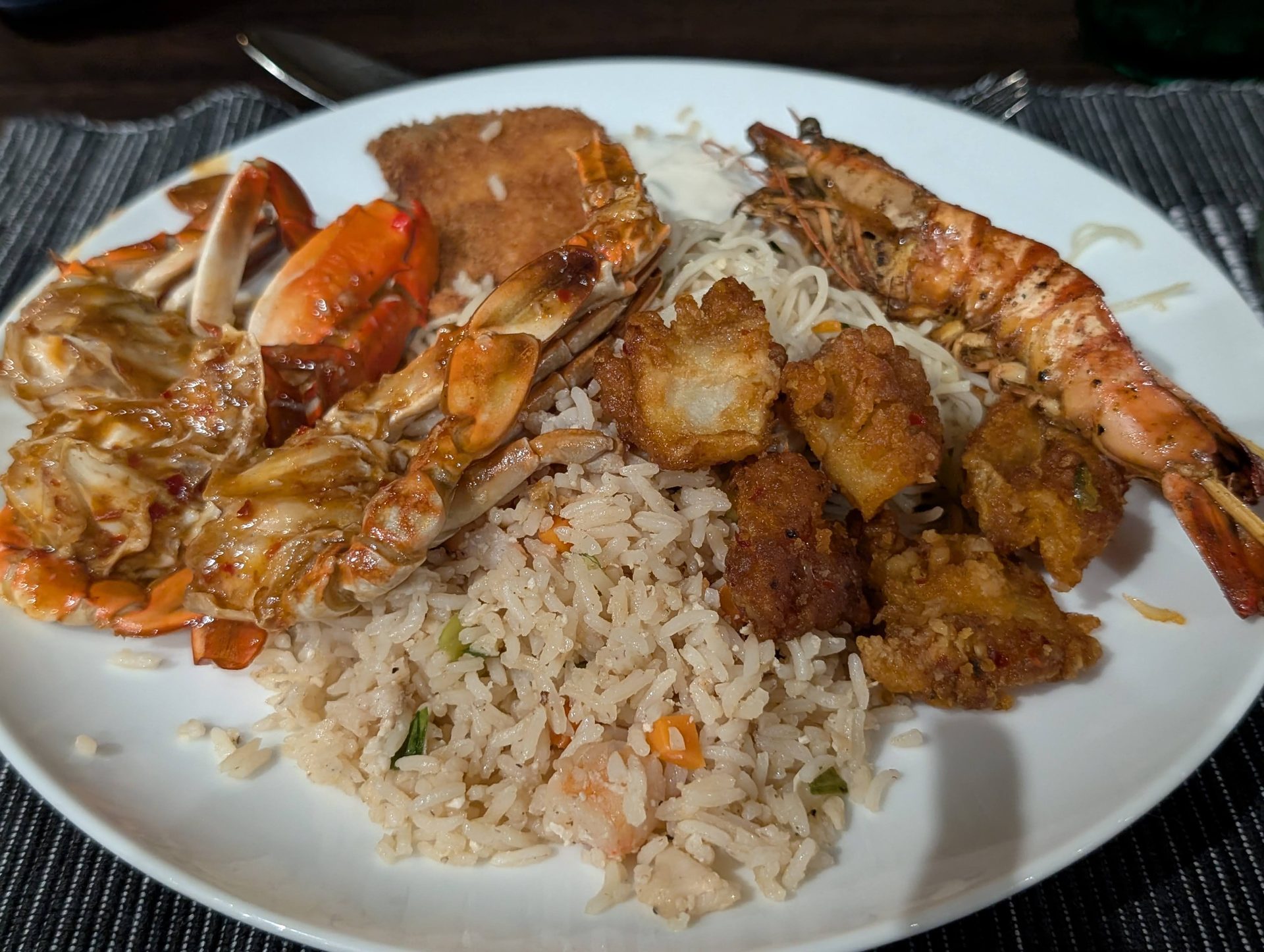
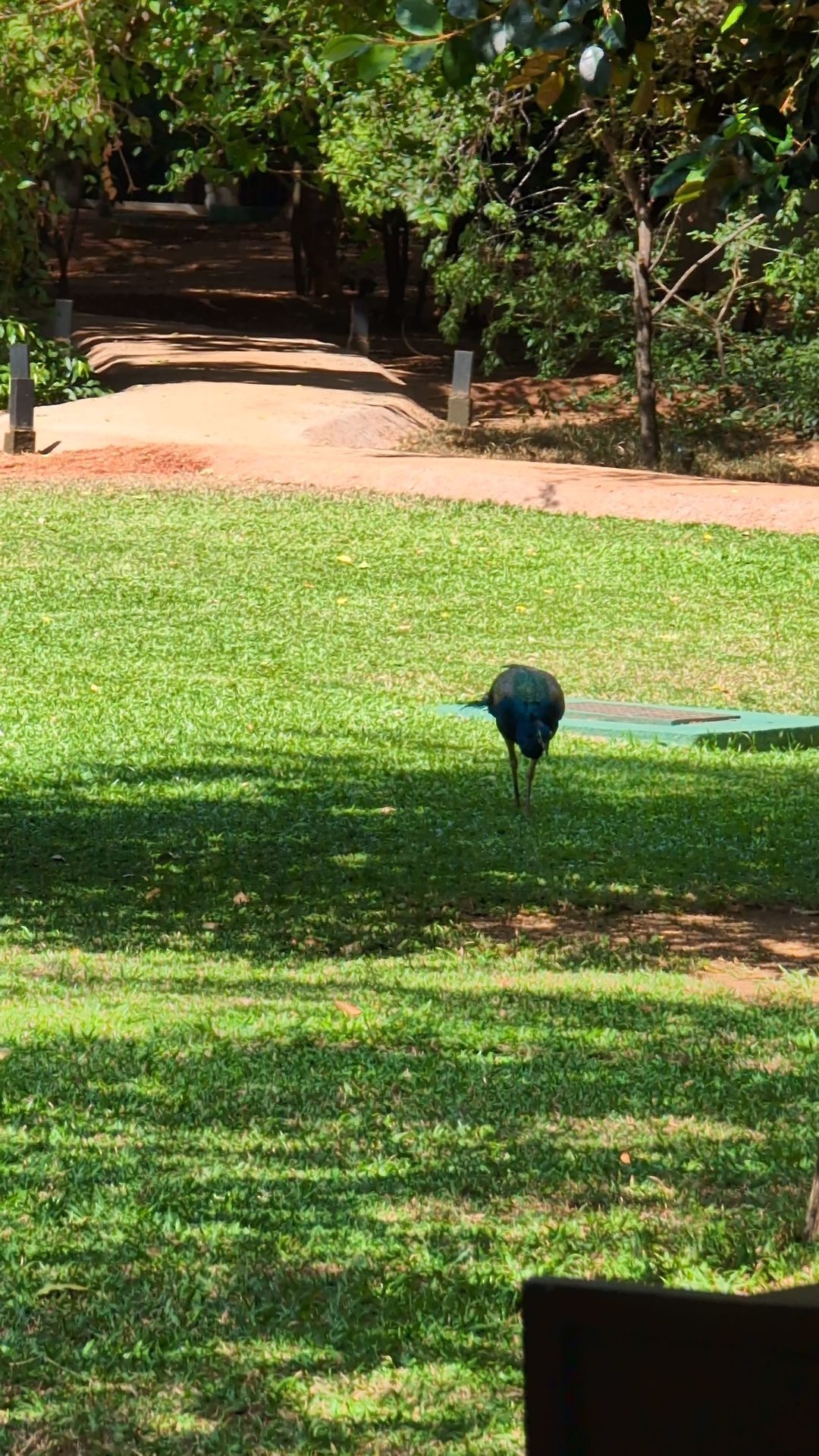
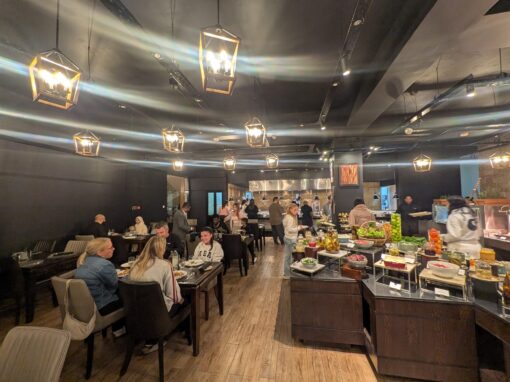
We booked half board, and dinner was a large buffet with Sri Lankan and international dishes. The food was really good, and so was the allergy handling. The next morning we found peacocks wandering across the lawn at breakfast.
- What we paid: about $250 to $275 for one night in a Super Deluxe room, half board.
- Best for: families who want a resort-style base for Dambulla, Sigiriya and the elephant safaris. Sigiriya is about 40 minutes away.
- Our one regret: one night was not enough. There is a lot to do at the hotel, and with two nights you could fit in a Minneriya safari too.
Day 5: Back to Colombo (and Why We Skipped Kandy)
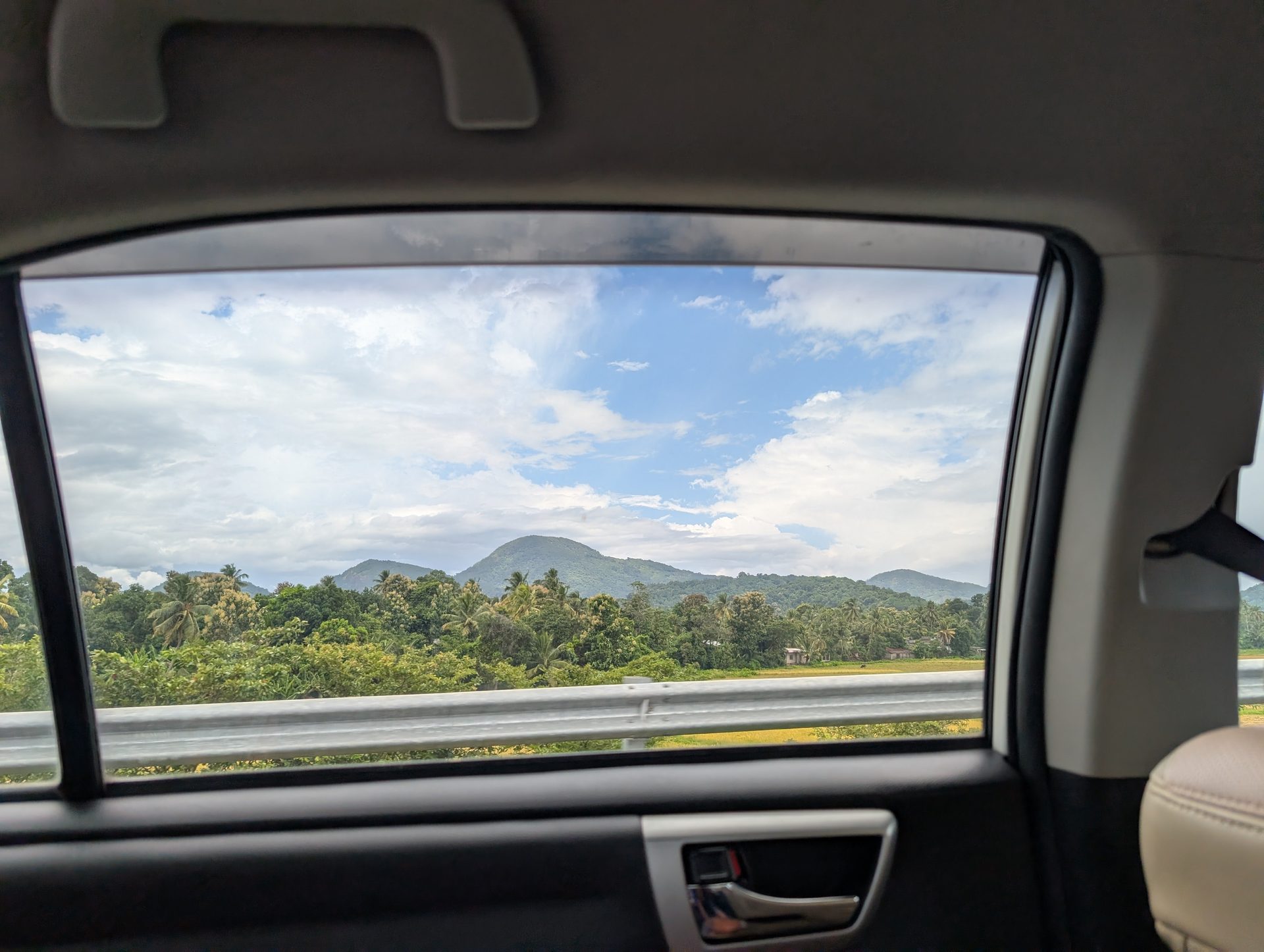
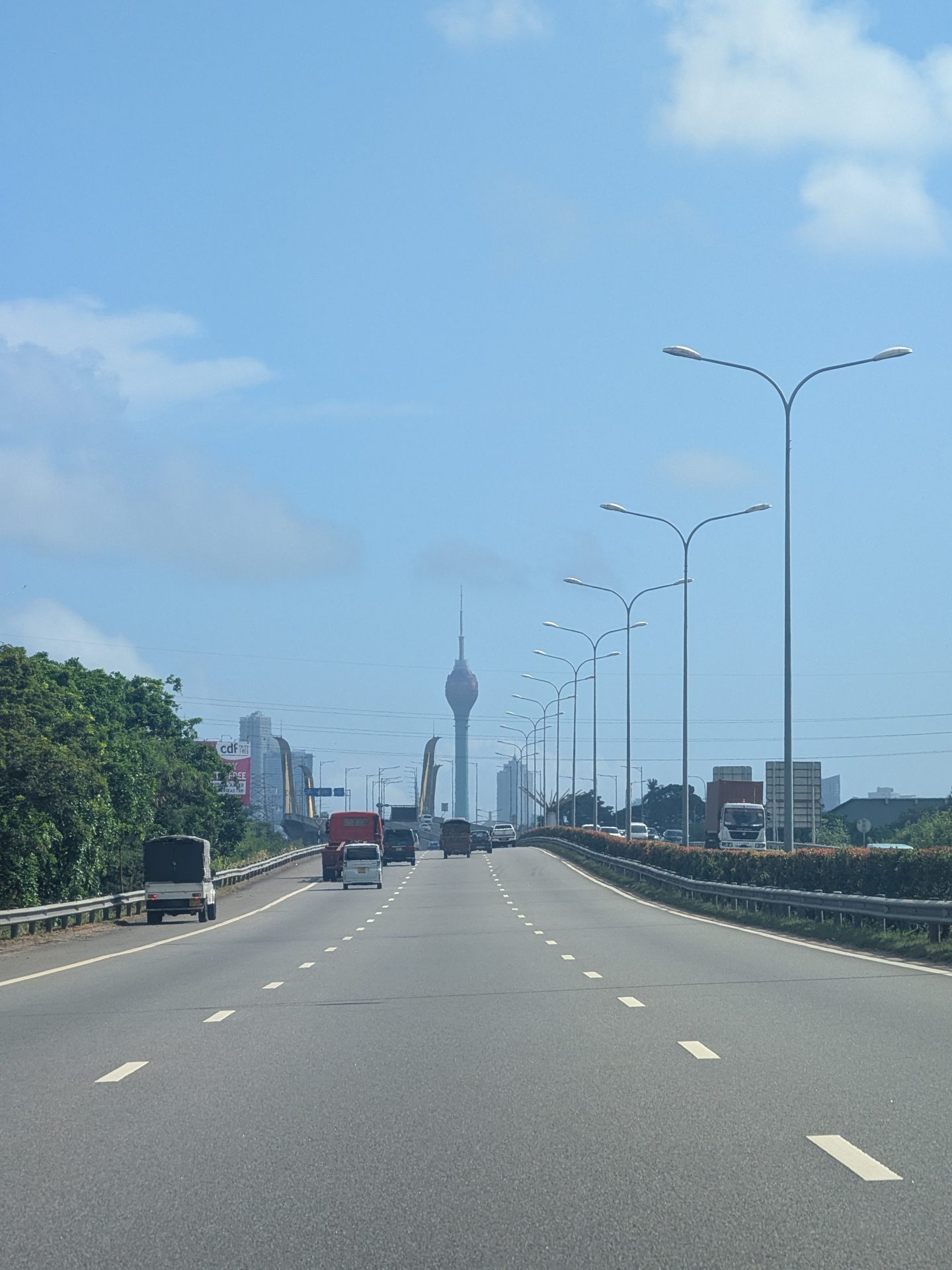
Our original plan was a quick stop in Kandy on the way back to Colombo. We skipped it, partly for time and partly because our return lined up with the Kandy Esala Perahera, the city's biggest festival. It runs for about ten days, usually in July or August, with road closures and heavy traffic. Instead we drove straight back to Colombo, partly on the Central Expressway, which was quick and easy.
If you want to see Kandy, give it its own night. If you want to see the perahera, book a hotel and a seat along the route well ahead, and do not plan on just passing through.
Handling Food Allergies in the Cultural Triangle
Our son avoids fish, peanuts and tree nuts. He can have sesame, but we avoided it on this trip to be safe. He also is not a fan of traditional Sri Lankan food.
- Hotel meal plans made this leg easy. Both Sigiriya Jungles (full board) and Jetwing Lake (half board) handled his allergies well. Tell the restaurant at check-in and remind them at every meal.
- Ask about every buffet dish. Fish and dried Maldive fish show up in many curries and sambols, and cashews are common in rice dishes and desserts.
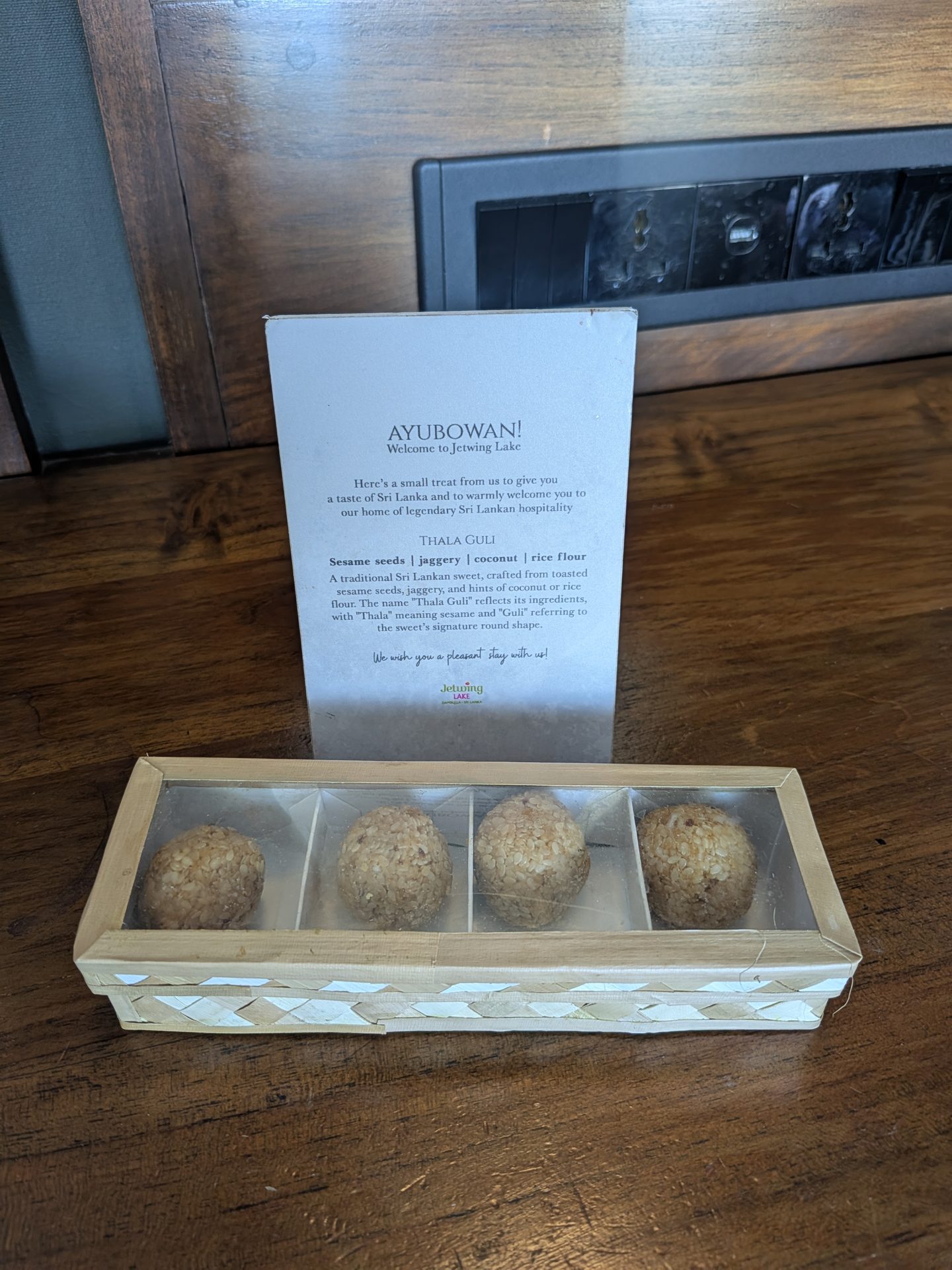
- Check the welcome treats. At Jetwing Lake, the welcome sweets in our room came with a card listing the ingredients, which included sesame.
- Tourist restaurants are hit or miss. At the Pinnawala buffet, our son did not eat. Pack safe snacks for long driving days, since roadside options are limited.
- Hydrate. Sigiriya and Polonnaruwa are hot and exposed. Bring plenty of water, and keep it away from the monkeys.
For our translated allergy card, the hotel chefs who went through every dish with us and the one reaction we had, see our guide to Sri Lanka with food allergies.
What We Would Do Differently
- Start Sigiriya at opening time. We would avoid the worst of the heat and the crowds on the stairs.
- Spend two nights in Dambulla. Jetwing Lake deserved more time, and it is a good base for a Minneriya or Kaudulla safari.
- Do Pidurangala the next morning if you have the energy. Splitting the two rocks across two days is much easier than doing both in one.
- Plan around the Kandy perahera. Either build in a night for it or avoid Kandy on those dates.
Sri Lanka Cultural Triangle FAQ
How many days do you need for the Sri Lanka Cultural Triangle?
Three to four days covers Sigiriya, Polonnaruwa and Dambulla at a comfortable pace. Add a day for Pidurangala or an elephant safari, and another if you want to include Kandy or Anuradhapura.
Is Sigiriya Rock hard to climb for kids?
It was fine for our 10-year-old. The climb is about 1,200 steps with some steep metal staircases. Go early, take breaks and bring water. Kids who are scared of heights may find a few exposed sections tough.
How much does it cost to climb Sigiriya?
As of October 2026, the Central Cultural Fund lists USD 35 for foreign adults and USD 20 for children aged 6 to 12. Children under 6 are free, and Sri Lankans pay a small rupee fee.
Do you need a guide for Sigiriya and Polonnaruwa?
No. Both sites have signs and plaques, and we did not hire a guide at either. A guide is worth it at Polonnaruwa if you want the full history.
Is Pinnawala Elephant Orphanage ethical?
It is debated. We did not see mistreatment, but welfare groups criticize the chaining, captive breeding and use of bullhooks. If that matters to you, a safari to see wild elephants at Minneriya or Udawalawe is the better choice.
Where should you stay in the Cultural Triangle?
Sigiriya and Dambulla are the best bases. We liked Sigiriya Jungles for its chalets and full board meals, and Jetwing Lake in Dambulla for its pool, lake views and food.
Final Thoughts
The Cultural Triangle packs some of Sri Lanka's most impressive sights into a small area: the herd at Pinnawala, the climb up Sigiriya, the ruins of Polonnaruwa and the painted caves of Dambulla. Sigiriya was the highlight of our whole trip, and the hotels made the logistics, including the food allergies, easy.
If you are planning your own trip, book your driver and hotels early, start each big site as early in the morning as you can, and give Dambulla an extra night if your schedule allows.
Our other road trip covered the south coast, Ella and Nuwara Eliya. Read about it in our south coast and hill country road trip, and see how both trips fit into almost four weeks in our Sri Lanka itinerary.
0 Comments